THE ADVENTURE COLLECTIVE® · Independent discovery and booking for outdoor travel

Board a traditional dhow to watch dolphins and snorkel clear coral gardens around Kisite Marine Park, then walk Wasini’s village lanes and sample fresh seafood. This full-day trip blends marine wildlife viewing with local culture and practical tips for a safe reef visit.
Board a traditional dhow to watch dolphins and snorkel clear coral gardens around Kisite Marine Park, then walk Wasini’s village lanes and sample fresh seafood. This full-day trip blends marine wildlife viewing with local culture and practical tips for a safe reef visit.
Dawn finds the dhow slipping out past the reef line, sails catching wind while the sea flattens into a glass ribbon that dares you to keep up. Dolphins arc ahead in shaded bands, their sleek backs punctuating the water; the boat slows, engines soften, and the world narrows to the sound of breath and the pop of small waves against the hull.
Verified experiences and guided adventures in the surrounding area.
Operated by Explore PhotoTrip · Shimoni, Kwale County
Dawn finds the dhow slipping out past the reef line, sails catching wind while the sea flattens into a glass ribbon that dares you to keep up. Dolphins arc ahead in shaded bands, their sleek backs punctuating the water; the boat slows, engines soften, and the world narrows to the sound of breath and the pop of small waves against the hull.
This stretch of Kenya’s south coast is defined by coral ridges and sheltered lagoons carved from Pleistocene reef growth and modern sediment. Wasini Island and the Shimoni coastline have long been part of Swahili trading routes; the Shimoni slave caves are a sobering, tangible reminder of 19th-century regional history. Local Bajuni and Swahili communities maintain a fishing-first culture—fresh seafood and dhow-building skills are visible at every landing.
Practically, the day splits into boat time, snorkeling at coral gardens, a village walk and a seafood lunch. Water temperatures are warm year-round but visibility varies with wind and tides; mornings offer the calmest conditions for diving and the best chance to see dolphins and, seasonally, humpback whales offshore. Snorkeling uses provided gear, but adjustable masks and practiced breathing make the experience easier.
Plan for sun, salt, and shifting shade: a reef-safe sunscreen, a snug mask, and a light cover-up are worth the space. Respect local customs in village areas, avoid touching coral, and follow guides—responsible behavior keeps the reefs healthy and the local economy thriving. By day’s end the reef’s color palette and the cadence of dhow life are inseparable from the sound of the tide pulling you back to shore.
easy.
9 hours.
Suitable for people in basic fitness—requires comfort entering/exiting small boats and swimming short snorkel sessions
The excursion is approximately 9 hours and typically includes private transport, a dhow cruise, snorkeling equipment, bottled water, and a seafood lunch.
Dolphins are commonly seen but wildlife sightings are never guaranteed; humpback whales are seasonal and less predictable offshore.
Yes—provided you are comfortable in shallow open water; guides stay nearby and life jackets are available for less confident swimmers.
Not recommended for pregnant travelers or those with significant back or heart problems; infants must sit on an adult’s lap.
Wasini and Shimoni sit along historic Swahili trade routes; the nearby Shimoni slave caves are a 19th-century site reflecting the region’s involvement in the East African slave trade.
Kisite’s reefs are sensitive; use reef-safe products, avoid touching or standing on coral, and consider supporting local reef conservation programs and community-led tourism.
Explore PhotoTrip operates guided outdoor trips and adventures with an emphasis on safety, stewardship, and memorable experiences.


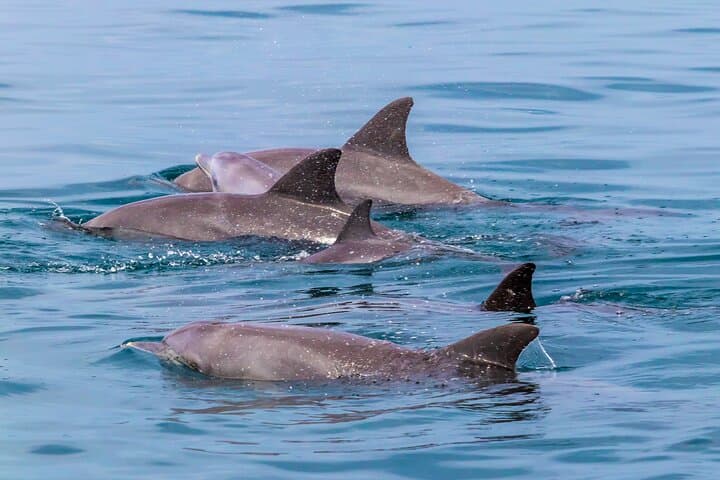
Dawn finds the dhow slipping out past the reef line, sails catching wind while the sea flattens into a glass ribbon that dares you to keep up. Dolphins arc ahead in shaded bands, their sleek backs punctuating the water; the boat slows, engines soften, and the world narrows to the sound of breath and the pop of small waves against the hull.
Dawn finds the dhow slipping out past the reef line, sails catching wind while the sea flattens into a glass ribbon that dares you to keep up. Dolphins arc ahead in shaded bands, their sleek backs punctuating the water; the boat slows, engines soften, and the world narrows to the sound of breath and the pop of small waves against the hull.
This stretch of Kenya’s south coast is defined by coral ridges and sheltered lagoons carved from Pleistocene reef growth and modern sediment. Wasini Island and the Shimoni coastline have long been part of Swahili trading routes; the Shimoni slave caves are a sobering, tangible reminder of 19th-century regional history. Local Bajuni and Swahili communities maintain a fishing-first culture—fresh seafood and dhow-building skills are visible at every landing.
Practically, the day splits into boat time, snorkeling at coral gardens, a village walk and a seafood lunch. Water temperatures are warm year-round but visibility varies with wind and tides; mornings offer the calmest conditions for diving and the best chance to see dolphins and, seasonally, humpback whales offshore. Snorkeling uses provided gear, but adjustable masks and practiced breathing make the experience easier.
Plan for sun, salt, and shifting shade: a reef-safe sunscreen, a snug mask, and a light cover-up are worth the space. Respect local customs in village areas, avoid touching coral, and follow guides—responsible behavior keeps the reefs healthy and the local economy thriving. By day’s end the reef’s color palette and the cadence of dhow life are inseparable from the sound of the tide pulling you back to shore.