THE ADVENTURE COLLECTIVE® · Independent discovery and booking for outdoor travel

A full-day exploration of Kisangani that combines colonial architecture, bustling port life, Wagenia Falls and a pirogue trip to Mbiye Island’s rare river forests. Expect city walking, a river crossing and a taste of traditional fishing culture.
A full-day exploration of Kisangani that combines colonial architecture, bustling port life, Wagenia Falls and a pirogue trip to Mbiye Island’s rare river forests. Expect city walking, a river crossing and a taste of traditional fishing culture.
Morning light slices across the wide Congo; pirogues bob like slow metronomes at Kisangani’s port as the city wakes. Walkable streets meet riverine wilderness here — colonial brick facades rub shoulders with stalls selling fresh fish and cassava, and the river’s surface reflects a patchwork of forest and sky.
Verified experiences and guided adventures in the surrounding area.
Operated by Congo Local Guides · Kisangani, Tshopo
Morning light slices across the wide Congo; pirogues bob like slow metronomes at Kisangani’s port as the city wakes. Walkable streets meet riverine wilderness here — colonial brick facades rub shoulders with stalls selling fresh fish and cassava, and the river’s surface reflects a patchwork of forest and sky.
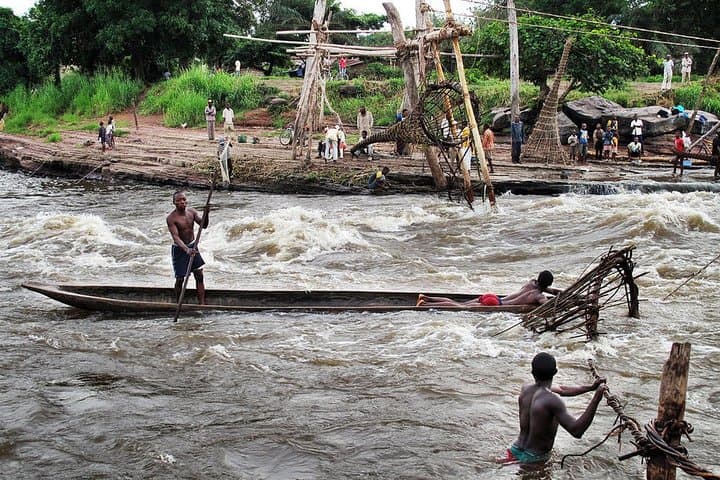
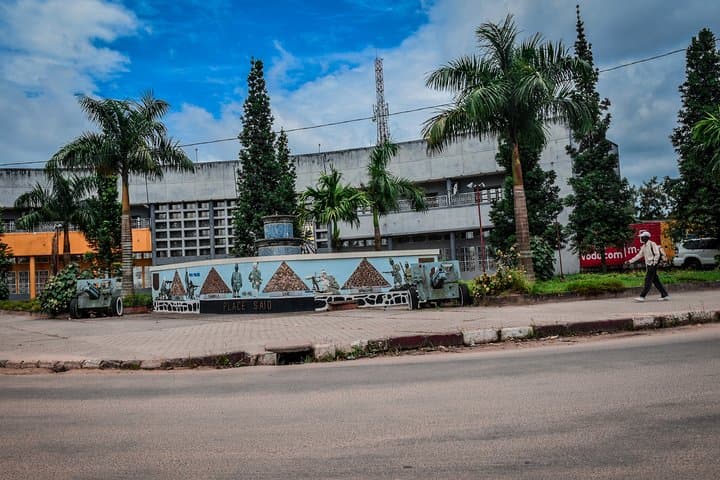
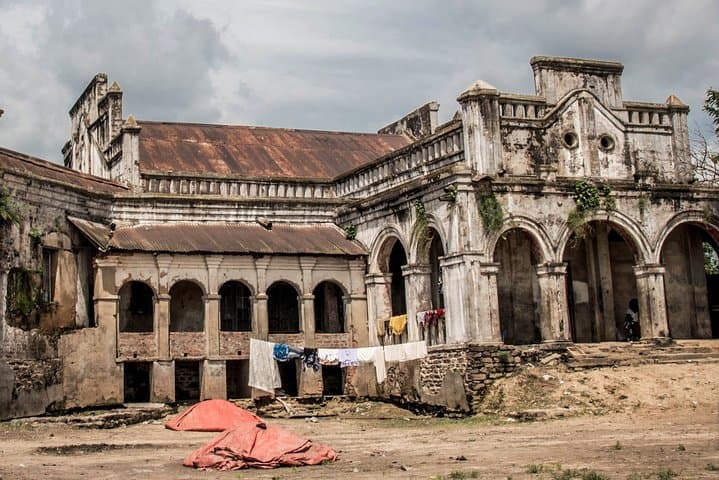
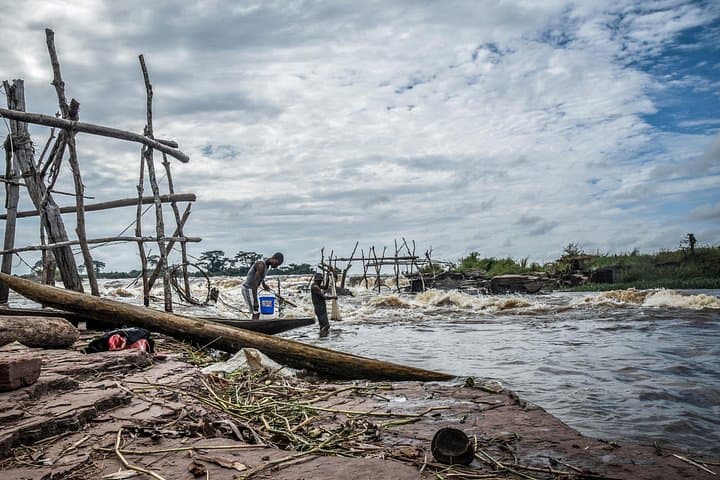
Kisangani’s built fabric and riverscape tell a layered history: a strategic colonial hub where Belgian architecture and monuments mark a complicated past, and a twentieth-century battleground during regional conflicts. Geologically, the city sits where highland runoff meets the Congo’s central bais, producing Wagenia falls — a turbulent, fish-rich stretch where traditional fishermen still use ingenious platforms and baskets. Culturally, the tour threads markets, mosques and the restored Our Lady of the Rosary Cathedral with visits to the Kisangani National Museum and an extended stop on Mbiye Island, a mosaic of dryland, flooded and swamp forest that shelters local communities and wildlife.
Practically, expect a full day: two sequences of activity totaling about 7–8 hours with walking in downtown Kisangani and a pirogue transfer to Mbiye. Wear sturdy shoes for uneven streets and slippery riverbanks, bring insect repellent and cash (local vendors and boat operators often don’t take cards). The pirogue ride is calm most days but can be bouncy near the falls; those with mobility limits should plan accordingly. Meals typically feature fresh river fish, cassava leaves and ugali — a good chance to sample regional cuisine. Respect requests for permissions (some island sites require provincial approval) and keep plastic out of the river; the trip pairs urban history with a close, tactile look at Congo River life.
easy.
7–8 hours.
Basic fitness for urban walking, short riverboat transfers and light island trails; not strenuous.
The tour runs about 7–8 hours in two sequences (city sights then Mbiye Island) with moderate walking and a pirogue transfer; guides set a steady, accessible pace.
Pirogues are standard river craft and guides provide life vests when available; non-swimmers should inform the operator and remain seated during transfers.
Yes—visiting certain island landmarks may require provincial permission; your tour operator should handle permits if included in the itinerary.
The local currency is the Congolese franc (CDF); French and Lingala are commonly spoken—English may be limited, so a guide or phrase list helps.
Kisangani grew as a colonial river port and later became strategically contested during regional conflicts; its architecture and monuments reflect both Belgian influence and the post-independence upheavals.
The Congo River’s flooded forests are ecologically important; minimize plastic, avoid disturbing fishing gear and support local operators who prioritize low-impact visits.
Congo Local Guides operates guided outdoor trips and adventures with an emphasis on safety, stewardship, and memorable experiences.
Morning light slices across the wide Congo; pirogues bob like slow metronomes at Kisangani’s port as the city wakes. Walkable streets meet riverine wilderness here — colonial brick facades rub shoulders with stalls selling fresh fish and cassava, and the river’s surface reflects a patchwork of forest and sky.
Morning light slices across the wide Congo; pirogues bob like slow metronomes at Kisangani’s port as the city wakes. Walkable streets meet riverine wilderness here — colonial brick facades rub shoulders with stalls selling fresh fish and cassava, and the river’s surface reflects a patchwork of forest and sky.
Kisangani’s built fabric and riverscape tell a layered history: a strategic colonial hub where Belgian architecture and monuments mark a complicated past, and a twentieth-century battleground during regional conflicts. Geologically, the city sits where highland runoff meets the Congo’s central bais, producing Wagenia falls — a turbulent, fish-rich stretch where traditional fishermen still use ingenious platforms and baskets. Culturally, the tour threads markets, mosques and the restored Our Lady of the Rosary Cathedral with visits to the Kisangani National Museum and an extended stop on Mbiye Island, a mosaic of dryland, flooded and swamp forest that shelters local communities and wildlife.
Practically, expect a full day: two sequences of activity totaling about 7–8 hours with walking in downtown Kisangani and a pirogue transfer to Mbiye. Wear sturdy shoes for uneven streets and slippery riverbanks, bring insect repellent and cash (local vendors and boat operators often don’t take cards). The pirogue ride is calm most days but can be bouncy near the falls; those with mobility limits should plan accordingly. Meals typically feature fresh river fish, cassava leaves and ugali — a good chance to sample regional cuisine. Respect requests for permissions (some island sites require provincial approval) and keep plastic out of the river; the trip pairs urban history with a close, tactile look at Congo River life.