THE ADVENTURE COLLECTIVE® · Independent discovery and booking for outdoor travel

Leave Kathmandu’s bustle for a half-day private tour to Kirtipur, a medieval Newari town of temples, carved woodwork and valley views. This 5–6 hour outing combines cultural history, short climbs on cobbled lanes and panoramic overlooks of the Kathmandu Valley.
Leave Kathmandu’s bustle for a half-day private tour to Kirtipur, a medieval Newari town of temples, carved woodwork and valley views. This 5–6 hour outing combines cultural history, short climbs on cobbled lanes and panoramic overlooks of the Kathmandu Valley.
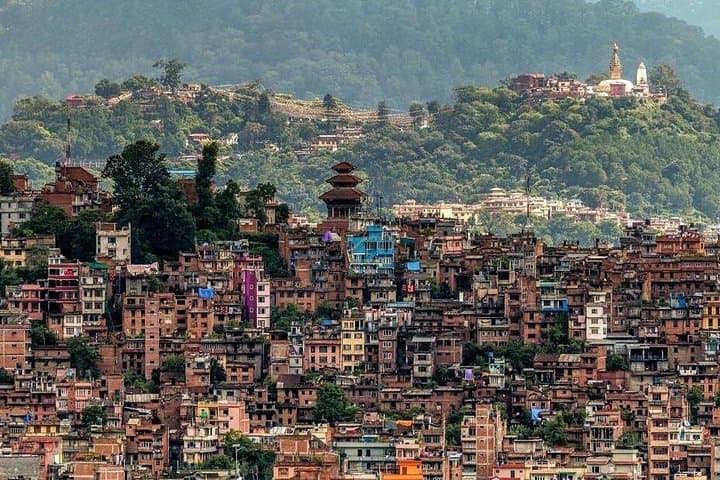
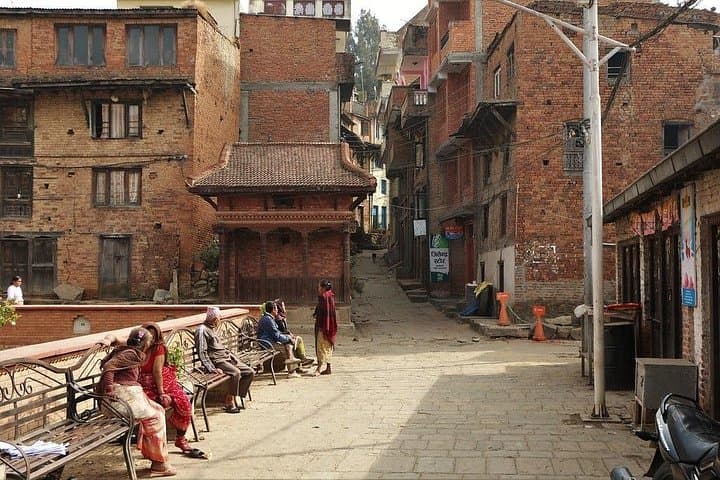
You step from a private vehicle onto narrow, uneven brick lanes that rise above the din of Kathmandu — prayer flags flutter, and a bell from a nearby shrine marks the start of the day. From terraces and temple platforms the valley unfurls below, and on a clear morning the distant ridgeline of the Himalaya cuts the horizon like a folded map.
Verified experiences and guided adventures in the surrounding area.
Operated by Adventure Thirdpole · Kirtipur, Bagmati Province
You step from a private vehicle onto narrow, uneven brick lanes that rise above the din of Kathmandu — prayer flags flutter, and a bell from a nearby shrine marks the start of the day. From terraces and temple platforms the valley unfurls below, and on a clear morning the distant ridgeline of the Himalaya cuts the horizon like a folded map.
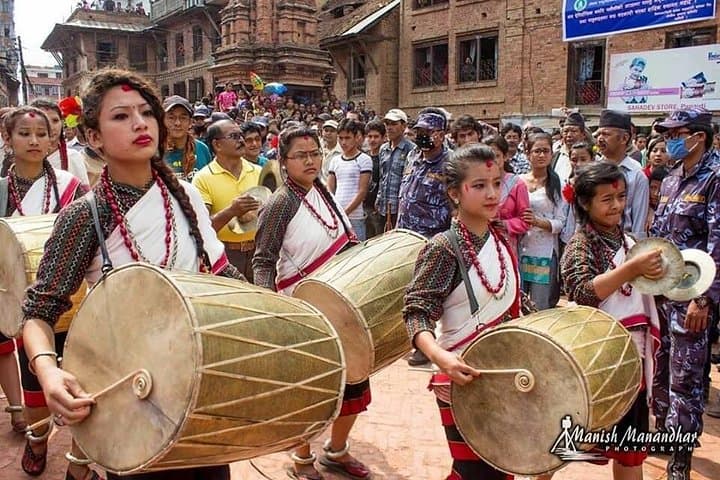
Kirtipur (often spelled Kritipur) was a Malla-era stronghold from the 15th–17th centuries. Newari stonework, carved wooden windows and compact courtyards remain intact; Buddhist chaityas and Hindu temples sit within the same lanes, reflecting the syncretic culture that shaped the Kathmandu Valley. Geologically the town perches on the western rim of the valley — old trade routes climb steep stone stairs and cross small, weathered plazas with views into Chobhar Gorge.
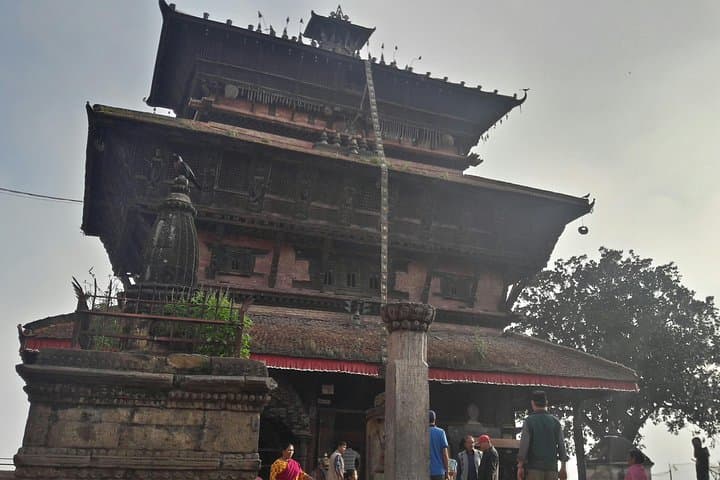
A typical 5–6 hour private tour combines history, local artisanship and panoramic viewpoints: Bag Bhairav and Uma Maheshwori temples, monastery courtyards and craft shops where traditional paubha painting and paubha-style woodcarving persist.
Practical edge: allow 20 minutes from central Kathmandu by car, wear sturdy walking shoes for cobbled alleys and steps, and carry water — shade is limited on higher viewpoints. Respect temple etiquette: remove shoes and ask before photographing worshippers.
Timing matters — morning light sharpens mountain views and cooler temperatures make stair climbs easier. The walk pace is gentle but involves repeated short climbs; guides help navigate alleys and point out lesser-known shrines and local workshops. For a half-day escape from Kathmandu crowds, Kirtipur offers compact history, honest architecture and valley panoramas that reward a modest effort.
easy.
5–6 hours.
Suitable for most fitness levels; involves repeated short climbs and uneven cobblestones so basic mobility and stair-climbing ability are helpful
Yes — the tour includes hotel pickup and drop-off by private vehicle within Kathmandu as noted in the inclusions.
Not typically; the tour covers transport and a guide, but small local shrine or museum fees are usually paid on site — confirm with your operator.
The tour is rated easy and suitable for most people, but it involves cobbled alleys and short stair climbs, so basic mobility is required.
Guides on commercial private tours commonly speak English; confirm language preferences when booking to ensure a suitable guide.
Kirtipur was an important Malla-era fortified town between the 15th and 17th centuries; Newari artisans left durable stone and woodwork that define the town today.
Visitors should avoid single-use plastics, stay on established paths to reduce erosion of old stone steps, and support local craftsmen to help sustain traditional arts.
Adventure Thirdpole operates guided outdoor trips and adventures with an emphasis on safety, stewardship, and memorable experiences.
You step from a private vehicle onto narrow, uneven brick lanes that rise above the din of Kathmandu — prayer flags flutter, and a bell from a nearby shrine marks the start of the day. From terraces and temple platforms the valley unfurls below, and on a clear morning the distant ridgeline of the Himalaya cuts the horizon like a folded map.
You step from a private vehicle onto narrow, uneven brick lanes that rise above the din of Kathmandu — prayer flags flutter, and a bell from a nearby shrine marks the start of the day. From terraces and temple platforms the valley unfurls below, and on a clear morning the distant ridgeline of the Himalaya cuts the horizon like a folded map.
Kirtipur (often spelled Kritipur) was a Malla-era stronghold from the 15th–17th centuries. Newari stonework, carved wooden windows and compact courtyards remain intact; Buddhist chaityas and Hindu temples sit within the same lanes, reflecting the syncretic culture that shaped the Kathmandu Valley. Geologically the town perches on the western rim of the valley — old trade routes climb steep stone stairs and cross small, weathered plazas with views into Chobhar Gorge.
A typical 5–6 hour private tour combines history, local artisanship and panoramic viewpoints: Bag Bhairav and Uma Maheshwori temples, monastery courtyards and craft shops where traditional paubha painting and paubha-style woodcarving persist.
Practical edge: allow 20 minutes from central Kathmandu by car, wear sturdy walking shoes for cobbled alleys and steps, and carry water — shade is limited on higher viewpoints. Respect temple etiquette: remove shoes and ask before photographing worshippers.
Timing matters — morning light sharpens mountain views and cooler temperatures make stair climbs easier. The walk pace is gentle but involves repeated short climbs; guides help navigate alleys and point out lesser-known shrines and local workshops. For a half-day escape from Kathmandu crowds, Kirtipur offers compact history, honest architecture and valley panoramas that reward a modest effort.