THE ADVENTURE COLLECTIVE® · Independent discovery and booking for outdoor travel

Spend a day between Kirstenbosch’s native gardens and the historic vineyards of Constantia. This guided outing pairs easy, scenic walks under Table Mountain with curated wine tastings at storied estates.
Spend a day between Kirstenbosch’s native gardens and the historic vineyards of Constantia. This guided outing pairs easy, scenic walks under Table Mountain with curated wine tastings at storied estates.
You step onto a gravel path beneath Table Mountain’s lower slopes, the mountain's shadow lengthening as the morning light warms the proteas and fynbos. A cool breeze presses the scent of eucalyptus and cut grass into your jacket; birds call from acacia and silver tree canopies as the Boomslang walkway arcs above your head.
Verified experiences and guided adventures in the surrounding area.
Operated by Maricopa Travel Tours · Cape Town, Western Cape
You step onto a gravel path beneath Table Mountain’s lower slopes, the mountain's shadow lengthening as the morning light warms the proteas and fynbos. A cool breeze presses the scent of eucalyptus and cut grass into your jacket; birds call from acacia and silver tree canopies as the Boomslang walkway arcs above your head.
Kirstenbosch opened in 1913 to protect South Africa’s unique flora and today showcases hundreds of indigenous species set against granite buttresses of Table Mountain. Geological folds of Cape granite and sandstone shape the valley; wind and winter rains sculpted the slopes that shelter these gardens. From Kirstenbosch the day moves south into the Constantia Valley, a wine region with estates dating back to the late 1600s where Cape Dutch homesteads and vineyard rows slope toward False Bay.
The contrast is immediate: curated botanical displays and interpretive trails, then the ordered rows of vines and cellar doors where tastings explain terroir and oak influence. Local culture here blends botanical science, colonial history, and modern winemaking — expect knowledgeable guides, tasting notes that highlight maritime influence, and scenic cellar courtyards.
Practical guidance: wear comfortable walking shoes and a sun hat, carry water, and allow at least half the day in Kirstenbosch for slow walks and photos. Book tastings in advance for smaller estates and schedule the tour earlier in the day to avoid afternoon heat and traffic returning to Cape Town. This is an accessible, sensory-rich day for anyone who likes nature-led strolls followed by relaxed wine tasting.
easy.
8 hours.
Light walking ability; suitable for most fitness levels with short uphill sections
The full-day experience runs roughly 8 hours, including time at Kirstenbosch and two vineyard tastings.
Yes—entry to Kirstenbosch Botanical Garden is included as part of this tour.
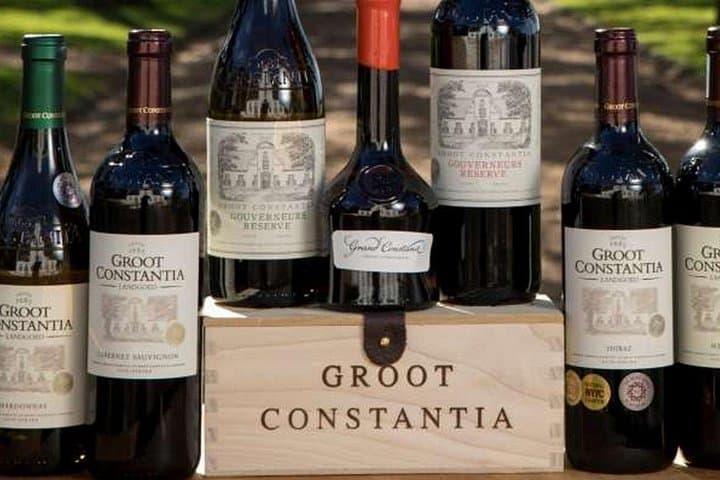
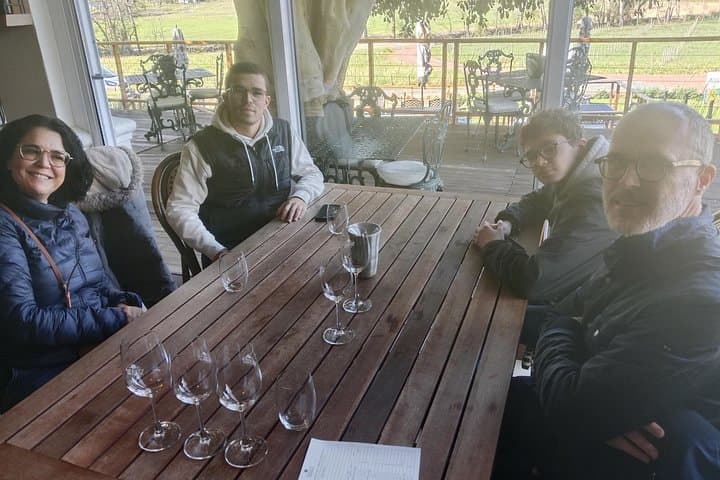
Tastings at selected Constantia estates are included; typically you’ll visit two vineyards with a few samples each.
The tour is described as suitable for all fitness levels; gardens and many cellar areas are wheelchair-accessible, but some paths and historic buildings may have steps—check with the operator if mobility is a concern.
Kirstenbosch was established in 1913 to conserve South Africa’s indigenous plants; Constantia’s wine history dates to the late 17th century when early Cape settlers planted vineyards for export and local consumption.
Kirstenbosch plays an active role in fynbos conservation and propagation; many Constantia estates practice water-wise viticulture and biodiversity-friendly farming to protect the valley’s fragile ecosystems.
Maricopa Travel Tours operates guided outdoor trips and adventures with an emphasis on safety, stewardship, and memorable experiences.


You step onto a gravel path beneath Table Mountain’s lower slopes, the mountain's shadow lengthening as the morning light warms the proteas and fynbos. A cool breeze presses the scent of eucalyptus and cut grass into your jacket; birds call from acacia and silver tree canopies as the Boomslang walkway arcs above your head.
You step onto a gravel path beneath Table Mountain’s lower slopes, the mountain's shadow lengthening as the morning light warms the proteas and fynbos. A cool breeze presses the scent of eucalyptus and cut grass into your jacket; birds call from acacia and silver tree canopies as the Boomslang walkway arcs above your head.
Kirstenbosch opened in 1913 to protect South Africa’s unique flora and today showcases hundreds of indigenous species set against granite buttresses of Table Mountain. Geological folds of Cape granite and sandstone shape the valley; wind and winter rains sculpted the slopes that shelter these gardens. From Kirstenbosch the day moves south into the Constantia Valley, a wine region with estates dating back to the late 1600s where Cape Dutch homesteads and vineyard rows slope toward False Bay.
The contrast is immediate: curated botanical displays and interpretive trails, then the ordered rows of vines and cellar doors where tastings explain terroir and oak influence. Local culture here blends botanical science, colonial history, and modern winemaking — expect knowledgeable guides, tasting notes that highlight maritime influence, and scenic cellar courtyards.
Practical guidance: wear comfortable walking shoes and a sun hat, carry water, and allow at least half the day in Kirstenbosch for slow walks and photos. Book tastings in advance for smaller estates and schedule the tour earlier in the day to avoid afternoon heat and traffic returning to Cape Town. This is an accessible, sensory-rich day for anyone who likes nature-led strolls followed by relaxed wine tasting.