THE ADVENTURE COLLECTIVE® · Independent discovery and booking for outdoor travel

Spend a full day between Kirstenbosch’s famous fynbos gardens and the historic Constantia wine estates—guided walks, cellar tastings, and a vineyard lunch option. Learn local plant and wine history while enjoying accessible, outdoor scenery.
Spend a full day between Kirstenbosch’s famous fynbos gardens and the historic Constantia wine estates—guided walks, cellar tastings, and a vineyard lunch option. Learn local plant and wine history while enjoying accessible, outdoor scenery.
You step out of the air-conditioned van onto a slope of Table Mountain where the air smells faintly of salt and sun-warmed earth. Kirstenbosch spreads uphill—fynbos cranes its leaves toward the light and a Cape sugarbird flits through protea blooms—while the distant silhouette of the Constantia vineyards folds toward False Bay.
Verified experiences and guided adventures in the surrounding area.
Operated by Safari Private Tours. · Cape Town, Western Cape
You step out of the air-conditioned van onto a slope of Table Mountain where the air smells faintly of salt and sun-warmed earth. Kirstenbosch spreads uphill—fynbos cranes its leaves toward the light and a Cape sugarbird flits through protea blooms—while the distant silhouette of the Constantia vineyards folds toward False Bay.
Kirstenbosch was established as a national botanical garden in 1913 to protect South Africa’s unique flora; Constantia’s wine story begins much earlier, with Simon van der Stel planting vines here in the 1680s. Granite and sandstone underlie these slopes, creating thin soils that favor the fire-adapted fynbos. The Constantia route retains a colonial-era agricultural layout alongside modern, award-winning winemaking—expect manor houses, cellar doors, and terraces spilling onto rows of vines.
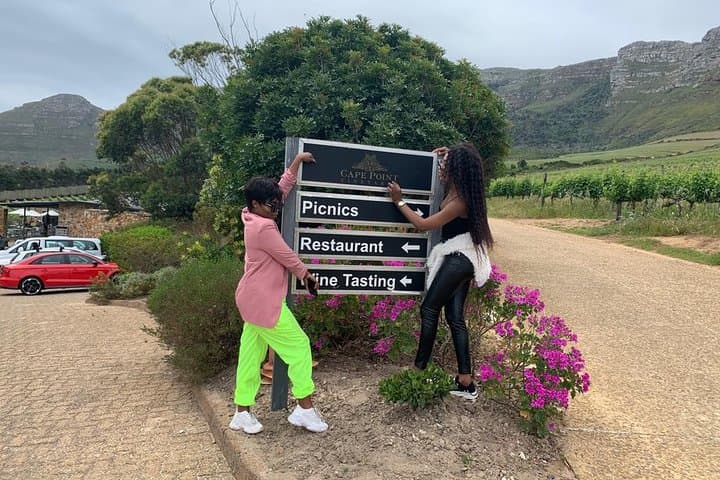
The day blends natural history and tasting: two hours wandering curated plant collections and a nature reserve, then visits to historic estates like Groot Constantia and Buitenverwachting for guided tastings and an optional vineyard lunch. Wildlife is small and observant—sunbirds, dassies, and occasional mongooses—while guides explain viticulture adapted to Cape Mediterranean seasons.
Practical notes: this is an easy, full-day outing with short walks on mostly well-graded paths; bring sun protection, a refillable water bottle, and comfortable shoes. Plan tastings earlier in the day for lower crowds, and budget for additional tastings or wine purchases. Wheelchair access is available at main stops, but some garden paths are uneven—ask your operator about specific vehicle pickup and dietary needs when booking.
easy.
6–7 hours.
Light walking ability is sufficient—short periods of standing and uneven garden paths; no special fitness required.
Two standard wine tastings are included per person; additional tastings, bottled wine, and lunch at estate restaurants are typically at your expense.
Yes—main stops like Kirstenbosch and several estates have wheelchair-accessible areas and transport options; notify the operator at booking to confirm arrangements.
Children can join but under-18s may visit the gardens; they cannot partake in wine tastings—bring snacks and note that infants must sit on laps in the vehicle.
Yes—there’s a recommended lunch stop (often at Groot Constantia) with scenic views; allow time in your day for a leisurely meal and reserve ahead for popular restaurants.
Constantia traces viticulture to Simon van der Stel in the 1680s; Kirstenbosch was founded in 1913 to conserve South Africa’s unique fynbos flora.
The fynbos biome is fire-adapted and globally important—stay on paths, avoid introducing plant material, and support estates that practice responsible land stewardship.
Safari Private Tours. operates guided outdoor trips and adventures with an emphasis on safety, stewardship, and memorable experiences.
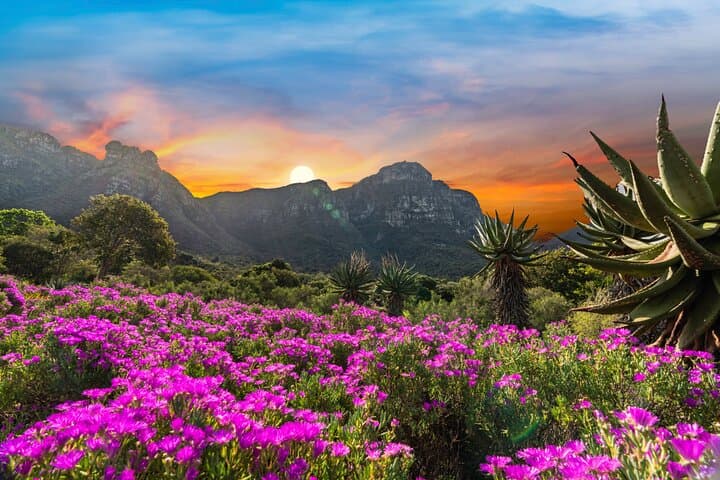
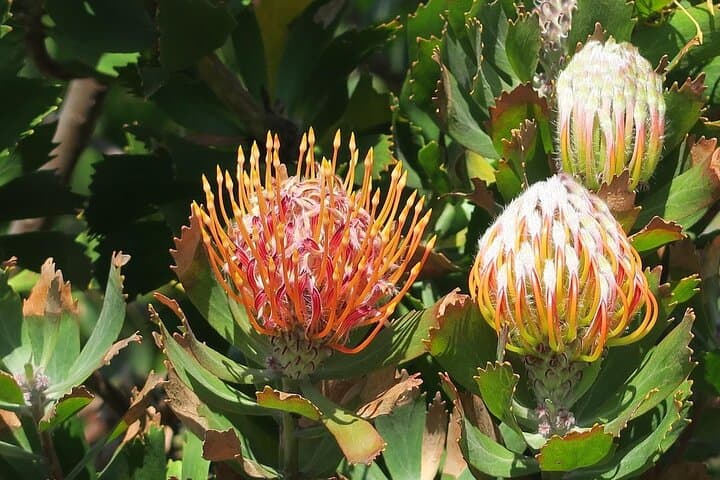

You step out of the air-conditioned van onto a slope of Table Mountain where the air smells faintly of salt and sun-warmed earth. Kirstenbosch spreads uphill—fynbos cranes its leaves toward the light and a Cape sugarbird flits through protea blooms—while the distant silhouette of the Constantia vineyards folds toward False Bay.
You step out of the air-conditioned van onto a slope of Table Mountain where the air smells faintly of salt and sun-warmed earth. Kirstenbosch spreads uphill—fynbos cranes its leaves toward the light and a Cape sugarbird flits through protea blooms—while the distant silhouette of the Constantia vineyards folds toward False Bay.
Kirstenbosch was established as a national botanical garden in 1913 to protect South Africa’s unique flora; Constantia’s wine story begins much earlier, with Simon van der Stel planting vines here in the 1680s. Granite and sandstone underlie these slopes, creating thin soils that favor the fire-adapted fynbos. The Constantia route retains a colonial-era agricultural layout alongside modern, award-winning winemaking—expect manor houses, cellar doors, and terraces spilling onto rows of vines.
The day blends natural history and tasting: two hours wandering curated plant collections and a nature reserve, then visits to historic estates like Groot Constantia and Buitenverwachting for guided tastings and an optional vineyard lunch. Wildlife is small and observant—sunbirds, dassies, and occasional mongooses—while guides explain viticulture adapted to Cape Mediterranean seasons.
Practical notes: this is an easy, full-day outing with short walks on mostly well-graded paths; bring sun protection, a refillable water bottle, and comfortable shoes. Plan tastings earlier in the day for lower crowds, and budget for additional tastings or wine purchases. Wheelchair access is available at main stops, but some garden paths are uneven—ask your operator about specific vehicle pickup and dietary needs when booking.