THE ADVENTURE COLLECTIVE® · Independent discovery and booking for outdoor travel

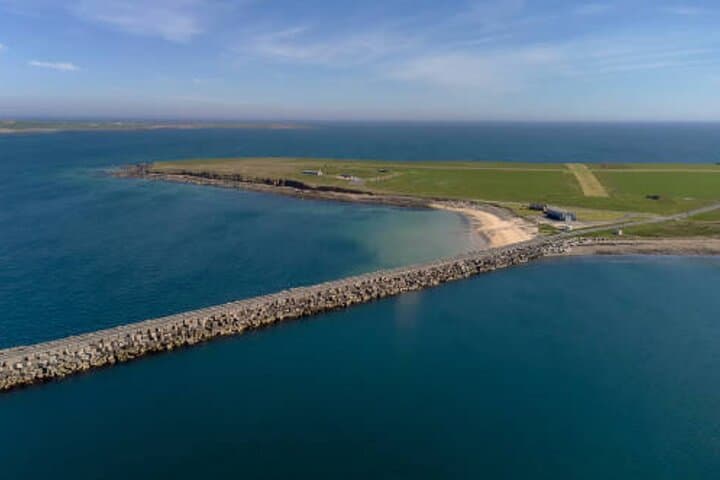
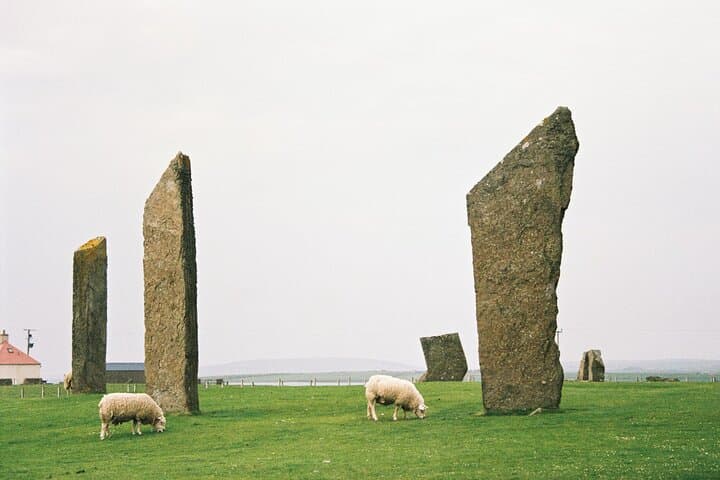
A compact, six-hour small-group shore excursion from Kirkwall that links Skara Brae, Standing Stones of Stenness, the Italian Chapel and the Churchill Barriers. Expect short walks on uneven ground, dramatic coastal views and rich local history.
A compact, six-hour small-group shore excursion from Kirkwall that links Skara Brae, Standing Stones of Stenness, the Italian Chapel and the Churchill Barriers. Expect short walks on uneven ground, dramatic coastal views and rich local history.
You step off the tender into a wind that moves like a tide—brisk, clean, and full of sea-salt stories. A minivan awaits, six seats at most, and the guide offers a map folded with a practised hand. In six hours you'll cross causeways, stand between stones older than many nations, and walk rooms hollowed out by people who lived here five millennia ago.
Verified experiences and guided adventures in the surrounding area.
Operated by Wow A Tour · Kirkwall, Orkney
You step off the tender into a wind that moves like a tide—brisk, clean, and full of sea-salt stories. A minivan awaits, six seats at most, and the guide offers a map folded with a practised hand. In six hours you'll cross causeways, stand between stones older than many nations, and walk rooms hollowed out by people who lived here five millennia ago.
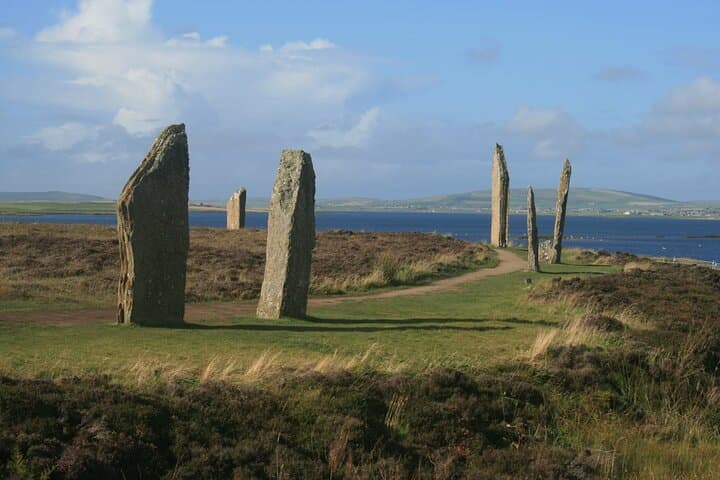
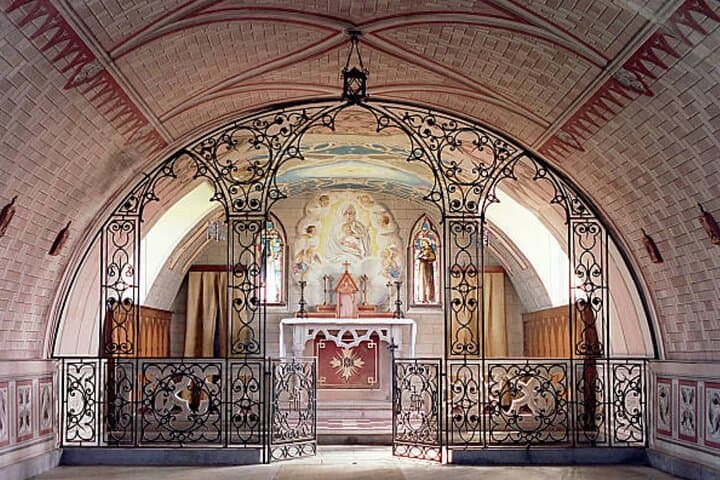
Orkney’s coastline reads like a history book: Neolithic villages such as Skara Brae, the Standing Stones of Stenness and the Ring of Brodgar belong to the Heart of Neolithic Orkney World Heritage Site, while the Churchill Barriers and the Italian Chapel bring wartime engineering and human creativity into sharp relief. Geologically, the islands are Old Red Sandstone and dramatic coasts carved by glacial action and relentless North Sea weather.
Culture here is practical — crofting, fishing and a close relationship with the sea — and the guide will layer in local stories: the prisoner-built chapel, wartime scuttling in Scapa Flow, and the islanders’ seasonal calendar.
Practical side: expect short walks over uneven, often peaty ground and narrow lanes. Dress in breathable layers and a waterproof; wind can turn calm minutes into raw. Shoes with grip and ankle support are advised. Bring a compact camera and a small daypack with water and snacks — facilities at sites are limited and time is fixed. If you travel in shoulder seasons, check ferry and tender schedules and allow flexibility for weather-related delays. This is a concentrated, sensory handful of Orkney—intimate, historical, and uncannily elemental.
easy.
6 hours.
Generally suitable for most fitness levels; participants should be comfortable walking short distances on uneven ground.
Guides meet passengers as they disembark the tender in Kirkwall; full meeting details and a mobile contact are provided before the tour.
Yes — the tour price includes admissions to the listed attractions such as Skara Brae and the Standing Stones visits per the itinerary.
The tour is suitable for most, but sites like Skara Brae and the stone circles involve uneven ground and steps; contact the operator to discuss accessibility needs before booking.
The operator may alter the route for safety; the cancellation policy permits refunds if cancelled at least 24 hours in advance but not for normal weather shifts.
Orkney’s Neolithic monuments form part of the Heart of Neolithic Orkney World Heritage Site; the Churchill Barriers and the Italian Chapel date to WWII and reflect prisoner-built ingenuity.
Visitors should stick to marked paths and avoid touching fragile archaeological remains; seabird colonies are seasonally sensitive—keep distance and minimise disturbance.
Wow A Tour operates guided outdoor trips and adventures with an emphasis on safety, stewardship, and memorable experiences.
You step off the tender into a wind that moves like a tide—brisk, clean, and full of sea-salt stories. A minivan awaits, six seats at most, and the guide offers a map folded with a practised hand. In six hours you'll cross causeways, stand between stones older than many nations, and walk rooms hollowed out by people who lived here five millennia ago.
You step off the tender into a wind that moves like a tide—brisk, clean, and full of sea-salt stories. A minivan awaits, six seats at most, and the guide offers a map folded with a practised hand. In six hours you'll cross causeways, stand between stones older than many nations, and walk rooms hollowed out by people who lived here five millennia ago.
Orkney’s coastline reads like a history book: Neolithic villages such as Skara Brae, the Standing Stones of Stenness and the Ring of Brodgar belong to the Heart of Neolithic Orkney World Heritage Site, while the Churchill Barriers and the Italian Chapel bring wartime engineering and human creativity into sharp relief. Geologically, the islands are Old Red Sandstone and dramatic coasts carved by glacial action and relentless North Sea weather.
Culture here is practical — crofting, fishing and a close relationship with the sea — and the guide will layer in local stories: the prisoner-built chapel, wartime scuttling in Scapa Flow, and the islanders’ seasonal calendar.
Practical side: expect short walks over uneven, often peaty ground and narrow lanes. Dress in breathable layers and a waterproof; wind can turn calm minutes into raw. Shoes with grip and ankle support are advised. Bring a compact camera and a small daypack with water and snacks — facilities at sites are limited and time is fixed. If you travel in shoulder seasons, check ferry and tender schedules and allow flexibility for weather-related delays. This is a concentrated, sensory handful of Orkney—intimate, historical, and uncannily elemental.