THE ADVENTURE COLLECTIVE® · Independent discovery and booking for outdoor travel

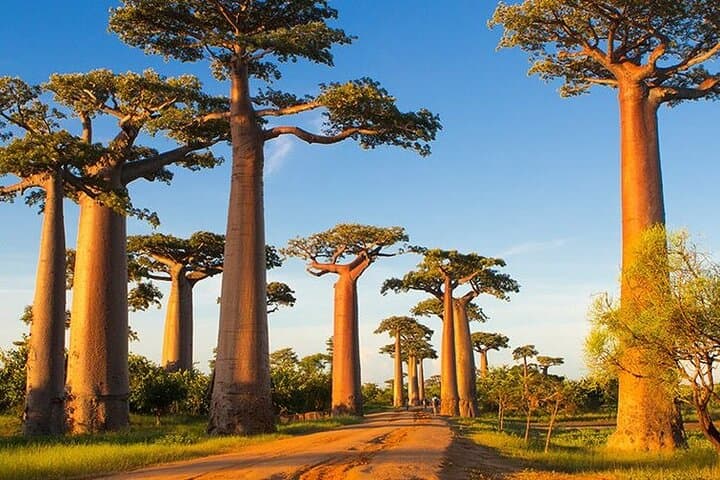
Venture from Morondava into Kirindy’s dry forest to see lemurs and the fossa, then time golden-hour at the Avenue of the Baobabs. This single-day private tour combines wildlife trekking with dramatic baobab photography opportunities.
Venture from Morondava into Kirindy’s dry forest to see lemurs and the fossa, then time golden-hour at the Avenue of the Baobabs. This single-day private tour combines wildlife trekking with dramatic baobab photography opportunities.
You step out before dawn onto the red dust of western Madagascar, headlights cutting through a pale horizon as baobabs loom like ancient sentinels beside the road.
Verified experiences and guided adventures in the surrounding area.
Operated by FRIENDLY TOUR GUIDE MADAGASCAR · Morondava, Menabe
You step out before dawn onto the red dust of western Madagascar, headlights cutting through a pale horizon as baobabs loom like ancient sentinels beside the road.
The day begins with a bumpy drive from Morondava toward Relais du Kirindy and the dry deciduous forest where lemurs move like patched ghosts through low branches and the fossa prowls the understory. Kirindy is geological plain—laterite soils, limestone outcrops and pockets of sandstone—shaping a landscape that forces water into seasonal rhythms and gives the baobabs room to dominate the skyline.
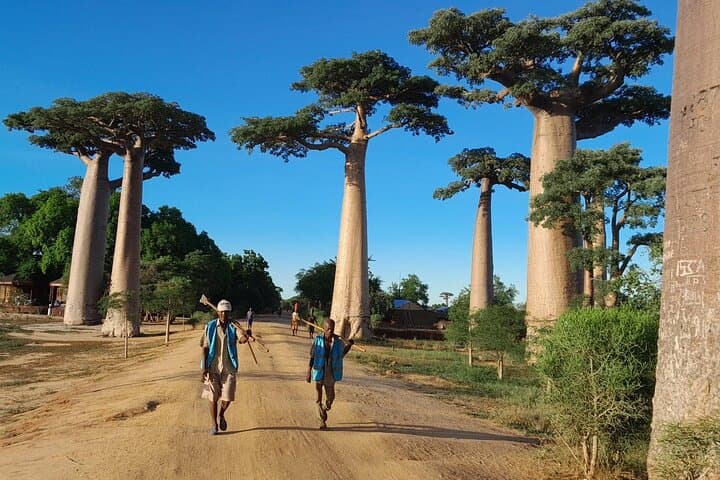
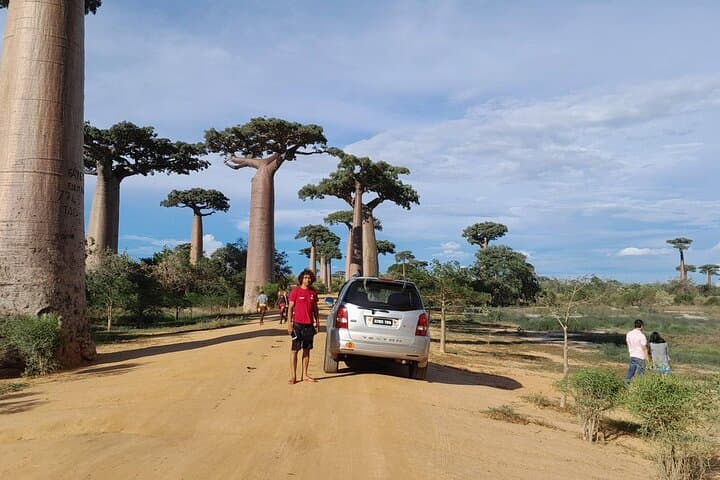
The Avenue of the Baobabs sits on a stretch of former gallery forest that once connected inland corridors; those massive trunks are often centuries old and served as landmarks for local people and traders. The cultural edge of the trip is palpable in Morondava’s coastal market life and the small village hamlets that supply guides and lodges here.
Practically: expect a full day (about 8–9 hours) with 2–3 hours of walking on uneven trails, some off-road driving, and strong sun in the middle of the day. Sunscreen, mosquito repellent and sturdy footwear are non-negotiable. Photography is best at golden hour—sunrise or sunset at the baobabs—and guides increase your chances of spotting sifaka, brown lemurs and the elusive fossa.
Plan for basic facilities at the relay, bring cash for tips and snacks, and allow time to enjoy the light as it slides across the baobab trunks—the trees will keep their silence, but they won’t be still for long.
moderate.
8–9 hours.
Moderate—comfortable walking 2–3 hours over uneven terrain and tolerating bumpy vehicle transfers.
Sightings are possible but not guaranteed; fossas are elusive predators best seen by patient, local guides in Kirindy, often at first light or dusk.
The tour is private and can be adjusted, but it involves bumpy driving and 2–3 hours of walking—those with limited mobility or serious heart conditions should avoid it.
Yes—sunrise visits can be arranged on request (earlier departure) and are excellent for photos and fewer crowds.
Bring local Ariary in cash for tips, small purchases and remote-entry fees; facilities at relays are basic so carry any personal essentials.
The Avenue of the Baobabs formed along former transport routes and dry-forest patches; many baobabs are centuries old and were historically used as landmarks and meeting points for local communities.
Kirindy and the baobab corridor face pressure from deforestation and charcoal production; responsible tours support local guides and community-based conservation efforts.
FRIENDLY TOUR GUIDE MADAGASCAR operates guided outdoor trips and adventures with an emphasis on safety, stewardship, and memorable experiences.

You step out before dawn onto the red dust of western Madagascar, headlights cutting through a pale horizon as baobabs loom like ancient sentinels beside the road.
You step out before dawn onto the red dust of western Madagascar, headlights cutting through a pale horizon as baobabs loom like ancient sentinels beside the road.
The day begins with a bumpy drive from Morondava toward Relais du Kirindy and the dry deciduous forest where lemurs move like patched ghosts through low branches and the fossa prowls the understory. Kirindy is geological plain—laterite soils, limestone outcrops and pockets of sandstone—shaping a landscape that forces water into seasonal rhythms and gives the baobabs room to dominate the skyline.
The Avenue of the Baobabs sits on a stretch of former gallery forest that once connected inland corridors; those massive trunks are often centuries old and served as landmarks for local people and traders. The cultural edge of the trip is palpable in Morondava’s coastal market life and the small village hamlets that supply guides and lodges here.
Practically: expect a full day (about 8–9 hours) with 2–3 hours of walking on uneven trails, some off-road driving, and strong sun in the middle of the day. Sunscreen, mosquito repellent and sturdy footwear are non-negotiable. Photography is best at golden hour—sunrise or sunset at the baobabs—and guides increase your chances of spotting sifaka, brown lemurs and the elusive fossa.
Plan for basic facilities at the relay, bring cash for tips and snacks, and allow time to enjoy the light as it slides across the baobab trunks—the trees will keep their silence, but they won’t be still for long.