THE ADVENTURE COLLECTIVE® · Independent discovery and booking for outdoor travel

Spend a day circling Mount Batur’s crater view, cooling at a valley waterfall, and visiting centuries‑old temples and coffee farms. This private Kintamani tour balances panoramic geology with living Balinese culture—ideal for an accessible, photo-ready day trip from Ubud.
Spend a day circling Mount Batur’s crater view, cooling at a valley waterfall, and visiting centuries‑old temples and coffee farms. This private Kintamani tour balances panoramic geology with living Balinese culture—ideal for an accessible, photo-ready day trip from Ubud.
Morning light opens slowly over Lake Batur, and the rim road unfurls a sequence of viewpoints—a pocket of volcanic steam, a silver lake, and terraces stepping down toward the water. On the Kintamani Volcano View Tour the landscape leads: you move from a refreshing waterfall basin through rice terraces and temple courtyards to the high, wind-swept overlook of Mount Batur and its crater lake.
Verified experiences and guided adventures in the surrounding area.
Operated by Bromelia Bali Tour & Transport Service · Kintamani, Bali
Morning light opens slowly over Lake Batur, and the rim road unfurls a sequence of viewpoints—a pocket of volcanic steam, a silver lake, and terraces stepping down toward the water. On the Kintamani Volcano View Tour the landscape leads: you move from a refreshing waterfall basin through rice terraces and temple courtyards to the high, wind-swept overlook of Mount Batur and its crater lake.
The route threads living geology and layered history. Mount Batur is an active caldera whose last major eruption reshaped local farms; nearby 11th‑century funerary temples at Tampaksiring and the holy spring at Tirta Empul reveal Bali’s ritual geography where water and purification bind community and land. Coffee farms on the slopes speak to the island’s agricultural resilience—kopi luwak and robusta roasts cooling on simple tables with a volcano view.
Travelers should expect paved and rural roads, short walks at viewpoints, and temple etiquette—shoulders and knees covered, quiet in sanctified spaces. The day is paced around photo stops, short dips at a cascading waterfall, and a longer panorama at the Batur rim with cafés nearby.
Practical tips: start early to avoid mid-day haze, bring layered sun protection and a waterproof shell for sudden tropical showers. Moderate fitness is enough; mobility-limited travelers can still enjoy most stops because transport is private and short transfers are frequent. Respect offerings, keep to paths, and carry cash for small-market purchases—the payoffs are clear: raw volcanic forms, living rituals, and a very particular Balinese horizon.
moderate.
8–9 hours.
Moderate: comfortable walking over short inclines and standing at viewpoints; suitable for most travelers with average fitness
The private tour runs about 8–9 hours, typically starting early morning and returning late afternoon.
No; this tour focuses on viewpoints, temples, waterfalls and coffee farms—sunrise treks up Batur require a separate guided hike.
Yes—temples like Tirta Empul welcome visitors but require modest dress; sarongs are often available for rent at entrances.
Yes, as it uses private transport with short walks—children must be accompanied by an adult; travelers with serious back issues should avoid long transfers.
The itinerary touches Tampaksiring’s 11th‑century funerary complex and Tirta Empul’s holy spring—sites central to Balinese ritual life and regional rulership history.
Tourism concentrates at sensitive temple and agricultural sites—stay on designated paths, avoid single‑use plastics, and support local vendors to reduce footprint.
Bromelia Bali Tour & Transport Service operates guided outdoor trips and adventures with an emphasis on safety, stewardship, and memorable experiences.
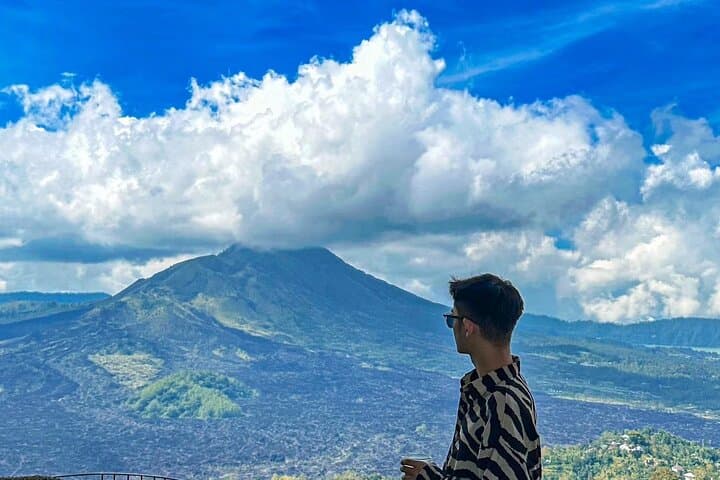
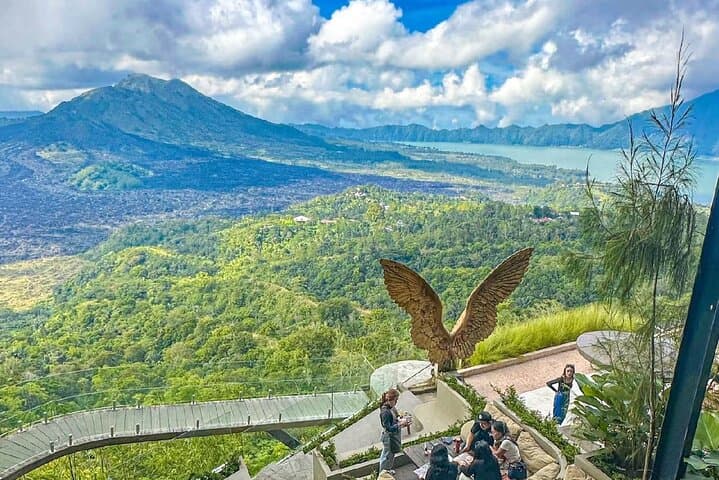
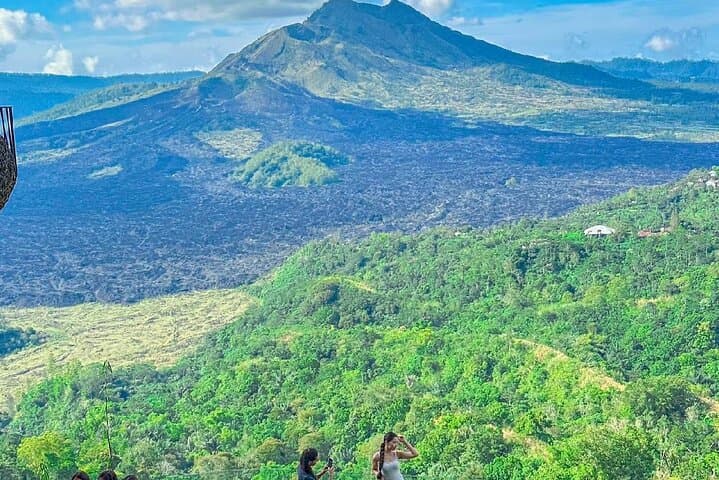
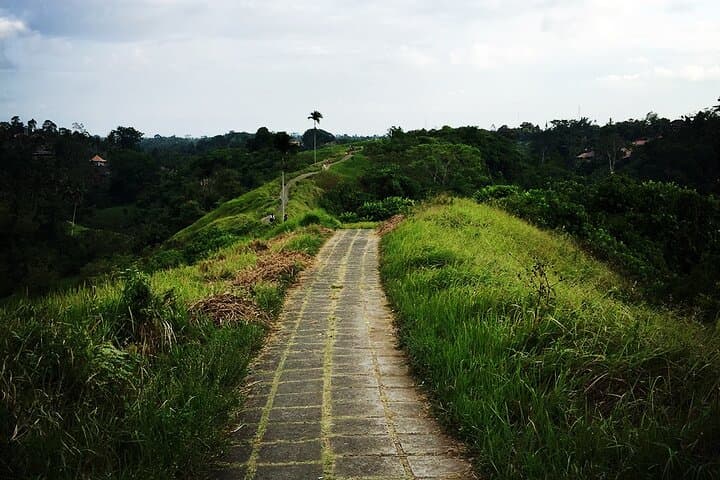
Morning light opens slowly over Lake Batur, and the rim road unfurls a sequence of viewpoints—a pocket of volcanic steam, a silver lake, and terraces stepping down toward the water. On the Kintamani Volcano View Tour the landscape leads: you move from a refreshing waterfall basin through rice terraces and temple courtyards to the high, wind-swept overlook of Mount Batur and its crater lake.
Morning light opens slowly over Lake Batur, and the rim road unfurls a sequence of viewpoints—a pocket of volcanic steam, a silver lake, and terraces stepping down toward the water. On the Kintamani Volcano View Tour the landscape leads: you move from a refreshing waterfall basin through rice terraces and temple courtyards to the high, wind-swept overlook of Mount Batur and its crater lake.
The route threads living geology and layered history. Mount Batur is an active caldera whose last major eruption reshaped local farms; nearby 11th‑century funerary temples at Tampaksiring and the holy spring at Tirta Empul reveal Bali’s ritual geography where water and purification bind community and land. Coffee farms on the slopes speak to the island’s agricultural resilience—kopi luwak and robusta roasts cooling on simple tables with a volcano view.
Travelers should expect paved and rural roads, short walks at viewpoints, and temple etiquette—shoulders and knees covered, quiet in sanctified spaces. The day is paced around photo stops, short dips at a cascading waterfall, and a longer panorama at the Batur rim with cafés nearby.
Practical tips: start early to avoid mid-day haze, bring layered sun protection and a waterproof shell for sudden tropical showers. Moderate fitness is enough; mobility-limited travelers can still enjoy most stops because transport is private and short transfers are frequent. Respect offerings, keep to paths, and carry cash for small-market purchases—the payoffs are clear: raw volcanic forms, living rituals, and a very particular Balinese horizon.