THE ADVENTURE COLLECTIVE® · Independent discovery and booking for outdoor travel

Descend from Kintamani’s rim into Ubud’s rice-country on a private eco bike tour that threads coffee plantations, village temples and a possible waterfall stop. Expect mixed terrain, local insights and a six-hour pace tailored to moderate riders.
Descend from Kintamani’s rim into Ubud’s rice-country on a private eco bike tour that threads coffee plantations, village temples and a possible waterfall stop. Expect mixed terrain, local insights and a six-hour pace tailored to moderate riders.
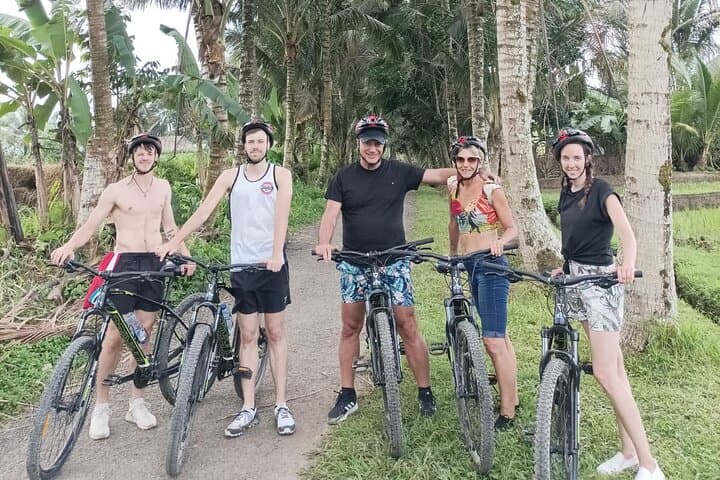
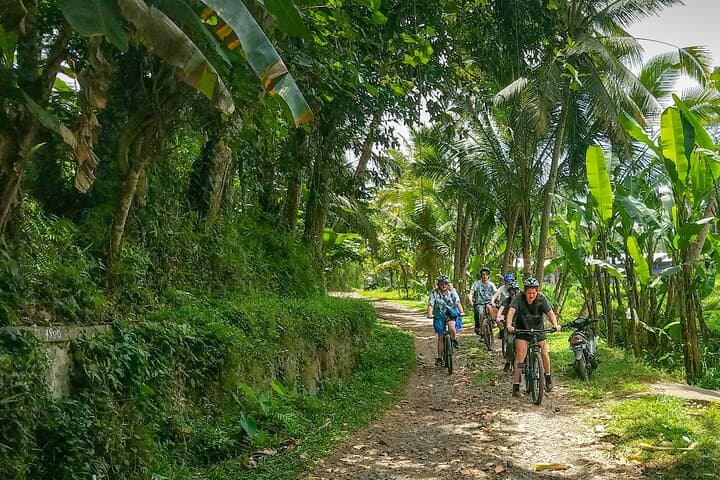
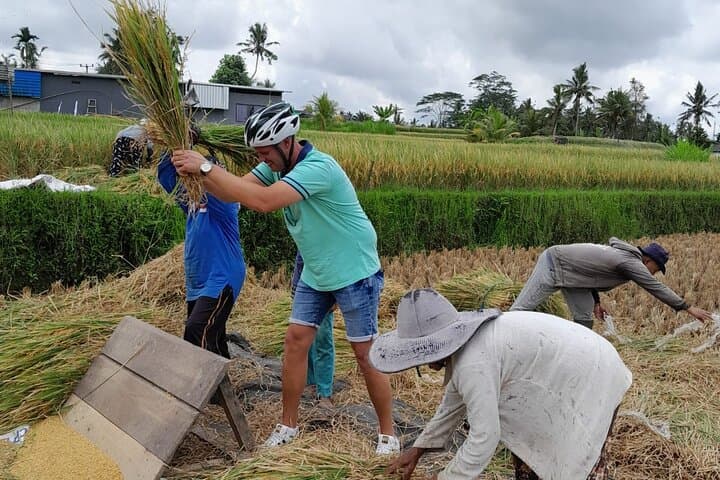
You start above the caldera, where the air from Mount Batur cools the skin and a line of coffee shrubs marks the first turn. The ride drops from Kintamani’s high ridge into a green quilt of rice paddies, local homes and temple gates—each bend changing the soundtrack from distant roosters to water flowing in irrigation channels that have guided Balinese farmers for centuries.
Verified experiences and guided adventures in the surrounding area.
Operated by Master Bali Tour · Ubud, Bali
You start above the caldera, where the air from Mount Batur cools the skin and a line of coffee shrubs marks the first turn. The ride drops from Kintamani’s high ridge into a green quilt of rice paddies, local homes and temple gates—each bend changing the soundtrack from distant roosters to water flowing in irrigation channels that have guided Balinese farmers for centuries.
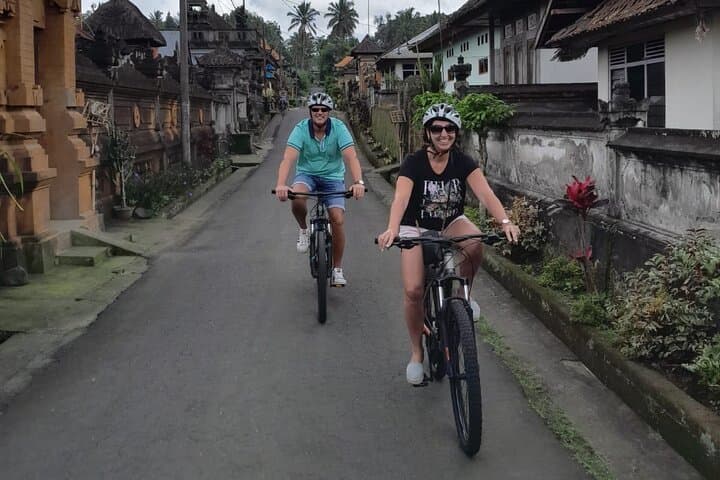
This route runs through volcanic foothills formed by repeated eruptions of Batur and Agung, with soils so fertile they have supported Bali’s subak irrigation system for generations. Culture is present in small ways: offerings at family shrines, footpaths worn by daily commutes and the smell of kopi luwak at a roadside stall. Guides often point out village rituals, traditional compound layouts and how rice terraces reflect collective water governance.
Practically, expect mixed terrain—paved downhill stretches, narrow village lanes and short steeper pitches near Kintamani. The tour deliberately paces riders; guides handle logistics and arrange hotel pickup in Ubud, provide bikes, helmets and a local lunch. Hydration and sun protection matter: tropical sun can intensify on open paddies, and sudden showers are possible.
Plan for a moderate six-hour outing, bring a small daypack, and leave room in your schedule for a post-ride visit to a nearby waterfall or coffee plantation. Respect private property, follow your guide’s line on descents, and consider cash for small purchases and temple donations. This ride is about rural rhythms—pedal, look, and move through a living landscape shaped by volcanoes and rice culture.
moderate.
5–6 hours.
Suitable for riders with moderate fitness who can handle steady pedaling and short climbs; not for those with serious cardiovascular issues.
Moderate fitness and basic bike-handling skills are sufficient; guides adjust pace and routes to rider ability.
Yes—lunch at a local restaurant and a drink are included in the tour price.
Yes—hotel pickup and drop-off for the Ubud area are included; provide your accommodation details when booking.
The operator recommends ages 8–58 and requires a minimum of two people per booking; children should be comfortable on longer rides.
The area is shaped by Mount Batur’s volcanic activity and Bali’s subak irrigation system, a centuries-old communal water management that supports the island’s rice terraces.
Support local guides and avoid straying onto private fields; minimizing single-use plastics and staying on roads helps protect fragile rice-terrace ecosystems.
Master Bali Tour operates guided outdoor trips and adventures with an emphasis on safety, stewardship, and memorable experiences.
You start above the caldera, where the air from Mount Batur cools the skin and a line of coffee shrubs marks the first turn. The ride drops from Kintamani’s high ridge into a green quilt of rice paddies, local homes and temple gates—each bend changing the soundtrack from distant roosters to water flowing in irrigation channels that have guided Balinese farmers for centuries.
You start above the caldera, where the air from Mount Batur cools the skin and a line of coffee shrubs marks the first turn. The ride drops from Kintamani’s high ridge into a green quilt of rice paddies, local homes and temple gates—each bend changing the soundtrack from distant roosters to water flowing in irrigation channels that have guided Balinese farmers for centuries.
This route runs through volcanic foothills formed by repeated eruptions of Batur and Agung, with soils so fertile they have supported Bali’s subak irrigation system for generations. Culture is present in small ways: offerings at family shrines, footpaths worn by daily commutes and the smell of kopi luwak at a roadside stall. Guides often point out village rituals, traditional compound layouts and how rice terraces reflect collective water governance.
Practically, expect mixed terrain—paved downhill stretches, narrow village lanes and short steeper pitches near Kintamani. The tour deliberately paces riders; guides handle logistics and arrange hotel pickup in Ubud, provide bikes, helmets and a local lunch. Hydration and sun protection matter: tropical sun can intensify on open paddies, and sudden showers are possible.
Plan for a moderate six-hour outing, bring a small daypack, and leave room in your schedule for a post-ride visit to a nearby waterfall or coffee plantation. Respect private property, follow your guide’s line on descents, and consider cash for small purchases and temple donations. This ride is about rural rhythms—pedal, look, and move through a living landscape shaped by volcanoes and rice culture.