THE ADVENTURE COLLECTIVE® · Independent discovery and booking for outdoor travel

A two-day private escape from Osaka to Kinosaki Onsen blends soothed muscles and centuries-old temples. Move between public baths, taste local soba by the river, and see Edo-period paintings that change with your viewpoint.
A two-day private escape from Osaka to Kinosaki Onsen blends soothed muscles and centuries-old temples. Move between public baths, taste local soba by the river, and see Edo-period paintings that change with your viewpoint.
Steam rises off a river as lanterns blink on the narrow streets—Kinosaki’s seven public baths line a willow-fringed canal that dares you to slow down. Walk in wooden geta, feel the air cool off the mountains, and trade city noise for the gentle clack of ryokan doors.
Verified experiences and guided adventures in the surrounding area.
Operated by One night trip from Osaka · Toyooka, Hyogo
Steam rises off a river as lanterns blink on the narrow streets—Kinosaki’s seven public baths line a willow-fringed canal that dares you to slow down. Walk in wooden geta, feel the air cool off the mountains, and trade city noise for the gentle clack of ryokan doors.
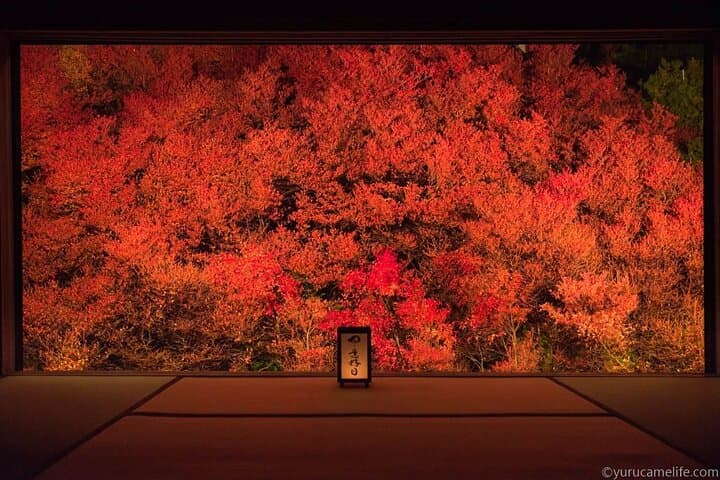
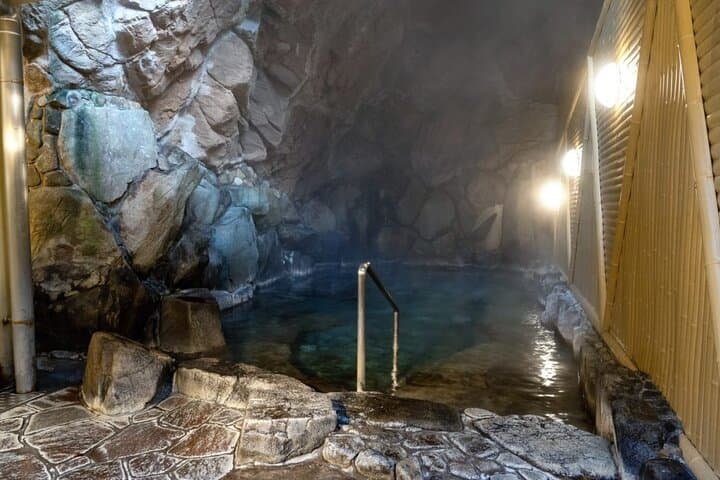
Kinosaki Onsen has welcomed travelers for more than a millennium; its soto-yu ritual—moving between multiple public baths—reflects a local culture of communal relaxation. Nearby temples like Ankokuji and Chorakuji add layers of history: Ankokuji frames garden azaleas in a window view, while Daijyo-ji (Okyo-ji) preserves Edo-period fusuma paintings that shift with your perspective. The region’s geology, fed by mountain springs, keeps summers pleasantly cool and feeds the river-side kawadoko dining platforms where soba and irori cooking meet the current.
This private 2-day itinerary from Osaka compresses those highlights—onsen circulation, temple visits, a sake tasting at a centuries-old brewery, and a night at a local inn with a private onsen. Expect short walks on paved, sometimes cobbled streets, light elevation changes along temple approaches, and comfortable travel by air-conditioned vehicle for transfers (about 2½ hours from Osaka).
Practical advice: bring cash for small shops and shrine donations, a small towel and modesty wrap for moving between baths, and layered clothing—the river valley cools quickly after sunset. Book weekday arrivals for quieter baths, reserve dining at kawadoka platforms in advance, and follow onsen etiquette (no swimwear in baths, rinse before entering). This trip trades speed for the slow, tactile pleasures of real Japan—so plan to walk, taste, and unwind.
easy.
2 days.
Suitable for travelers in normal, everyday fitness; involves short walks and stairs at temples
No; the tour includes an English guide, but carrying a translation app helps for menus and signs in smaller shops.
Most ryokan provide bath towels and yukata; for public soto-yu you may bring your own small towel (tenugui) for modesty outside the baths.
No—traditional onsen etiquette requires bathing without swimwear; use provided washing areas and keep long hair tied up.
Yes; the tour notes infants must sit on laps for transport—check with the operator for onsen age restrictions and family facilities.
Kinosaki’s hot springs have been recorded for over 1,000 years and developed around the practice of soto-yu—visiting multiple baths for restorative bathing.
Respect spring-water flow by minimizing soap near source drains, support local ryokan and shops to sustain small-town tourism, and avoid single-use plastics when possible.
One night trip from Osaka operates guided outdoor trips and adventures with an emphasis on safety, stewardship, and memorable experiences.
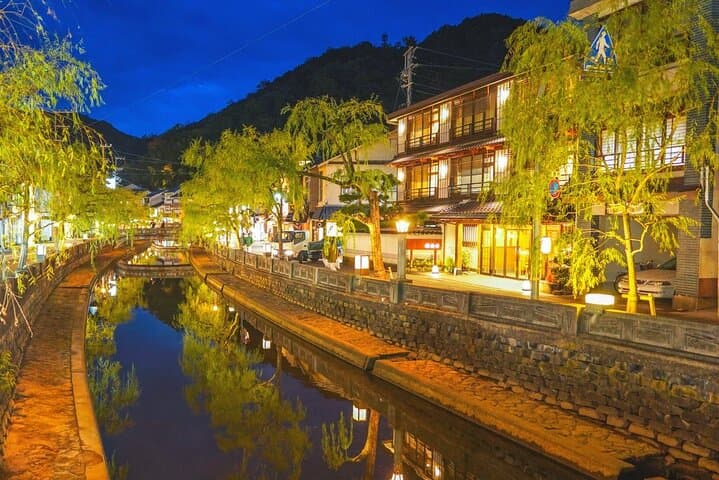
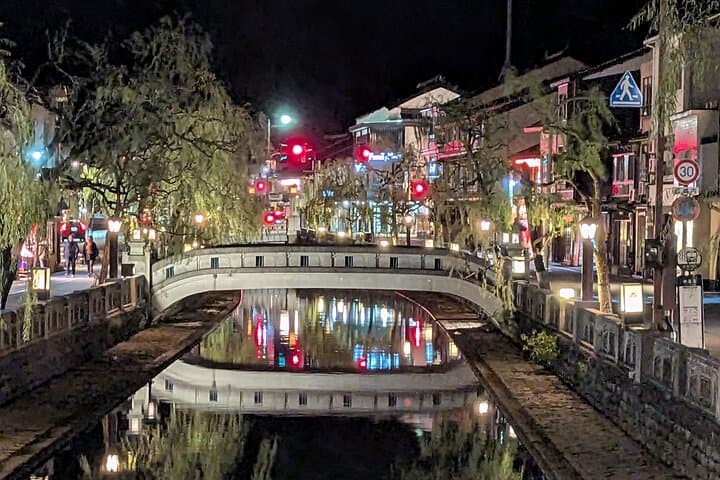
Steam rises off a river as lanterns blink on the narrow streets—Kinosaki’s seven public baths line a willow-fringed canal that dares you to slow down. Walk in wooden geta, feel the air cool off the mountains, and trade city noise for the gentle clack of ryokan doors.
Steam rises off a river as lanterns blink on the narrow streets—Kinosaki’s seven public baths line a willow-fringed canal that dares you to slow down. Walk in wooden geta, feel the air cool off the mountains, and trade city noise for the gentle clack of ryokan doors.
Kinosaki Onsen has welcomed travelers for more than a millennium; its soto-yu ritual—moving between multiple public baths—reflects a local culture of communal relaxation. Nearby temples like Ankokuji and Chorakuji add layers of history: Ankokuji frames garden azaleas in a window view, while Daijyo-ji (Okyo-ji) preserves Edo-period fusuma paintings that shift with your perspective. The region’s geology, fed by mountain springs, keeps summers pleasantly cool and feeds the river-side kawadoko dining platforms where soba and irori cooking meet the current.
This private 2-day itinerary from Osaka compresses those highlights—onsen circulation, temple visits, a sake tasting at a centuries-old brewery, and a night at a local inn with a private onsen. Expect short walks on paved, sometimes cobbled streets, light elevation changes along temple approaches, and comfortable travel by air-conditioned vehicle for transfers (about 2½ hours from Osaka).
Practical advice: bring cash for small shops and shrine donations, a small towel and modesty wrap for moving between baths, and layered clothing—the river valley cools quickly after sunset. Book weekday arrivals for quieter baths, reserve dining at kawadoka platforms in advance, and follow onsen etiquette (no swimwear in baths, rinse before entering). This trip trades speed for the slow, tactile pleasures of real Japan—so plan to walk, taste, and unwind.