THE ADVENTURE COLLECTIVE® · Independent discovery and booking for outdoor travel

Preview Kinosaki Onsen’s hot‑spring culture and wetland life on a five‑hour guided tour that pairs a temple ritual, stork habitat walk, and local lunch. Ride electric tuk‑tuks, learn ancient bathing etiquette, and finish ready to check in and bathe like a local.
Preview Kinosaki Onsen’s hot‑spring culture and wetland life on a five‑hour guided tour that pairs a temple ritual, stork habitat walk, and local lunch. Ride electric tuk‑tuks, learn ancient bathing etiquette, and finish ready to check in and bathe like a local.
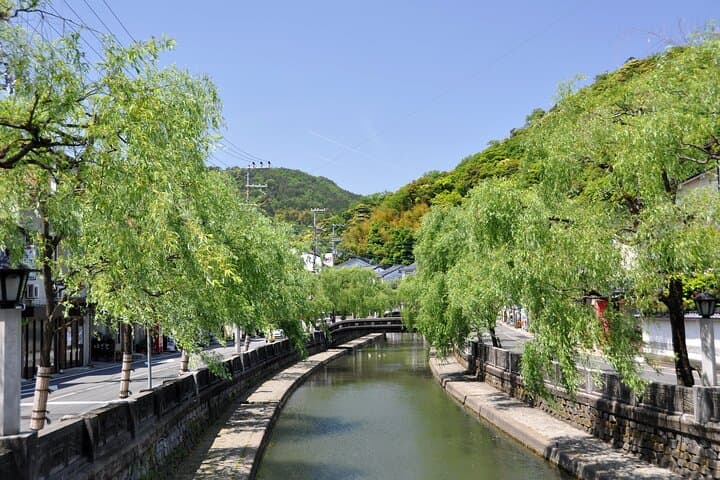
Arrive at the Kinosaki Onsen Tourist Center and the town opens like a quiet stage: wooden ryokan fronts, steam rising from narrow drains, and the Maruyama River threading its way, daring you to follow its banks. Over five hours a local guide moves the group by electric tuk‑tuk and ropeway, alternating short walks with seated relaxation so the rhythms of the place unfold without rush.
Verified experiences and guided adventures in the surrounding area.
Operated by Attractive JAPAN · Toyooka, Hyogo
Arrive at the Kinosaki Onsen Tourist Center and the town opens like a quiet stage: wooden ryokan fronts, steam rising from narrow drains, and the Maruyama River threading its way, daring you to follow its banks. Over five hours a local guide moves the group by electric tuk‑tuk and ropeway, alternating short walks with seated relaxation so the rhythms of the place unfold without rush.
Kinosaki’s story runs deep — Onsenji Temple traces back some 1,300 years to the monk Dochi Shonin, and the six public baths grew from a communal bathing culture shaped by local fishing and farming economies. Geologically the area sits on coastal terraces feeding mineral‑rich springs; Toshima Marsh functions as a bright wetland within the UNESCO Global Geopark, where the recovered oriental stork forages in shallow channels.
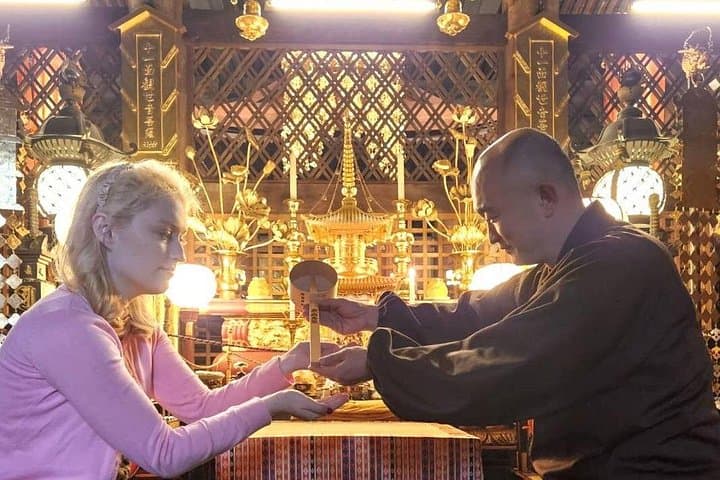
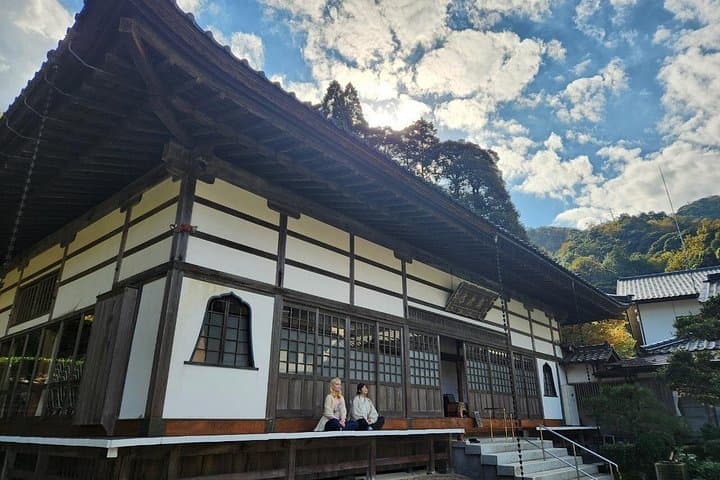
The tour pairs cultural instruction (you’ll learn the traditional “Ancient Bathing Etiquette” at Onsenji and see Yakushido’s Edo‑period architecture) with nature observation — guided marsh walks emphasize minimal disturbance to birds and local rice‑field practices that support storks.
Practical guidance: bring your passport for luggage transfer and check‑in formalities, wear sturdy shoes for the marsh boardwalk, and carry cash for optional upgrades like a Tajima beef steak or a souvenir yushaku ladle. The pace is gentle but expect several short uphill steps at the ropeway and standing during temple instruction. Plan light layers for coastal winds and allow time after the tour to try one public bath — having previewed the etiquette, you’ll be ready to enjoy the full onsen experience.
easy.
5 hours.
Light fitness; suitable for travelers who can handle short walks, standing during explanations, and a few steps at the ropeway.
The tour provides instruction and previews of public baths, but actual bathing admissions and ryokan check‑in baths are arranged separately—bring swimwear? No, follow the traditional bathing etiquette explained on tour.
Yes if you present a valid International Driving Permit; otherwise the guide will drive and guests ride in the back seat.
Children who can tolerate a slightly bumpy ride are welcome; children under 5 may participate free but should sit on laps when required.
You may spot oriental storks foraging along with herons and seasonal waterfowl; sightings depend on time of year and disturbance level.
Onsenji Temple was founded over a millennium ago by monk Dochi Shonin, anchoring Kinosaki’s identity as a pilgrimage and bathing site tied to local livelihoods.
Local groups manage Toshima Marsh and rice‑field practices to support stork recovery; visitors are asked to minimize disturbance and follow guide instructions.
Attractive JAPAN operates guided outdoor trips and adventures with an emphasis on safety, stewardship, and memorable experiences.

Arrive at the Kinosaki Onsen Tourist Center and the town opens like a quiet stage: wooden ryokan fronts, steam rising from narrow drains, and the Maruyama River threading its way, daring you to follow its banks. Over five hours a local guide moves the group by electric tuk‑tuk and ropeway, alternating short walks with seated relaxation so the rhythms of the place unfold without rush.
Arrive at the Kinosaki Onsen Tourist Center and the town opens like a quiet stage: wooden ryokan fronts, steam rising from narrow drains, and the Maruyama River threading its way, daring you to follow its banks. Over five hours a local guide moves the group by electric tuk‑tuk and ropeway, alternating short walks with seated relaxation so the rhythms of the place unfold without rush.
Kinosaki’s story runs deep — Onsenji Temple traces back some 1,300 years to the monk Dochi Shonin, and the six public baths grew from a communal bathing culture shaped by local fishing and farming economies. Geologically the area sits on coastal terraces feeding mineral‑rich springs; Toshima Marsh functions as a bright wetland within the UNESCO Global Geopark, where the recovered oriental stork forages in shallow channels.
The tour pairs cultural instruction (you’ll learn the traditional “Ancient Bathing Etiquette” at Onsenji and see Yakushido’s Edo‑period architecture) with nature observation — guided marsh walks emphasize minimal disturbance to birds and local rice‑field practices that support storks.
Practical guidance: bring your passport for luggage transfer and check‑in formalities, wear sturdy shoes for the marsh boardwalk, and carry cash for optional upgrades like a Tajima beef steak or a souvenir yushaku ladle. The pace is gentle but expect several short uphill steps at the ropeway and standing during temple instruction. Plan light layers for coastal winds and allow time after the tour to try one public bath — having previewed the etiquette, you’ll be ready to enjoy the full onsen experience.