THE ADVENTURE COLLECTIVE® · Independent discovery and booking for outdoor travel

Trade the main drag for riverside lanes and rice‑field sandbanks on a 90‑minute electric scooter rental in Kinosaki Onsen. This self‑guided route threads quiet alleys, Totoro‑like corners and rural views with practical rental support for short gaps in your travel day.
Trade the main drag for riverside lanes and rice‑field sandbanks on a 90‑minute electric scooter rental in Kinosaki Onsen. This self‑guided route threads quiet alleys, Totoro‑like corners and rural views with practical rental support for short gaps in your travel day.
The river street smells faintly of salt and hot spring steam as an electric scooter hums past ryokan fronts and wooden bridges. In ninety minutes you slip through back alleys that most visitors miss — narrow lanes where rice paddies and Totoro-like mossy corners give way to sandbanks on the Maruyama River and quiet Kiyamachi-dori beside the Otani.
Verified experiences and guided adventures in the surrounding area.
Operated by Attractive JAPAN · Toyooka, Hyogo Prefecture
The river street smells faintly of salt and hot spring steam as an electric scooter hums past ryokan fronts and wooden bridges. In ninety minutes you slip through back alleys that most visitors miss — narrow lanes where rice paddies and Totoro-like mossy corners give way to sandbanks on the Maruyama River and quiet Kiyamachi-dori beside the Otani.
Kinosaki’s history is written in onsen baths and fishing boats; the town grew as a coastal hot-spring stop in the Edo and Meiji periods, with architecture and guest rhythms that still shape the walk-in-a-yukata culture. Geologically the area is coastal plain and river sandbars, carved by tidal action and seasonal floods that created the shallow, fertile Nakanoshima. Culturally the town balances tourism with local fisheries — expect crab seasons to influence menus and shop windows.
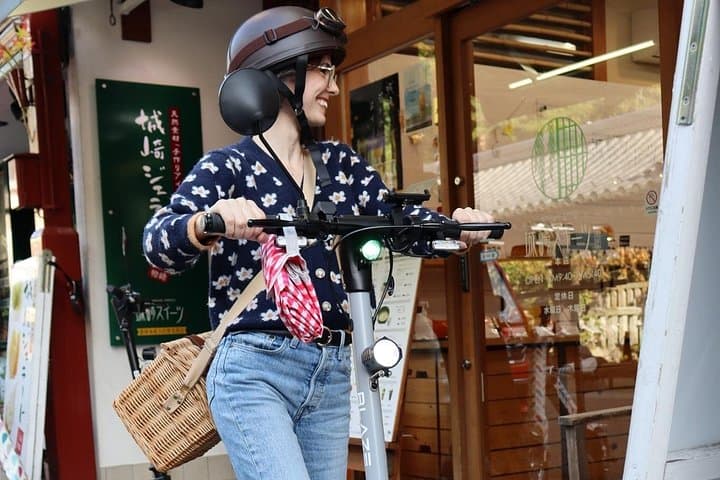
Practical guidance is straightforward: this is a low-impact, battery-driven way to extend a hotel wait or stretch before a train. Rentals include helmets, a smartphone for navigation, and a paper/Google map tailored to the hidden-alleys route; staff provide a brief practice run and weight limits apply. Roads are mostly quiet local lanes and paved country roads but watch for narrow bridges and pedestrians in yukata. Ride defensively, park considerately at designated stops, and plan for tides and evening crowds when restaurants and bathhouses fill.
This is a compact, accessible taste of rural Hyōgo — fast enough to cover multiple sights, slow enough to notice the details.
easy.
90 minutes.
Suitable for most fitness levels; requires basic balance and short periods of standing when mounting/dismounting.
No — the rental does not require an international driver’s license, but riders must be 16+ and able to follow local traffic rules.
If the operator cancels due to weather they will notify you by 3:00 p.m. the day before; same‑day no‑shows may be charged per policy.
Yes — the service includes a practice session and the route uses quiet local roads; basic balance and confidence on two wheels are sufficient.
Yes — the scooter has a 100 kg weight limit and isn’t recommended for people with serious spinal or cardiovascular conditions; pregnant guests should consult a doctor.
Kinosaki developed as a coastal onsen town from the Edo period; ryokan and public bath culture shaped the town’s pedestrian-friendly streetscapes.
Electric scooters offer low‑emission exploration, but riders should stay on paved lanes, avoid trampling rice paddies, and use designated parking to minimize local disturbance.
Attractive JAPAN operates guided outdoor trips and adventures with an emphasis on safety, stewardship, and memorable experiences.
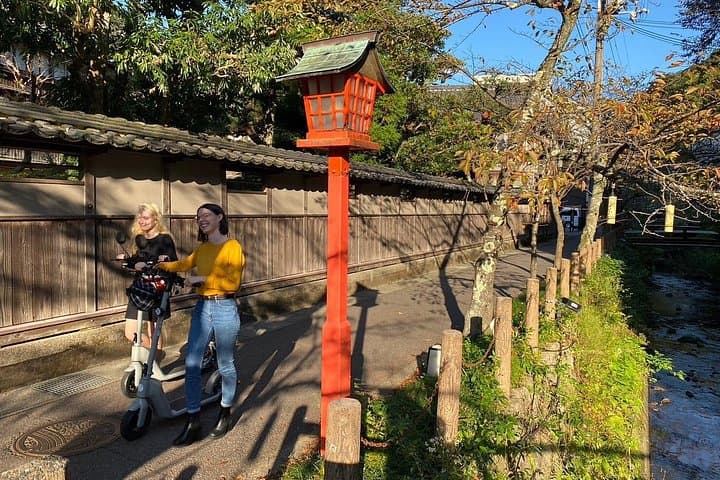
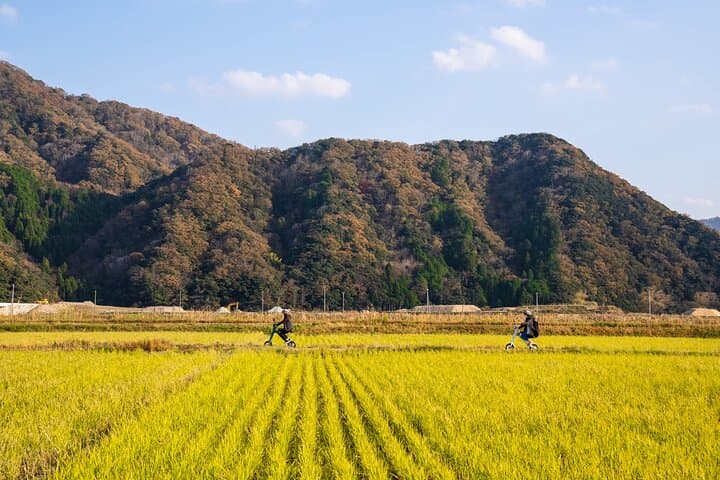

The river street smells faintly of salt and hot spring steam as an electric scooter hums past ryokan fronts and wooden bridges. In ninety minutes you slip through back alleys that most visitors miss — narrow lanes where rice paddies and Totoro-like mossy corners give way to sandbanks on the Maruyama River and quiet Kiyamachi-dori beside the Otani.
The river street smells faintly of salt and hot spring steam as an electric scooter hums past ryokan fronts and wooden bridges. In ninety minutes you slip through back alleys that most visitors miss — narrow lanes where rice paddies and Totoro-like mossy corners give way to sandbanks on the Maruyama River and quiet Kiyamachi-dori beside the Otani.
Kinosaki’s history is written in onsen baths and fishing boats; the town grew as a coastal hot-spring stop in the Edo and Meiji periods, with architecture and guest rhythms that still shape the walk-in-a-yukata culture. Geologically the area is coastal plain and river sandbars, carved by tidal action and seasonal floods that created the shallow, fertile Nakanoshima. Culturally the town balances tourism with local fisheries — expect crab seasons to influence menus and shop windows.
Practical guidance is straightforward: this is a low-impact, battery-driven way to extend a hotel wait or stretch before a train. Rentals include helmets, a smartphone for navigation, and a paper/Google map tailored to the hidden-alleys route; staff provide a brief practice run and weight limits apply. Roads are mostly quiet local lanes and paved country roads but watch for narrow bridges and pedestrians in yukata. Ride defensively, park considerately at designated stops, and plan for tides and evening crowds when restaurants and bathhouses fill.
This is a compact, accessible taste of rural Hyōgo — fast enough to cover multiple sights, slow enough to notice the details.