THE ADVENTURE COLLECTIVE® · Independent discovery and booking for outdoor travel

Follow a historic levada through São Jorge’s native laurisilva, through short hand-cut tunnels and farmland viewpoints. This moderate, linear route rewards steady walkers with dramatic northern Madeira scenery and a close-up of island water engineering.
Follow a historic levada through São Jorge’s native laurisilva, through short hand-cut tunnels and farmland viewpoints. This moderate, linear route rewards steady walkers with dramatic northern Madeira scenery and a close-up of island water engineering.
You step off the minibus into the damp hush of the laurisilva—humidity clings to your jacket and the levada’s canal runs like a deliberate line through ferns and moss. The track follows a narrow concrete flume along carved rock, slipping between short, hand-cut tunnels that demand a torch and steady footing. Fields of São Jorge and Santana open above the treeline, terraces and red-roofed houses stitched into steep slopes.
Verified experiences and guided adventures in the surrounding area.
Operated by Madeira Island Tours · São Jorge, Madeira
You step off the minibus into the damp hush of the laurisilva—humidity clings to your jacket and the levada’s canal runs like a deliberate line through ferns and moss. The track follows a narrow concrete flume along carved rock, slipping between short, hand-cut tunnels that demand a torch and steady footing. Fields of São Jorge and Santana open above the treeline, terraces and red-roofed houses stitched into steep slopes.
This stretch of northern Madeira carries layers of human and natural history: 19th-century levadas engineered to bring mountain water to coastal farms, and the island’s laurel forest—remnants of a subtropical ecosystem that survived glacial ages. Geologically, the walk rides old volcanic slopes sculpted by erosion; streams like Ribeiro Bonito still cut vivid gorges. Local culture here remains agricultural, with smallholdings, honey and Madeira wine visible from the path.
On this linear route (return by the same trail) expect mixed terrain: levada-side concrete, short earthen sections, and wet rock near tunnels. Light is low inside passages; spray from small waterfalls can slick the surface. Pace for views rather than speed—this is a walk of detail: dripping walls, fern collars, and the constant hum of water.
Practical notes: carry a headlamp and waterproof layers, wear grippy hiking shoes, and plan for 4–8 hours depending on stops. Guides provide local context and hotel transfers; check weather and don’t underestimate the tunnels—bring a spare battery.
moderate.
8 hours.
Moderate fitness—able to walk uneven terrain for several hours and manage short tunnel sections
Most operators schedule about 8 hours including transfers and stops; the trail is moderate—mostly level along the levada but requires good footing and comfort in tunnels.
Tunnels are short but dark and sometimes low; a torch and cautious pace are usually sufficient—watch for wet and uneven surfaces.
Yes, many tours include hotel pickup and drop-off from nearby towns—confirm collection point when booking.
Wear layered clothing, waterproof jacket, and sturdy hiking boots with good grip; bring a hat and sun protection for exposed sections.
The levadas were built from the 16th century onward to move mountain water to coastal farmland; these irrigation channels shaped settlement and agriculture on northern Madeira.
The laurisilva is a UNESCO World Heritage site; stick to paths to protect root systems and avoid introducing non-native plants or leaving litter.
Madeira Island Tours operates guided outdoor trips and adventures with an emphasis on safety, stewardship, and memorable experiences.
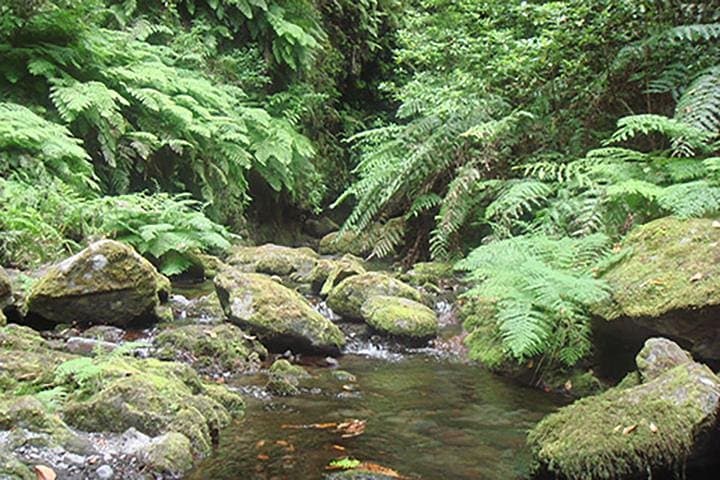
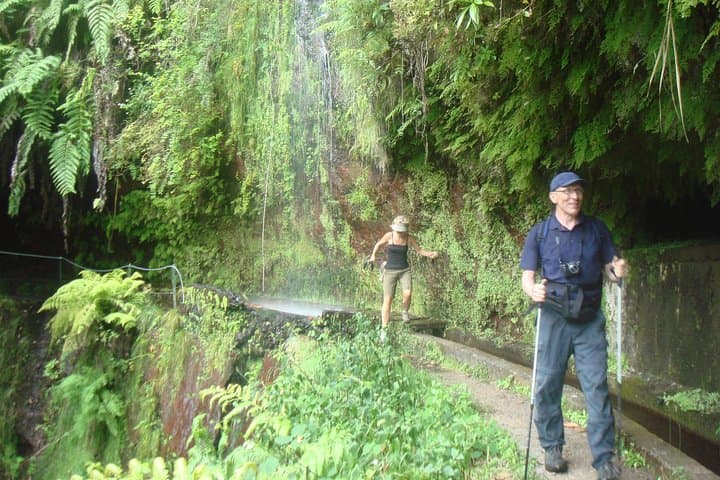
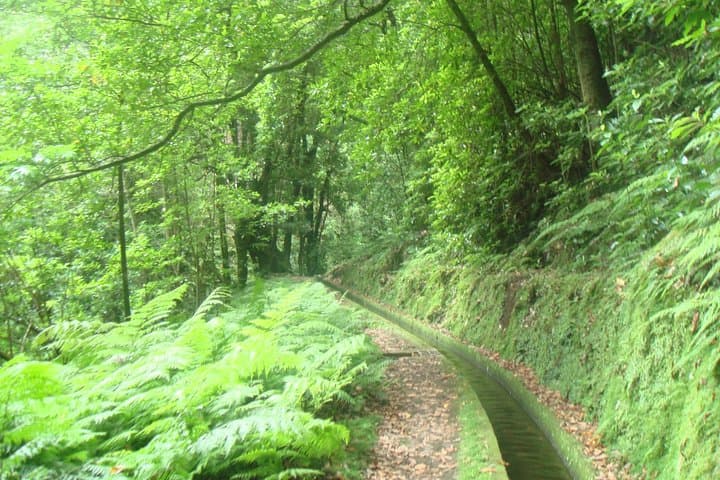

You step off the minibus into the damp hush of the laurisilva—humidity clings to your jacket and the levada’s canal runs like a deliberate line through ferns and moss. The track follows a narrow concrete flume along carved rock, slipping between short, hand-cut tunnels that demand a torch and steady footing. Fields of São Jorge and Santana open above the treeline, terraces and red-roofed houses stitched into steep slopes.
You step off the minibus into the damp hush of the laurisilva—humidity clings to your jacket and the levada’s canal runs like a deliberate line through ferns and moss. The track follows a narrow concrete flume along carved rock, slipping between short, hand-cut tunnels that demand a torch and steady footing. Fields of São Jorge and Santana open above the treeline, terraces and red-roofed houses stitched into steep slopes.
This stretch of northern Madeira carries layers of human and natural history: 19th-century levadas engineered to bring mountain water to coastal farms, and the island’s laurel forest—remnants of a subtropical ecosystem that survived glacial ages. Geologically, the walk rides old volcanic slopes sculpted by erosion; streams like Ribeiro Bonito still cut vivid gorges. Local culture here remains agricultural, with smallholdings, honey and Madeira wine visible from the path.
On this linear route (return by the same trail) expect mixed terrain: levada-side concrete, short earthen sections, and wet rock near tunnels. Light is low inside passages; spray from small waterfalls can slick the surface. Pace for views rather than speed—this is a walk of detail: dripping walls, fern collars, and the constant hum of water.
Practical notes: carry a headlamp and waterproof layers, wear grippy hiking shoes, and plan for 4–8 hours depending on stops. Guides provide local context and hotel transfers; check weather and don’t underestimate the tunnels—bring a spare battery.