THE ADVENTURE COLLECTIVE® · Independent discovery and booking for outdoor travel

Walk through Madeira’s ancient Laurissilva on Levada do Rei to Ribeiro Bonito: a full-day route of mossy tunnels, ridge views and endemic flora. This practical guide explains what to expect, how to prepare, and where to look for hidden viewpoints.
Walk through Madeira’s ancient Laurissilva on Levada do Rei to Ribeiro Bonito: a full-day route of mossy tunnels, ridge views and endemic flora. This practical guide explains what to expect, how to prepare, and where to look for hidden viewpoints.
Fog drifts through the laurel canopy and the levada hums like a small, constant engine pushing you forward. Early on the path, terraces and village roofs peek through moss-draped trees; later the trail slips into the oldest section of Madeira’s Laurissilva, where trunks curve and ferns crowd the banks.
Verified experiences and guided adventures in the surrounding area.
Operated by Ilha Tours · Santana, Madeira
Fog drifts through the laurel canopy and the levada hums like a small, constant engine pushing you forward. Early on the path, terraces and village roofs peek through moss-draped trees; later the trail slips into the oldest section of Madeira’s Laurissilva, where trunks curve and ferns crowd the banks.
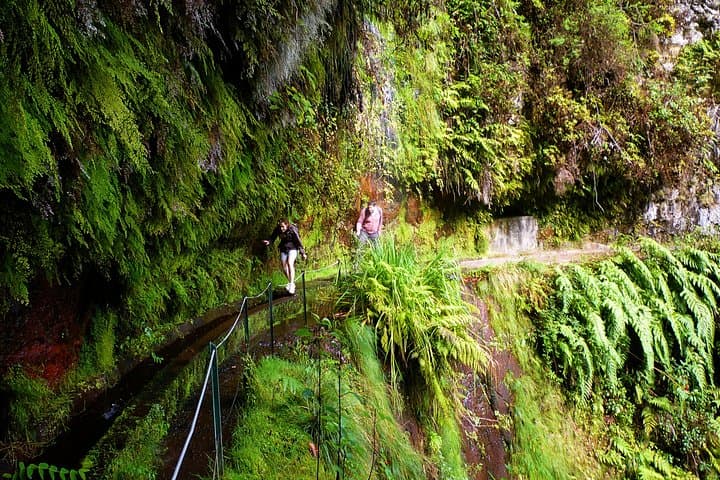
This is Levada do Rei, a route shaped by volcanic slopes and centuries of water engineering. The levada system channels mountain springs across basalt shelves, carving narrow irrigation channels that become walking routes. The Laurissilva here is part of a UNESCO World Heritage area—an Atlantic rainforest relic that sustained local agriculture and shaped island culture since discovery in the 15th century.
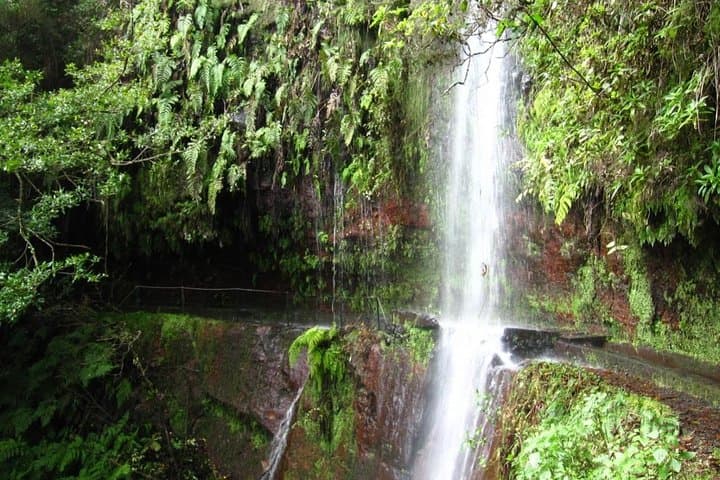
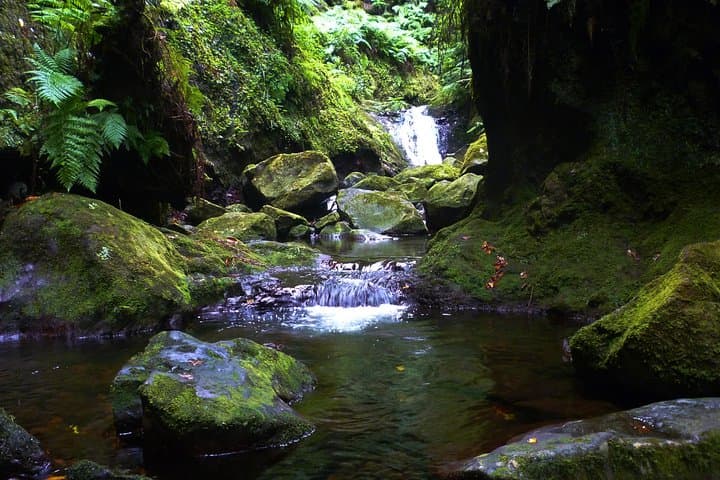
Expect a mix of open ridge views and sheltered forest walking. Streams thread the valley; ferns and endemic heathers press close to the path. Wildlife is discreet—watch for the metallic wing-flash of the Trocaz pigeon and the tiny hop of the Madeira firecrest. Local villages show stone houses with laurel hedges and terraced plots still used for small-scale farming.
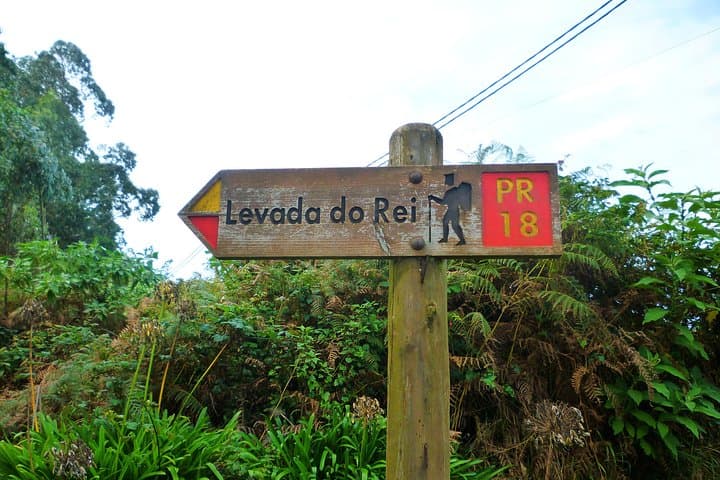
Practical guide: the route is a full-day walk (plan 6–7 hours including stops). Surface is mostly narrow levada paths with occasional rocky or muddy sections; there are no technical climbs but some uneven ground. Carry waterproof layers and at least 1.5–2 liters of water, good grippy footwear, and a headlamp if you plan to explore short side gullies or tunnels. Start early to avoid afternoon rain and to experience the levada when the forest is most alive. Stick to the channels and follow waymarkers—this landscape is fragile and best enjoyed with a light footprint.
moderate.
6–7 hours.
Suitable for walkers with regular aerobic fitness who can handle several hours of steady walking and uneven terrain.
The guided itinerary runs about 6–7 hours total on the trail sections; allow extra time for transfers and breaks.
Many sections are gentle, but the duration and narrow banks mean supervision is necessary for children and caution for anyone with balance issues.
The trail can be done independently if you have map skills and local directions, but a guide adds safety and interpretation of flora and history.
No technical climbing is required—expect occasional short, uneven stretches and narrow levada banks rather than steep ascents.
The levada network dates to early island settlement—channels diverted mountain springs to terraces and villages, shaping Madeira’s agricultural and social landscape.
Laurissilva is fragile and protected; stick to marked paths, avoid disturbing endemic plants, and follow local guidelines to minimize erosion and contamination.
Ilha Tours operates guided outdoor trips and adventures with an emphasis on safety, stewardship, and memorable experiences.
Fog drifts through the laurel canopy and the levada hums like a small, constant engine pushing you forward. Early on the path, terraces and village roofs peek through moss-draped trees; later the trail slips into the oldest section of Madeira’s Laurissilva, where trunks curve and ferns crowd the banks.
Fog drifts through the laurel canopy and the levada hums like a small, constant engine pushing you forward. Early on the path, terraces and village roofs peek through moss-draped trees; later the trail slips into the oldest section of Madeira’s Laurissilva, where trunks curve and ferns crowd the banks.
This is Levada do Rei, a route shaped by volcanic slopes and centuries of water engineering. The levada system channels mountain springs across basalt shelves, carving narrow irrigation channels that become walking routes. The Laurissilva here is part of a UNESCO World Heritage area—an Atlantic rainforest relic that sustained local agriculture and shaped island culture since discovery in the 15th century.
Expect a mix of open ridge views and sheltered forest walking. Streams thread the valley; ferns and endemic heathers press close to the path. Wildlife is discreet—watch for the metallic wing-flash of the Trocaz pigeon and the tiny hop of the Madeira firecrest. Local villages show stone houses with laurel hedges and terraced plots still used for small-scale farming.
Practical guide: the route is a full-day walk (plan 6–7 hours including stops). Surface is mostly narrow levada paths with occasional rocky or muddy sections; there are no technical climbs but some uneven ground. Carry waterproof layers and at least 1.5–2 liters of water, good grippy footwear, and a headlamp if you plan to explore short side gullies or tunnels. Start early to avoid afternoon rain and to experience the levada when the forest is most alive. Stick to the channels and follow waymarkers—this landscape is fragile and best enjoyed with a light footprint.