THE ADVENTURE COLLECTIVE® · Independent discovery and booking for outdoor travel

Step into a working 19th-century village on the St. John River—costumed interpreters, a water-powered sawmill and over 70,000 artifacts bring New Brunswick’s past to life. Plan 2–3 hours to catch demonstrations, visit the Peddler’s Market and walk the riverbank.
Step into a working 19th-century village on the St. John River—costumed interpreters, a water-powered sawmill and over 70,000 artifacts bring New Brunswick’s past to life. Plan 2–3 hours to catch demonstrations, visit the Peddler’s Market and walk the riverbank.
You step off the gravel path and the river announces itself—current tugging at the bend below as costumed townsfolk move through a village that still keeps the rhythms of the 1800s.
Verified experiences and guided adventures in the surrounding area.
Operated by Kings Landing · Fredericton, New Brunswick
You step off the gravel path and the river announces itself—current tugging at the bend below as costumed townsfolk move through a village that still keeps the rhythms of the 1800s.
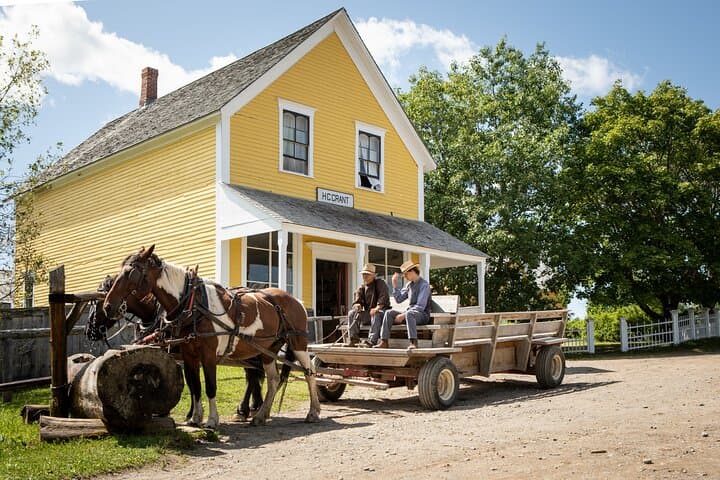
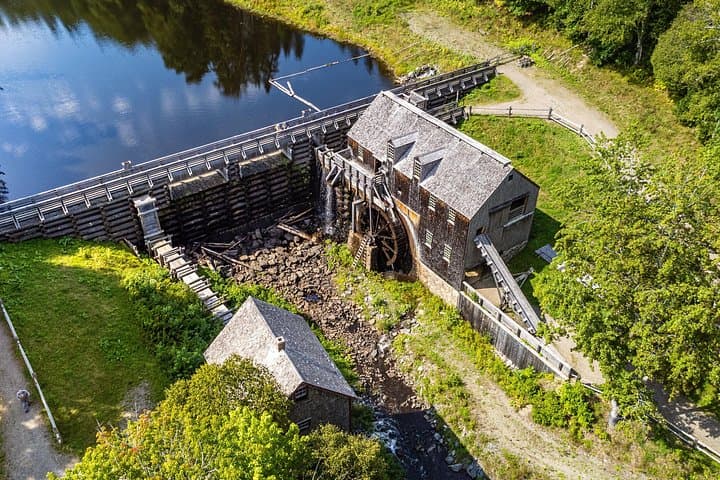
Kings Landing sits on a wide sweep of the St. John River about 20 minutes west of Fredericton. The village recreates the province’s 19th-century rural life with period houses, working shops and a water-powered sawmill that makes lumber the old way. Over 70,000 artifacts anchor stories from Loyalist settlement after the American Revolution through Victorian-era domestic life and the industrial stirrings of the late 19th century.
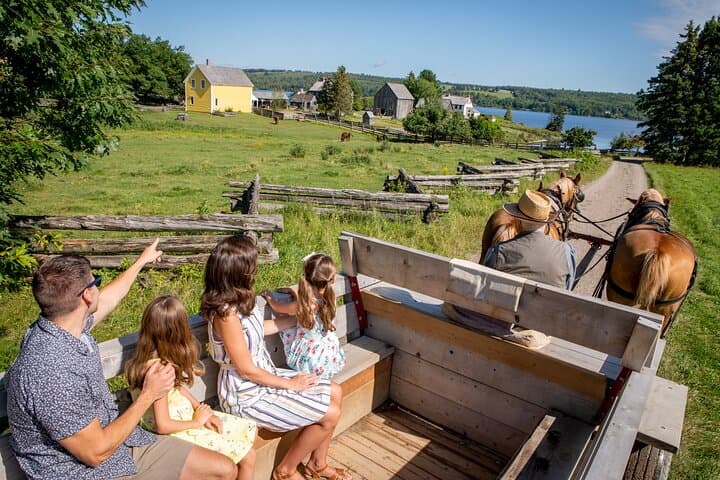
Geology here is quiet: glacially scoured riverbanks and fertile floodplain soil that shaped settlement patterns and powered small mills. Culture is hands-on—interpreters portray real trades and daily chores, and the Peddler’s Market offers locally made goods and food that echo historical recipes. The Kid Zone and wagon rides make the site family-friendly while the museum exhibits provide context before you wander the village.
Practical guide: allow 2–3 hours to see the main exhibits and catch demonstrations; summer is busiest—arrive early to avoid lines. Wear comfortable walking shoes for uneven boards and riverbank paths; layers are useful as breezes off the river can be cool. Accessible routes are available but some historic interiors have narrow thresholds. Bring a reusable water bottle and check the daily schedule for special programs or sawmill demos. Save time for the Peddler’s Market and a slow walk along the river—nature here still nudges the past forward.
easy.
2–3 hours.
Suitable for light walking and families; expect moderate standing and short walks between sites.
Full refunds are available if you cancel at least 24 hours before your scheduled visit; within 24 hours tickets are non-refundable.
Many outdoor routes are stroller-friendly and there is limited accessibility in some exhibits; contact the site for specifics and accessible routing.
Service animals are permitted; general pets are not, though outdoor areas may be visible from paths.
Most visitors spend 2–3 hours to see exhibits, walk the village and catch at least one demonstration.
Kings Landing interprets over 150 years of local history—from Loyalist resettlement after the American Revolution through Victorian domestic and industrial life in rural New Brunswick.
The site cares for a large artifact collection and balances hands-on interpretation with preservation; visitors are asked not to touch artifacts and to follow designated paths to protect fragile landscapes.
Kings Landing operates guided outdoor trips and adventures with an emphasis on safety, stewardship, and memorable experiences.

You step off the gravel path and the river announces itself—current tugging at the bend below as costumed townsfolk move through a village that still keeps the rhythms of the 1800s.
You step off the gravel path and the river announces itself—current tugging at the bend below as costumed townsfolk move through a village that still keeps the rhythms of the 1800s.
Kings Landing sits on a wide sweep of the St. John River about 20 minutes west of Fredericton. The village recreates the province’s 19th-century rural life with period houses, working shops and a water-powered sawmill that makes lumber the old way. Over 70,000 artifacts anchor stories from Loyalist settlement after the American Revolution through Victorian-era domestic life and the industrial stirrings of the late 19th century.
Geology here is quiet: glacially scoured riverbanks and fertile floodplain soil that shaped settlement patterns and powered small mills. Culture is hands-on—interpreters portray real trades and daily chores, and the Peddler’s Market offers locally made goods and food that echo historical recipes. The Kid Zone and wagon rides make the site family-friendly while the museum exhibits provide context before you wander the village.
Practical guide: allow 2–3 hours to see the main exhibits and catch demonstrations; summer is busiest—arrive early to avoid lines. Wear comfortable walking shoes for uneven boards and riverbank paths; layers are useful as breezes off the river can be cool. Accessible routes are available but some historic interiors have narrow thresholds. Bring a reusable water bottle and check the daily schedule for special programs or sawmill demos. Save time for the Peddler’s Market and a slow walk along the river—nature here still nudges the past forward.