THE ADVENTURE COLLECTIVE® · Independent discovery and booking for outdoor travel

Walk two hours through San Antonio’s King William neighborhood to hear the eccentric histories behind its grand 19th-century homes. This guided route combines architectural detail with local stories and practical tips for seeing the district responsibly.
Walk two hours through San Antonio’s King William neighborhood to hear the eccentric histories behind its grand 19th-century homes. This guided route combines architectural detail with local stories and practical tips for seeing the district responsibly.
Morning light threads through plane trees as you step off the gate at the Guenther House and into a neighborhood that still speaks in 19th-century accents. Brick sidewalks tilt and creak, ironwork gates keep their secrets, and broad porches watch the slow life of the river below. The walking tour moves at a conversational pace—two hours of stories, façades and the human oddities that made this quarter famous.
Verified experiences and guided adventures in the surrounding area.
Operated by ALAMO CITY WALKING TOURS · San Antonio, Texas
Morning light threads through plane trees as you step off the gate at the Guenther House and into a neighborhood that still speaks in 19th-century accents. Brick sidewalks tilt and creak, ironwork gates keep their secrets, and broad porches watch the slow life of the river below. The walking tour moves at a conversational pace—two hours of stories, façades and the human oddities that made this quarter famous.
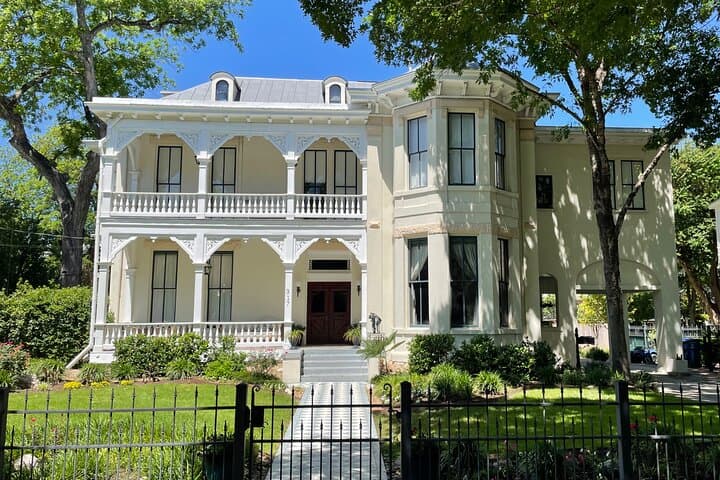
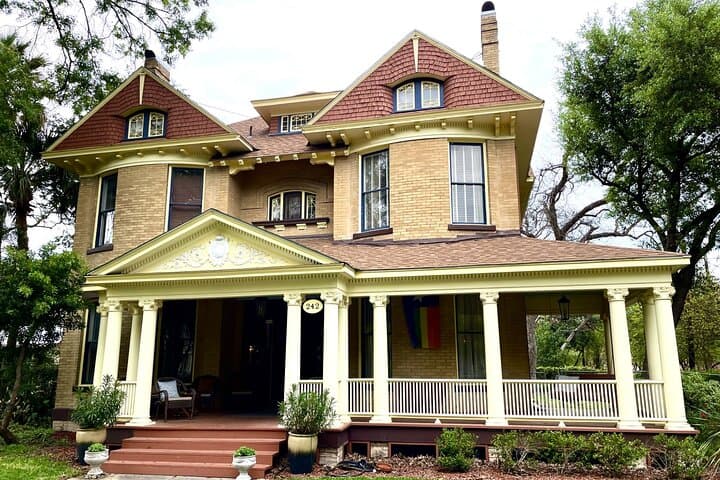
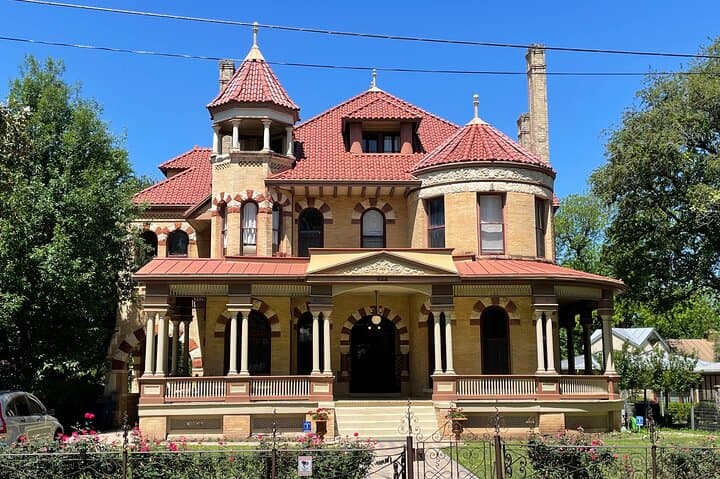
King William began taking shape in the 1840s as German immigrants laid out lots along the San Antonio River. The houses are predominantly Victorian and Greek Revival, built of local limestone and brick; you’ll notice cast-iron details and second-story galleries that hint at both climate and status. The neighborhood’s culture mixes working-class industry and cultured eccentricity—homes of inventors, performers and socialites sit side-by-side.
Geologically the area rests on the Edwards Plateau edge; the river’s presence shaped settlement patterns rather than dramatic relief. Expect cultural nuggets—who introduced the ice cream soda, which house first had electric lights, and why a local character ended up buried in her car.
Practical guidance: the route is mostly sidewalk but uneven in places—good footwear matters. Tours often run mornings; choose early hours in summer to avoid heat. Guides are local storytellers; ask about private gardens you can glimpse but not enter. Hydrate, carry a compact umbrella for sudden storms, and leave drones and flash photography for discretion—this is a living neighborhood, not a museum.
easy.
2 hours.
Suitable for most fitness levels; requires standing and walking on uneven sidewalks for about two hours.
The tour runs approximately two hours and covers a short, easily walkable route through the King William neighborhood.
The operator lists the tour as wheelchair accessible, but notes sidewalks can be uneven—contact the provider ahead to confirm accommodations.
Meet at the gate of the Guenther Restaurant and Museum, 205 E Guenther St; the tour returns to the same meeting point.
No—guides discuss and view exteriors and porches, but tours respect private property and do not include interior visits.
The King William neighborhood grew in the 1840s as German-American settlers built stylish homes along the San Antonio River, forming one of the city's first suburban enclaves.
This is an active residential district—stay on sidewalks, pack out trash, and follow local guidance to help preserve historic structures and private gardens.
ALAMO CITY WALKING TOURS operates guided outdoor trips and adventures with an emphasis on safety, stewardship, and memorable experiences.

Morning light threads through plane trees as you step off the gate at the Guenther House and into a neighborhood that still speaks in 19th-century accents. Brick sidewalks tilt and creak, ironwork gates keep their secrets, and broad porches watch the slow life of the river below. The walking tour moves at a conversational pace—two hours of stories, façades and the human oddities that made this quarter famous.
Morning light threads through plane trees as you step off the gate at the Guenther House and into a neighborhood that still speaks in 19th-century accents. Brick sidewalks tilt and creak, ironwork gates keep their secrets, and broad porches watch the slow life of the river below. The walking tour moves at a conversational pace—two hours of stories, façades and the human oddities that made this quarter famous.
King William began taking shape in the 1840s as German immigrants laid out lots along the San Antonio River. The houses are predominantly Victorian and Greek Revival, built of local limestone and brick; you’ll notice cast-iron details and second-story galleries that hint at both climate and status. The neighborhood’s culture mixes working-class industry and cultured eccentricity—homes of inventors, performers and socialites sit side-by-side.
Geologically the area rests on the Edwards Plateau edge; the river’s presence shaped settlement patterns rather than dramatic relief. Expect cultural nuggets—who introduced the ice cream soda, which house first had electric lights, and why a local character ended up buried in her car.
Practical guidance: the route is mostly sidewalk but uneven in places—good footwear matters. Tours often run mornings; choose early hours in summer to avoid heat. Guides are local storytellers; ask about private gardens you can glimpse but not enter. Hydrate, carry a compact umbrella for sudden storms, and leave drones and flash photography for discretion—this is a living neighborhood, not a museum.