THE ADVENTURE COLLECTIVE® · Independent discovery and booking for outdoor travel

Follow a skilled local guide through Symonds Yat’s dramatic Wye Valley on a 13 km, 300 m ascent day walk that links King Arthur’s Cave, an Iron Age hillfort and riverside viewpoints. Expect varied terrain, riverside views and rich local history.
Follow a skilled local guide through Symonds Yat’s dramatic Wye Valley on a 13 km, 300 m ascent day walk that links King Arthur’s Cave, an Iron Age hillfort and riverside viewpoints. Expect varied terrain, riverside views and rich local history.
A morning mist lifts from the River Wye as the guide calls the group to order outside the village store. Footsteps crunch through leaf litter and mud, gullies sip at the trail’s edge, and the gorge opens—rock faces daring you to look down into the Huntsham Oxbow. This is Symonds Yat: a compact wildness of steep cliffs, ancient woodland and the river threading like a silver line.
Verified experiences and guided adventures in the surrounding area.
Operated by Wales Outdoors - Cardiff · Ross-on-Wye, Herefordshire
A morning mist lifts from the River Wye as the guide calls the group to order outside the village store. Footsteps crunch through leaf litter and mud, gullies sip at the trail’s edge, and the gorge opens—rock faces daring you to look down into the Huntsham Oxbow. This is Symonds Yat: a compact wildness of steep cliffs, ancient woodland and the river threading like a silver line.
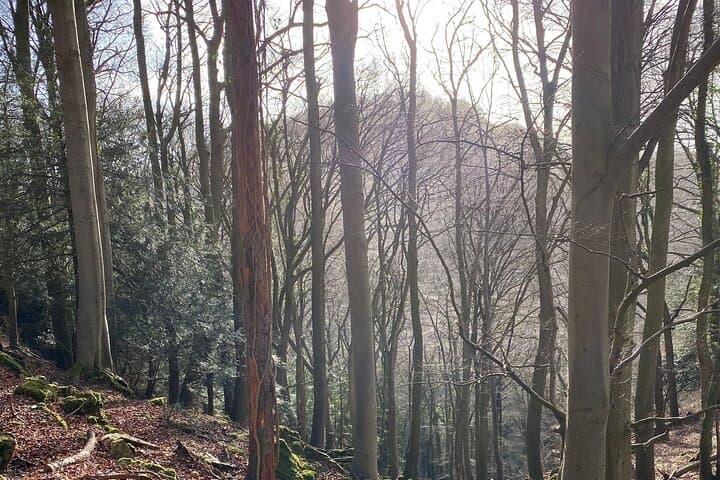
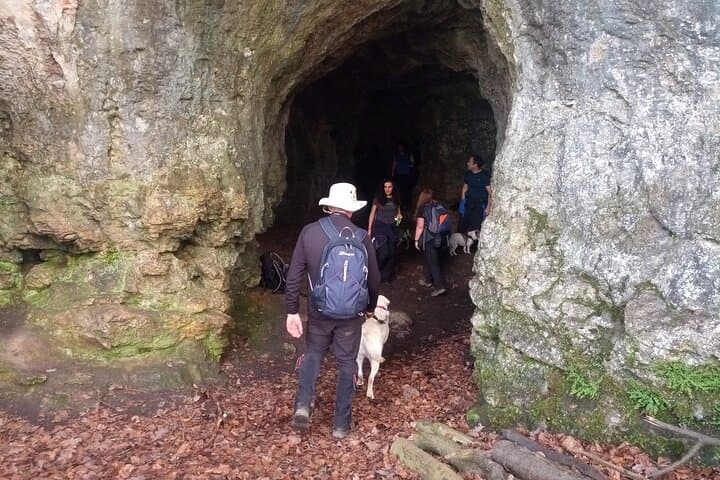
The route threads past King Arthur’s Cave and an Iron Age hillfort long associated with local legend, then crosses lesser-used tracks that reveal the Wye’s industrial past—old quarries and charcoal platforms tucked beneath canopy. Geologically, the valley carves through Carboniferous sandstone and limestone; steep banks and exposed strata produce sudden viewpoints and a variety of microhabitats that support otters, peregrine falcons and veteran oak.
For six hours the walk covers about 13 km with roughly 300 m of ascent over mostly good paths but intermittent rough, muddy and broken ground. Expect narrow woodland paths, a few short steep scrambles and riverside sections where boots get wet.
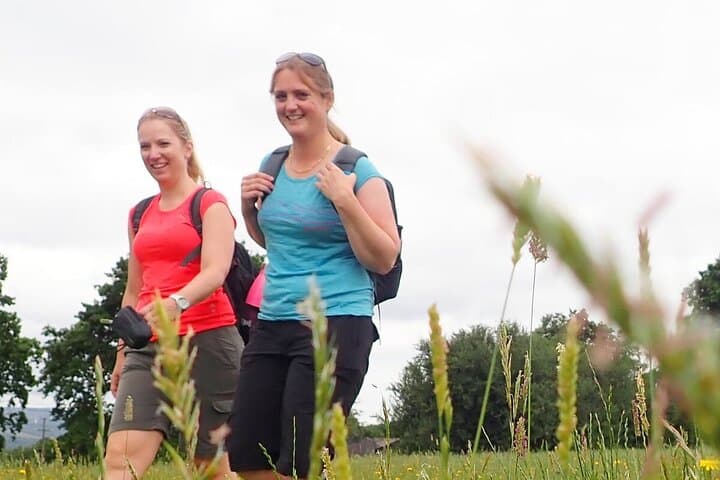
Practical guidance: wear sturdy walking boots, bring waterproof layers and a substantial packed lunch. The route is guided and suitable for people with a moderate fitness level; the leader provides local history and navigates tricky sections. Dogs may accompany the guide’s dog—notify the operator if you prefer otherwise.
Best times are spring to autumn for greenery and views; winter offers stark river light but wetter, slipperier trails. Respect waymarkers, keep to paths to protect archaeology and riparian habitats, and carry out all rubbish—this landscape endures because visitors tread lightly.
moderate.
6 hours.
Moderate cardiovascular fitness and steady walking ability; some experience on uneven terrain helpful
The guided walk is about 13 km with roughly 300 m of total ascent, typically taking around six hours including stops.
Most people with a moderate fitness level can do the route, but families with very young children or anyone with limited mobility should check suitability with the guide first.
Service animals are allowed and the guide may bring a dog; notify the operator ahead of booking if you’re bringing a pet or have concerns.
This operator may cancel in poor weather or for insufficient travelers; all sales are final, so confirm conditions and alternatives before travel.
The Wye Valley shows traces from Iron Age hillforts to 18th–19th century quarrying and river trade; local legend links caves and hills to King Arthur and Vortigern.
Much of the Wye Valley is protected and managed for biodiversity; stick to waymarked paths, control dogs, and avoid disturbing riverbanks to protect nesting birds and riparian habitats.
Wales Outdoors - Cardiff operates guided outdoor trips and adventures with an emphasis on safety, stewardship, and memorable experiences.
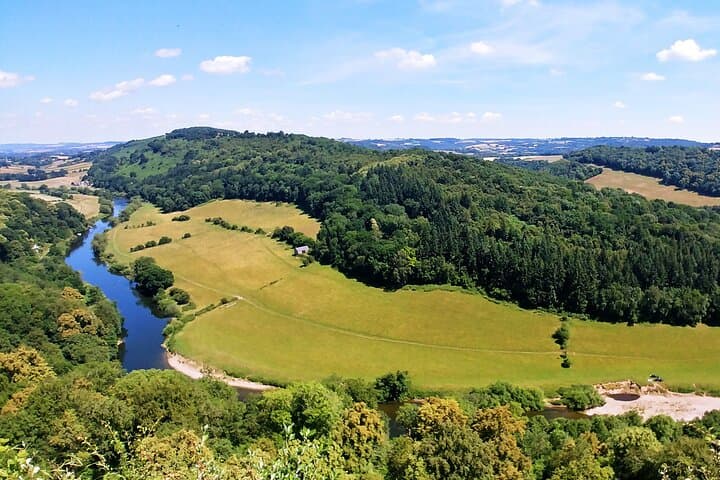
A morning mist lifts from the River Wye as the guide calls the group to order outside the village store. Footsteps crunch through leaf litter and mud, gullies sip at the trail’s edge, and the gorge opens—rock faces daring you to look down into the Huntsham Oxbow. This is Symonds Yat: a compact wildness of steep cliffs, ancient woodland and the river threading like a silver line.
A morning mist lifts from the River Wye as the guide calls the group to order outside the village store. Footsteps crunch through leaf litter and mud, gullies sip at the trail’s edge, and the gorge opens—rock faces daring you to look down into the Huntsham Oxbow. This is Symonds Yat: a compact wildness of steep cliffs, ancient woodland and the river threading like a silver line.
The route threads past King Arthur’s Cave and an Iron Age hillfort long associated with local legend, then crosses lesser-used tracks that reveal the Wye’s industrial past—old quarries and charcoal platforms tucked beneath canopy. Geologically, the valley carves through Carboniferous sandstone and limestone; steep banks and exposed strata produce sudden viewpoints and a variety of microhabitats that support otters, peregrine falcons and veteran oak.
For six hours the walk covers about 13 km with roughly 300 m of ascent over mostly good paths but intermittent rough, muddy and broken ground. Expect narrow woodland paths, a few short steep scrambles and riverside sections where boots get wet.
Practical guidance: wear sturdy walking boots, bring waterproof layers and a substantial packed lunch. The route is guided and suitable for people with a moderate fitness level; the leader provides local history and navigates tricky sections. Dogs may accompany the guide’s dog—notify the operator if you prefer otherwise.
Best times are spring to autumn for greenery and views; winter offers stark river light but wetter, slipperier trails. Respect waymarkers, keep to paths to protect archaeology and riparian habitats, and carry out all rubbish—this landscape endures because visitors tread lightly.