THE ADVENTURE COLLECTIVE® · Independent discovery and booking for outdoor travel

Walk among working windmills while solving GPS puzzles in Kinderdijk. This self‑guided exploration game blends local history, water‑management engineering, and playful challenges across the polder landscape.
Walk among working windmills while solving GPS puzzles in Kinderdijk. This self‑guided exploration game blends local history, water‑management engineering, and playful challenges across the polder landscape.
You step off the paved lane and the river seems to dare you forward — reeds hush, wooden blades slice the wind, and a line of 18th‑century windmills turns with quiet authority. In Kinderdijk, the mills are not scenery but machinery: a visible conversation between people and water that has shaped the lowlands for centuries.
Verified experiences and guided adventures in the surrounding area.
Operated by City Game · Kinderdijk, South Holland
You step off the paved lane and the river seems to dare you forward — reeds hush, wooden blades slice the wind, and a line of 18th‑century windmills turns with quiet authority. In Kinderdijk, the mills are not scenery but machinery: a visible conversation between people and water that has shaped the lowlands for centuries.
The windmills date to the 1700s, built to pump the polder and hold back the Rhine‑Meuse delta. The landscape is engineered peat and clay, crisscrossed by canals and dikes shaped by decades of fighting rising water. Local culture mixes rural farm life with maritime trade; the mills themselves are part museum, part working heritage, and the site is protected as a UNESCO World Heritage location.
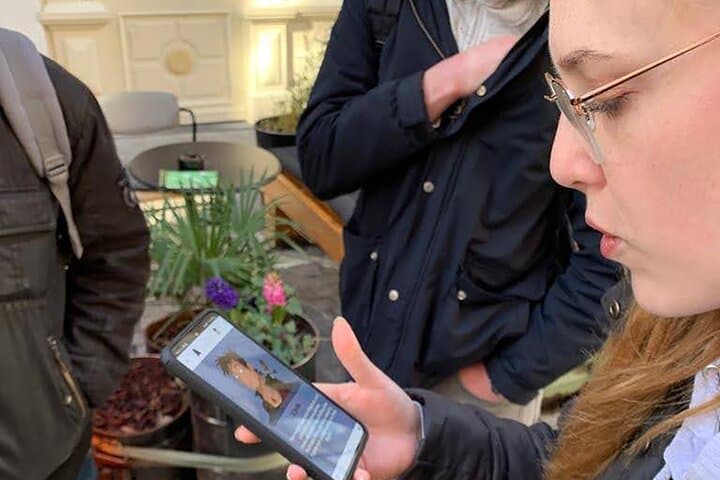
This activity is a self‑guided, GPS‑based exploration game delivered through the Loquiz app. Over roughly two hours, participants solve riddles, complete photo tasks, and follow clues that steer them along towpaths, past ditches, and to viewpoints that reveal how water management and community life intersect. It’s equal parts scavenger hunt and interpretive walk: expect moderate pacing, short walks between stations, and frequent stops to read prompts and capture images.
Practical guidance: bring a fully charged smartphone, a small power bank, and weatherproof layers — wind and rain arrive fast on the polder. Wear grip‑soled shoes for muddy boardwalks. Start early or late afternoon to avoid tour groups and catch softer light for photos. Public transport connects Kinderdijk from Dordrecht and Rotterdam; follow marked paths and respect fences — much of the terrain is private farmland managed for conservation.
moderate.
2 hours.
Light to moderate walking fitness; able to walk variable footing for short bursts over two hours.
One ticket covers a group using a single device—recommended up to four players per ticket; larger groups should buy additional tickets.
Yes; after booking you receive login details and can begin at your chosen time on the booked date.
Parts of the site include boardwalks and uneven towpaths; some sections may be difficult for wheelchairs or strollers—check specific path conditions beforehand.
Full refunds are available if canceled at least 24 hours before the scheduled date; last‑minute cancellations are non‑refundable.
Kinderdijk’s network of 18th‑century windmills exemplifies Dutch polder engineering—mills pumped water to reclaim and drain farmland and remain a UNESCO World Heritage Site.
The area is managed to balance tourism with wetland conservation; stick to paths, avoid trampling reedbeds, and follow local signage to protect nesting birds and delicate canal banks.
City Game operates guided outdoor trips and adventures with an emphasis on safety, stewardship, and memorable experiences.
You step off the paved lane and the river seems to dare you forward — reeds hush, wooden blades slice the wind, and a line of 18th‑century windmills turns with quiet authority. In Kinderdijk, the mills are not scenery but machinery: a visible conversation between people and water that has shaped the lowlands for centuries.
You step off the paved lane and the river seems to dare you forward — reeds hush, wooden blades slice the wind, and a line of 18th‑century windmills turns with quiet authority. In Kinderdijk, the mills are not scenery but machinery: a visible conversation between people and water that has shaped the lowlands for centuries.
The windmills date to the 1700s, built to pump the polder and hold back the Rhine‑Meuse delta. The landscape is engineered peat and clay, crisscrossed by canals and dikes shaped by decades of fighting rising water. Local culture mixes rural farm life with maritime trade; the mills themselves are part museum, part working heritage, and the site is protected as a UNESCO World Heritage location.
This activity is a self‑guided, GPS‑based exploration game delivered through the Loquiz app. Over roughly two hours, participants solve riddles, complete photo tasks, and follow clues that steer them along towpaths, past ditches, and to viewpoints that reveal how water management and community life intersect. It’s equal parts scavenger hunt and interpretive walk: expect moderate pacing, short walks between stations, and frequent stops to read prompts and capture images.
Practical guidance: bring a fully charged smartphone, a small power bank, and weatherproof layers — wind and rain arrive fast on the polder. Wear grip‑soled shoes for muddy boardwalks. Start early or late afternoon to avoid tour groups and catch softer light for photos. Public transport connects Kinderdijk from Dordrecht and Rotterdam; follow marked paths and respect fences — much of the terrain is private farmland managed for conservation.