THE ADVENTURE COLLECTIVE® · Independent discovery and booking for outdoor travel

Capture Kinderdijk’s iconic windmills from dikes, canals and a small boat on a guided 3–4 hour photography tour. Includes museum entrance, a pastry and drink, and a stop at a biological cheese farm.
Capture Kinderdijk’s iconic windmills from dikes, canals and a small boat on a guided 3–4 hour photography tour. Includes museum entrance, a pastry and drink, and a stop at a biological cheese farm.
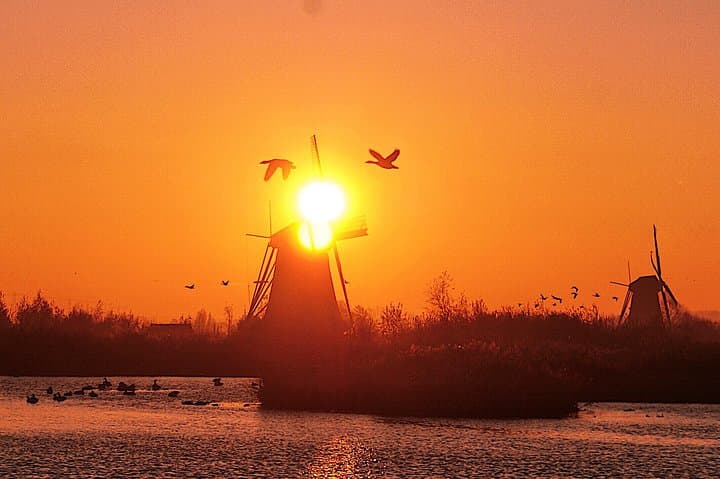
You step onto a narrow dike as the morning light slides across low canals; windmills turn like patient machines and geese thread the reeds, indifferent to human cameras. The air smells of damp earth and fresh pastry; the water dares you to explore its quiet channels. This is Kinderdijk — a living chapter of Dutch water management framed for photographers.
Verified experiences and guided adventures in the surrounding area.
Operated by Travel Kinderdijk · Kinderdijk, South Holland
You step onto a narrow dike as the morning light slides across low canals; windmills turn like patient machines and geese thread the reeds, indifferent to human cameras. The air smells of damp earth and fresh pastry; the water dares you to explore its quiet channels. This is Kinderdijk — a living chapter of Dutch water management framed for photographers.
The windmills date from the 18th century, built to pump polderlands dry and keep the Rhine delta habitable. The landscape is not dramatic height but careful engineering: clay soils, reclaimed fields and a lattice of canals that reveal how people and water have negotiated this place for centuries. Cultural notes: the site is UNESCO-listed, local cheesefarms practice organic methods, and the waterbus network links Kinderdijk with nearby Rotterdam for easy access.
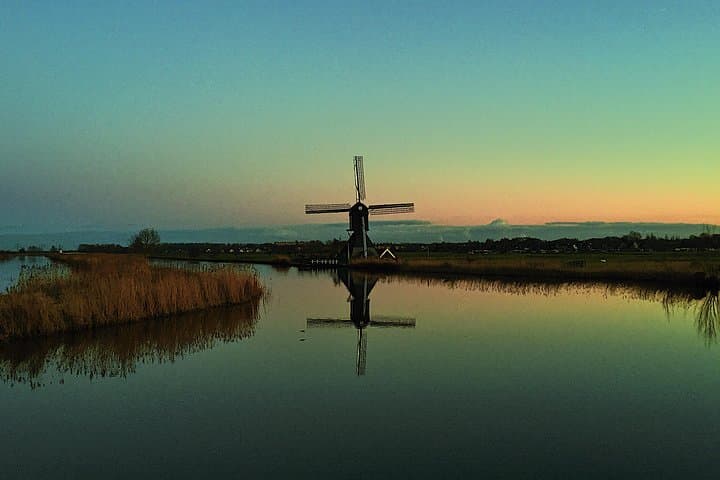
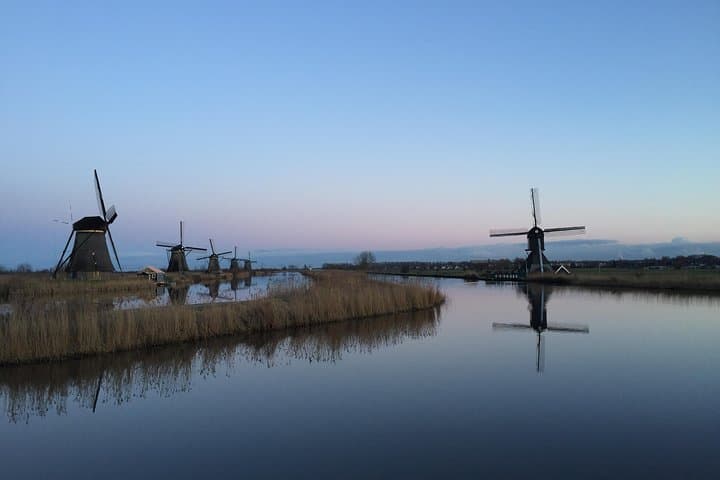
The tour balances composition and context — a guided walk to vantage points, a short boat ride that places the mills in mirror reflections, and a stop inside an authentic working mill and a biological cheese farm (cash or PIN only). Guides speak English and Spanish, and an optional bike swap replaces the boat for a wider loop. Expect 3–4 hours and mostly flat walking, but bring layered clothing — weather shifts quickly on open water.
Practical tips: book a morning slot for softer light and fewer visitors, secure a polarizing filter for reflections, and carry a small daypack with water and rain protection. If you want local cheese, bring cash or a PIN-capable card. The tour is ideal for people with moderate fitness and a desire to photograph engineered landscape and rural Dutch life.
moderate.
3–4 hours.
Moderate fitness; mostly flat walking with some standing on boat and short field paths
Yes — the standard tour includes a round-trip boat ticket; an optional bike rental can replace the boat segment.
Yes — the tour price covers entrance to the visitor windmill and museum as stated in the inclusions.
Yes, but note the farm accepts cash or PIN card payments; major credit cards may not be accepted.
Children 4–12 have reduced rates but the route includes narrow paths and boat boarding, so strollers may be difficult to manage.
Kinderdijk’s 19 windmills were built in the 1700s to drain the Alblasserwaard polder and are now a UNESCO World Heritage site illustrating Dutch hydraulic engineering.
The site balances tourism with water-management preservation; visitors are encouraged to stay on paths, respect grazing areas and minimize plastic to protect waterways.
Travel Kinderdijk operates guided outdoor trips and adventures with an emphasis on safety, stewardship, and memorable experiences.

You step onto a narrow dike as the morning light slides across low canals; windmills turn like patient machines and geese thread the reeds, indifferent to human cameras. The air smells of damp earth and fresh pastry; the water dares you to explore its quiet channels. This is Kinderdijk — a living chapter of Dutch water management framed for photographers.
You step onto a narrow dike as the morning light slides across low canals; windmills turn like patient machines and geese thread the reeds, indifferent to human cameras. The air smells of damp earth and fresh pastry; the water dares you to explore its quiet channels. This is Kinderdijk — a living chapter of Dutch water management framed for photographers.
The windmills date from the 18th century, built to pump polderlands dry and keep the Rhine delta habitable. The landscape is not dramatic height but careful engineering: clay soils, reclaimed fields and a lattice of canals that reveal how people and water have negotiated this place for centuries. Cultural notes: the site is UNESCO-listed, local cheesefarms practice organic methods, and the waterbus network links Kinderdijk with nearby Rotterdam for easy access.
The tour balances composition and context — a guided walk to vantage points, a short boat ride that places the mills in mirror reflections, and a stop inside an authentic working mill and a biological cheese farm (cash or PIN only). Guides speak English and Spanish, and an optional bike swap replaces the boat for a wider loop. Expect 3–4 hours and mostly flat walking, but bring layered clothing — weather shifts quickly on open water.
Practical tips: book a morning slot for softer light and fewer visitors, secure a polarizing filter for reflections, and carry a small daypack with water and rain protection. If you want local cheese, bring cash or a PIN-capable card. The tour is ideal for people with moderate fitness and a desire to photograph engineered landscape and rural Dutch life.