THE ADVENTURE COLLECTIVE® · Independent discovery and booking for outdoor travel

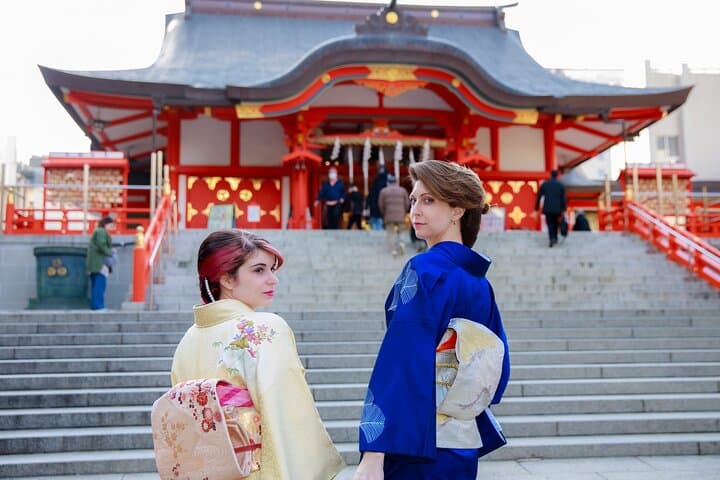
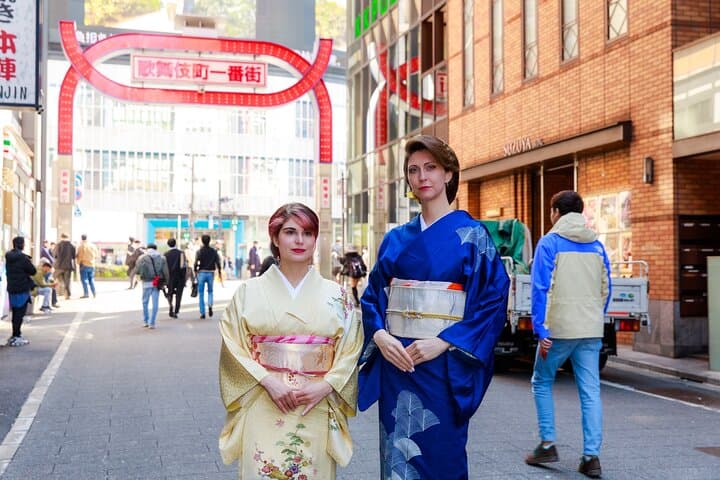
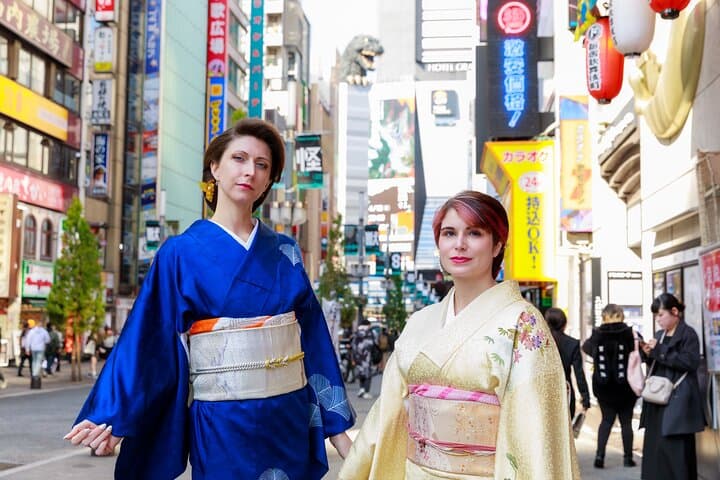
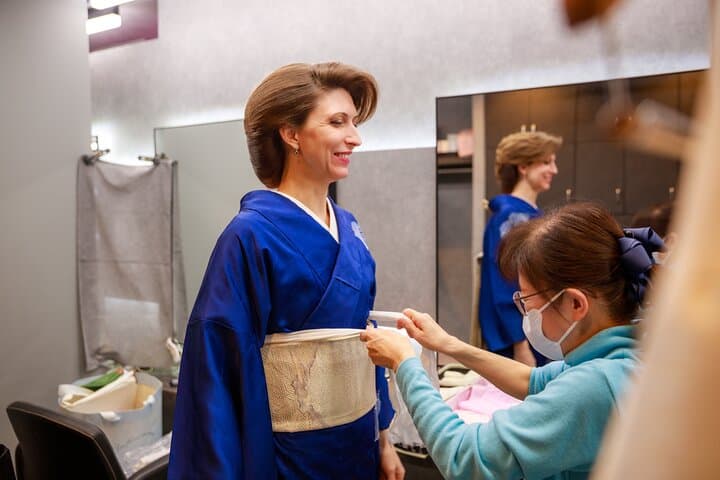
Step through Kabukicho in a traditional kimono and see the neighborhood’s two faces: buzzing nightlife and centuries-old shrine calm. This private two-hour walk includes dressing, hair styling, photo stops, and a visit to Hanazono Shrine.
Step through Kabukicho in a traditional kimono and see the neighborhood’s two faces: buzzing nightlife and centuries-old shrine calm. This private two-hour walk includes dressing, hair styling, photo stops, and a visit to Hanazono Shrine.
A late-afternoon in Kabukicho feels kinetic: neon signs pulse as you step out in kimono, the silk swaying against the hum of crosswalks and vendors. The guide leads you through narrow lanes where laughter and pachinko clatter mix, and the Hanazono Shrine waits like an older neighbor, quiet and moss-scented, offering a measured counterpoint to the district’s electric pace.
Verified experiences and guided adventures in the surrounding area.
Operated by Smappa! Group · Shinjuku, Tokyo
A late-afternoon in Kabukicho feels kinetic: neon signs pulse as you step out in kimono, the silk swaying against the hum of crosswalks and vendors. The guide leads you through narrow lanes where laughter and pachinko clatter mix, and the Hanazono Shrine waits like an older neighbor, quiet and moss-scented, offering a measured counterpoint to the district’s electric pace.
Kabukicho grew after World War II into Tokyo’s nightlife quarter; today the streets show layered histories—postwar development, entertainment culture, and pockets of traditional commerce. Hanazono Shrine, with Edo-era ties, anchors this modern sprawl, hosting seasonal festivals and small market stalls. The local geology is urban—man-made terraces and reclaimed plots—so your route favors paved alleys, stone steps and small shrine courtyards rather than natural trails.
Culturally, wearing a kimono in the district changes the exchange: vendors and locals often respond differently, and the walk includes a stop at the Shinjuku Kabukicho Noh Stage, a reminder that theater and performance have long shaped the neighborhood. Expect photo stops, respectful shrine etiquette, and a chance to observe hair styling and kimono dressing up close.
Practical guidance: the experience is short (about two hours) and easy on the legs but requires following size restrictions and communicating sizes ahead of time. Bring a compact bag for personal items, wear slip-on shoes for quick changes, and plan the walk outside rush-hour for better photos and calmer streets. Hydrate, carry cash for small shrine offerings, and be prepared to remove shoes when entering inner shrine spaces.
easy.
2 hours.
Suitable for most people; requires standing during dressing and walking short urban distances
This tour is currently offered as a women’s only experience; check with the operator for any future mixed-gender options.
No—walking is limited and urban; most guests find it easy, though you should be comfortable standing during the dressing and photo sessions.
Yes—photography is welcomed on the route and at Hanazono Shrine; follow any location rules your guide provides.
Yes—participants are asked to provide height and waist measurements in advance; sizes generally accommodate roughly 145–170 cm height and up to 95 cm waist.
Kabukicho emerged as a postwar entertainment district while Hanazono Shrine has served local worshippers for centuries, linking Shinto practice to the area’s evolving urban life.
Respect shrine grounds by not leaving litter or stepping on planted areas; kimono fabrics should be handled carefully and laundered per operator guidance to reduce wear.
Smappa! Group operates guided outdoor trips and adventures with an emphasis on safety, stewardship, and memorable experiences.
A late-afternoon in Kabukicho feels kinetic: neon signs pulse as you step out in kimono, the silk swaying against the hum of crosswalks and vendors. The guide leads you through narrow lanes where laughter and pachinko clatter mix, and the Hanazono Shrine waits like an older neighbor, quiet and moss-scented, offering a measured counterpoint to the district’s electric pace.
A late-afternoon in Kabukicho feels kinetic: neon signs pulse as you step out in kimono, the silk swaying against the hum of crosswalks and vendors. The guide leads you through narrow lanes where laughter and pachinko clatter mix, and the Hanazono Shrine waits like an older neighbor, quiet and moss-scented, offering a measured counterpoint to the district’s electric pace.
Kabukicho grew after World War II into Tokyo’s nightlife quarter; today the streets show layered histories—postwar development, entertainment culture, and pockets of traditional commerce. Hanazono Shrine, with Edo-era ties, anchors this modern sprawl, hosting seasonal festivals and small market stalls. The local geology is urban—man-made terraces and reclaimed plots—so your route favors paved alleys, stone steps and small shrine courtyards rather than natural trails.
Culturally, wearing a kimono in the district changes the exchange: vendors and locals often respond differently, and the walk includes a stop at the Shinjuku Kabukicho Noh Stage, a reminder that theater and performance have long shaped the neighborhood. Expect photo stops, respectful shrine etiquette, and a chance to observe hair styling and kimono dressing up close.
Practical guidance: the experience is short (about two hours) and easy on the legs but requires following size restrictions and communicating sizes ahead of time. Bring a compact bag for personal items, wear slip-on shoes for quick changes, and plan the walk outside rush-hour for better photos and calmer streets. Hydrate, carry cash for small shrine offerings, and be prepared to remove shoes when entering inner shrine spaces.