THE ADVENTURE COLLECTIVE® · Independent discovery and booking for outdoor travel

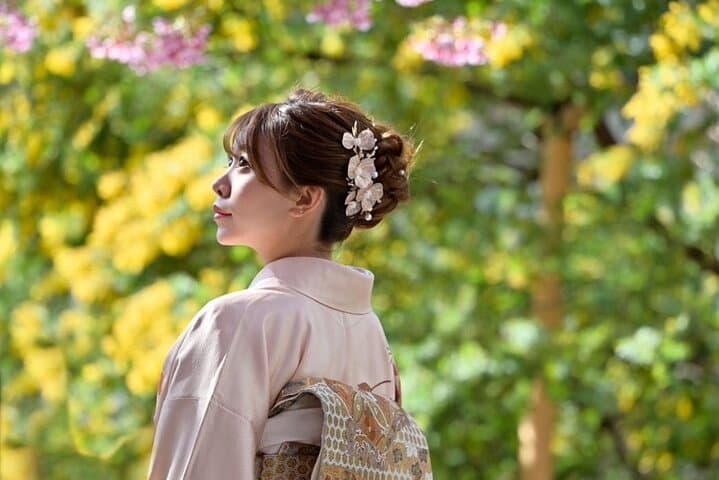
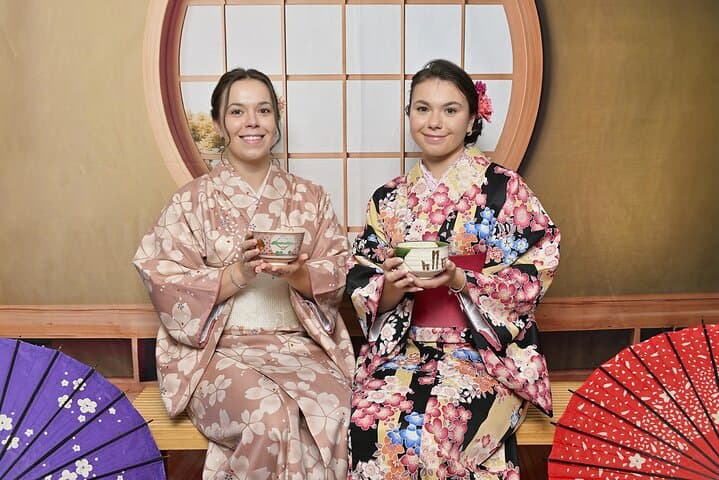
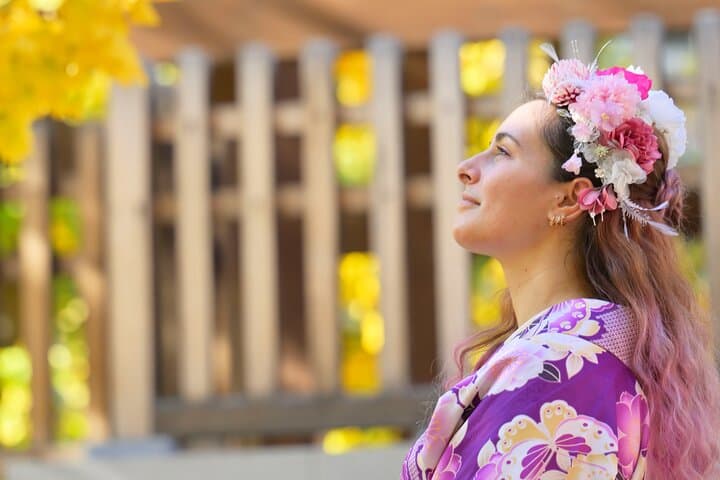
Try on a traditional kimono, learn a brief matcha ritual, and stroll Asakusa’s historic lanes with optional pro photos near Sensoji Temple. This two-hour cultural session blends hands-on dressing with accessible, photogenic exploration.
Try on a traditional kimono, learn a brief matcha ritual, and stroll Asakusa’s historic lanes with optional pro photos near Sensoji Temple. This two-hour cultural session blends hands-on dressing with accessible, photogenic exploration.
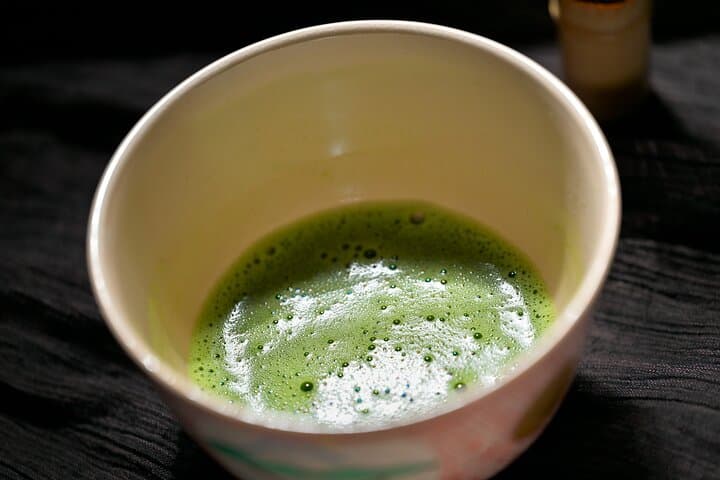
You step out of a small shop on a narrow Asakusa lane, silk folds settling around your shoulders, wooden geta tapping softly on flagstone. Lanterns from the nearby Sensoji Temple lean over the street and the Sumida River, which seems to nudge visitors toward its bridges and riverside paths. The kimono’s obi holds its shape while a warm bowl of matcha waits as a quiet introduction to Japanese tea etiquette.
Verified experiences and guided adventures in the surrounding area.
Operated by 着物レンタル結衣 · Asakusa, Tokyo
You step out of a small shop on a narrow Asakusa lane, silk folds settling around your shoulders, wooden geta tapping softly on flagstone. Lanterns from the nearby Sensoji Temple lean over the street and the Sumida River, which seems to nudge visitors toward its bridges and riverside paths. The kimono’s obi holds its shape while a warm bowl of matcha waits as a quiet introduction to Japanese tea etiquette.
Asakusa’s streets carry the imprint of Edo-period entertainment districts; Sensoji itself dates to the 7th century and still draws prayer and foot traffic. The neighborhood sits on Tokyo’s low-lying alluvial plain, where the broad Sumida River has shaped promenades and offered photo-ready views of bridges and barges. The kimono experience pairs living craft with everyday urban life: traditional dress, hairstyling, and optional portraiture through lanes that remember geisha, festivals, and river traders.
Practically: the standard session runs about two hours and includes kimono/yukata, obi, geta, handbag and basic hairstyling; a 30–60 minute photo add-on brings a photographer to scenic spots around Sensoji and the Sumida River. The shop accommodates children (from 1 year) and wheelchair users; note matcha is not served to children under seven. Return the kimono by the shop’s 17:30 deadline. Book mornings for softer light and fewer crowds, and bring a lightweight underlayer for comfort—silk robes can be warm. Respect temple etiquette (no loud behavior, remove footwear where requested) and follow the shop’s guidance for hair and fittings. This is a short cultural immersion that turns a walk through Asakusa into a living portrait of Tokyo history and everyday ritual.
easy.
2 hours.
Light — suitable for people comfortable standing and short walks; minimal exertion required
Yes — the service accommodates children from around 1 year old; note matcha is not served to children under seven due to caffeine.
Yes — the shop and surfaces are wheelchair accessible; notify the provider of accessibility needs when booking.
Standard rental aligns with the two-hour session and must be returned by the shop’s stated deadline (typically 17:30).
A professional photographer accompanies you for 30 or 60 minutes to shoot near Sensoji Temple and the Sumida River; edited digital files are usually delivered within about a week.
Asakusa grew as an Edo-period entertainment and merchant district; Sensoji, founded in the 7th century, remains a focal point for festivals and daily worship.
Shops encourage respectful behavior around temple grounds and waterways; avoid single-use plastics, handle garments carefully to reduce laundering, and follow local waste sorting rules.
着物レンタル結衣 operates guided outdoor trips and adventures with an emphasis on safety, stewardship, and memorable experiences.
You step out of a small shop on a narrow Asakusa lane, silk folds settling around your shoulders, wooden geta tapping softly on flagstone. Lanterns from the nearby Sensoji Temple lean over the street and the Sumida River, which seems to nudge visitors toward its bridges and riverside paths. The kimono’s obi holds its shape while a warm bowl of matcha waits as a quiet introduction to Japanese tea etiquette.
You step out of a small shop on a narrow Asakusa lane, silk folds settling around your shoulders, wooden geta tapping softly on flagstone. Lanterns from the nearby Sensoji Temple lean over the street and the Sumida River, which seems to nudge visitors toward its bridges and riverside paths. The kimono’s obi holds its shape while a warm bowl of matcha waits as a quiet introduction to Japanese tea etiquette.
Asakusa’s streets carry the imprint of Edo-period entertainment districts; Sensoji itself dates to the 7th century and still draws prayer and foot traffic. The neighborhood sits on Tokyo’s low-lying alluvial plain, where the broad Sumida River has shaped promenades and offered photo-ready views of bridges and barges. The kimono experience pairs living craft with everyday urban life: traditional dress, hairstyling, and optional portraiture through lanes that remember geisha, festivals, and river traders.
Practically: the standard session runs about two hours and includes kimono/yukata, obi, geta, handbag and basic hairstyling; a 30–60 minute photo add-on brings a photographer to scenic spots around Sensoji and the Sumida River. The shop accommodates children (from 1 year) and wheelchair users; note matcha is not served to children under seven. Return the kimono by the shop’s 17:30 deadline. Book mornings for softer light and fewer crowds, and bring a lightweight underlayer for comfort—silk robes can be warm. Respect temple etiquette (no loud behavior, remove footwear where requested) and follow the shop’s guidance for hair and fittings. This is a short cultural immersion that turns a walk through Asakusa into a living portrait of Tokyo history and everyday ritual.