THE ADVENTURE COLLECTIVE® · Independent discovery and booking for outdoor travel

Try on traditional kimono in the heart of Gion and step out into Kyoto’s historic streets ready to explore. This quick, professionally assisted rental is ideal for short sightseeing stops near Gion-Shijo Station.
Try on traditional kimono in the heart of Gion and step out into Kyoto’s historic streets ready to explore. This quick, professionally assisted rental is ideal for short sightseeing stops near Gion-Shijo Station.
The wooden lattices of Gion blur past as you step from the shop into an alley where willows along the Kamo River lean like old friends watching the city move. Inside RikaWafuku Gion the atmosphere tightens into focused craft: bolts of silk, lacquered geta, and the quiet concentration of dressers arranging obi knots. The experience places you in Kyoto’s living quarter of geisha culture without the need for prior knowledge.
Verified experiences and guided adventures in the surrounding area.
Operated by Kyoto: Kimono Rental in Gion Provided by RikaWafuku · Kyoto, Kyoto Prefecture
The wooden lattices of Gion blur past as you step from the shop into an alley where willows along the Kamo River lean like old friends watching the city move. Inside RikaWafuku Gion the atmosphere tightens into focused craft: bolts of silk, lacquered geta, and the quiet concentration of dressers arranging obi knots. The experience places you in Kyoto’s living quarter of geisha culture without the need for prior knowledge.
Gion grew around the Yasaka Shrine and the river trade routes of Edo-era Kyoto; kimono styles reflect that layered history—meiji-era cuts, Taisho retro motifs and modern lace hybrids sit side by side. The district’s geology is flat river plain, so sightseeing on foot after dressing is easy; the city’s narrow stone streets and wooden machiya houses encourage slow movement and careful photography.
Practical guidance: plan for 45–70 minutes from arrival to departure. Bring ID for sizing and expect small luggage to be stored; large suitcases may incur fees. Hair setting is included for women only, and some premium accessory add-ons require cash. Footwear (geta) alters gait—practice short walks before crossing busy streets. Respect local etiquette around shrine approaches and residential areas and return the kimono by the agreed time to avoid late fees.
This rental caters to families and couples and is ideal as a short cultural insertion between temple visits. Book early for cherry blossom periods and summer festivals when demand spikes; the rental is instant-confirm and centrally located a two-minute walk from Gion-Shijo Station, making it a practical stop on any Kyoto day.
easy.
45–70 minutes.
You should be able to stand and walk short distances; kimono restricts movement so basic mobility and balance are needed.
Yes—men’s kimono and yukata are available, but hair set services are generally offered only for women.
Typical rental and dressing time is 45–70 minutes; confirm the final return time when booking to avoid late fees.
Children’s kimono are available but not suitable for infants under 3; mention ages when booking to ensure proper sizing.
Small bags can be stored at the shop; large suitcases or carry cases may incur additional charges or be refused.
Gion developed as an entertainment district around Yasaka Shrine and prospered through Edo-period commerce; kimono styles here reflect both conservative ceremonial cuts and 20th-century urban trends.
Wear and care are important—avoid stepping on fragile moss or garden beds while photographing; local shops and temples encourage minimal disruption to residential streets.
Kyoto: Kimono Rental in Gion Provided by RikaWafuku operates guided outdoor trips and adventures with an emphasis on safety, stewardship, and memorable experiences.
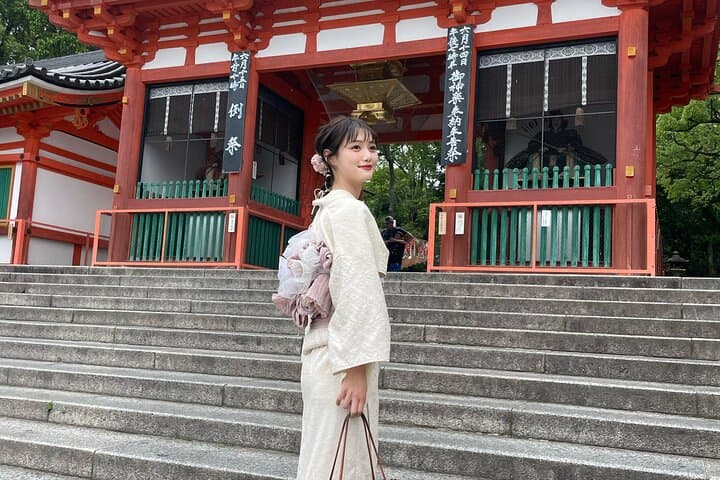

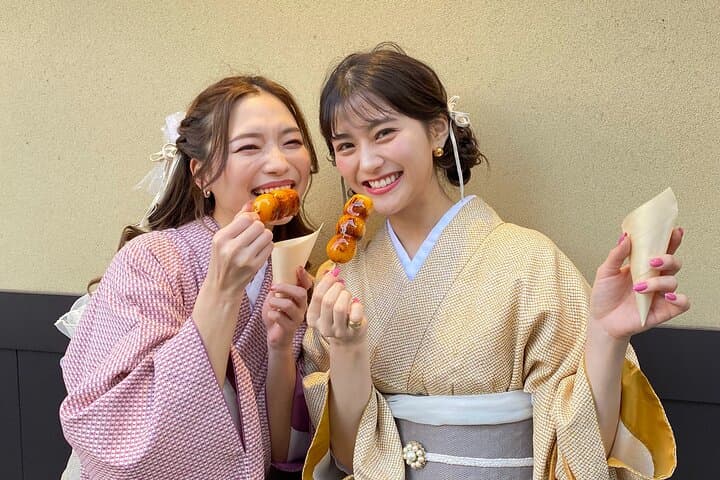
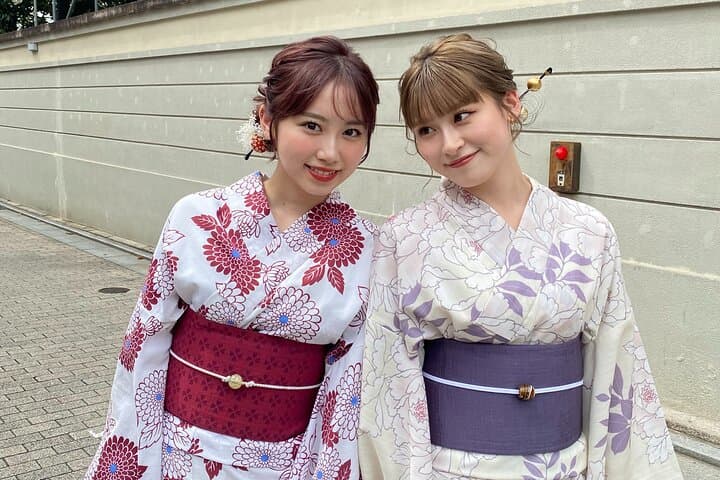
The wooden lattices of Gion blur past as you step from the shop into an alley where willows along the Kamo River lean like old friends watching the city move. Inside RikaWafuku Gion the atmosphere tightens into focused craft: bolts of silk, lacquered geta, and the quiet concentration of dressers arranging obi knots. The experience places you in Kyoto’s living quarter of geisha culture without the need for prior knowledge.
The wooden lattices of Gion blur past as you step from the shop into an alley where willows along the Kamo River lean like old friends watching the city move. Inside RikaWafuku Gion the atmosphere tightens into focused craft: bolts of silk, lacquered geta, and the quiet concentration of dressers arranging obi knots. The experience places you in Kyoto’s living quarter of geisha culture without the need for prior knowledge.
Gion grew around the Yasaka Shrine and the river trade routes of Edo-era Kyoto; kimono styles reflect that layered history—meiji-era cuts, Taisho retro motifs and modern lace hybrids sit side by side. The district’s geology is flat river plain, so sightseeing on foot after dressing is easy; the city’s narrow stone streets and wooden machiya houses encourage slow movement and careful photography.
Practical guidance: plan for 45–70 minutes from arrival to departure. Bring ID for sizing and expect small luggage to be stored; large suitcases may incur fees. Hair setting is included for women only, and some premium accessory add-ons require cash. Footwear (geta) alters gait—practice short walks before crossing busy streets. Respect local etiquette around shrine approaches and residential areas and return the kimono by the agreed time to avoid late fees.
This rental caters to families and couples and is ideal as a short cultural insertion between temple visits. Book early for cherry blossom periods and summer festivals when demand spikes; the rental is instant-confirm and centrally located a two-minute walk from Gion-Shijo Station, making it a practical stop on any Kyoto day.