THE ADVENTURE COLLECTIVE® · Independent discovery and booking for outdoor travel

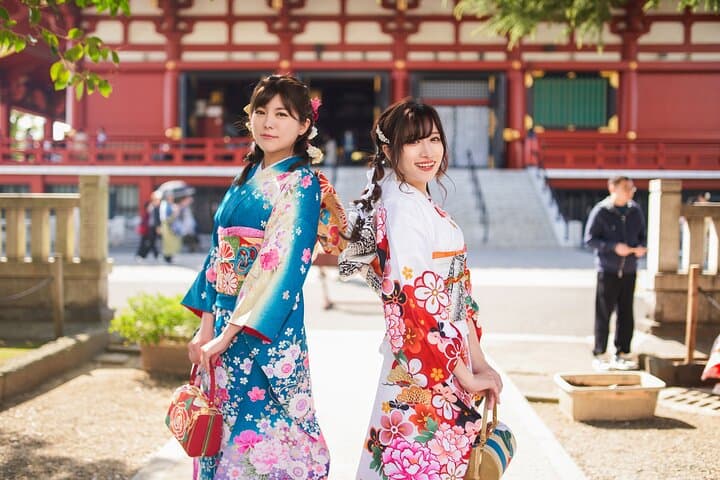
Change into a kimono just a minute from Sensoji Temple and step back into Edo-period streets. This hands-on rental and styling experience includes professional dressing, basic hairstyling, and time to explore Asakusa in traditional dress.
Change into a kimono just a minute from Sensoji Temple and step back into Edo-period streets. This hands-on rental and styling experience includes professional dressing, basic hairstyling, and time to explore Asakusa in traditional dress.
You step out of the narrow shop and the scent of incense meets the morning air; Sensoji’s five-storied pagoda watches as fabric folds and obi tighten around your waist. The neighborhood hums—rickshaws, market calls, and the river that edges Asakusa seeming to tug at visitors to keep exploring.
Verified experiences and guided adventures in the surrounding area.
Operated by 株式会社プランニングジャパン · Tokyo, Tokyo
You step out of the narrow shop and the scent of incense meets the morning air; Sensoji’s five-storied pagoda watches as fabric folds and obi tighten around your waist. The neighborhood hums—rickshaws, market calls, and the river that edges Asakusa seeming to tug at visitors to keep exploring.
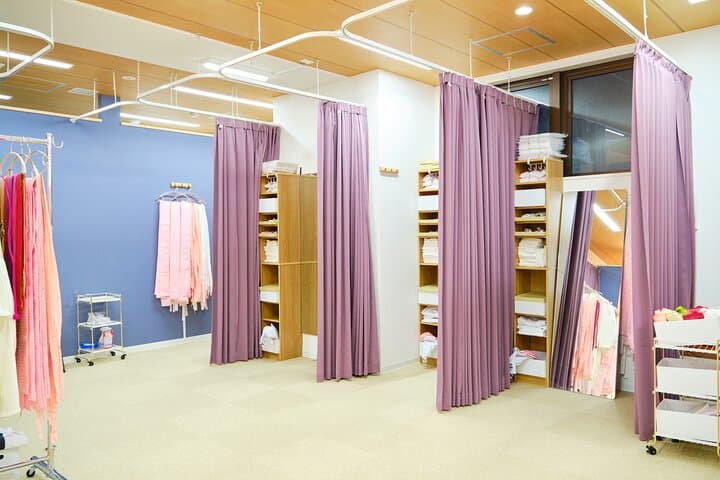
This experience centers on traditional dress: professional kimono teachers guide you through dressing, simple female hairstyling, and basic accessories before you walk to Sensoji Temple a minute away. The kimono itself is a living piece of history—modern versions built on Edo-period tailoring and layered seams that reflect centuries of textile craft. Asakusa sits on alluvial plains of the Sumida River; the flat streets and preserved merchant lanes retain a late-Edo character that makes a kimono feel at home.
Culturally, wearing a kimono here is both a photographic moment and a respectful ritual: modest movement, care for hems, and removing shoes in select places. The shop stores your clothes while you visit the temple and nearby Nakamise-dori.
Practical guidance: book a morning slot to avoid crowds and take advantage of cooler air; allow about six hours for the full experience including travel time. Wear underwear and simple layers that are easy to remove—kimono fit is deliberate and close. If you have mobility issues, tell staff in advance; the package is physically easy but can limit rapid movement. Photography is welcomed, but refrain from entering temple interiors where signs indicate. Cash can help for small purchases and upgrades. Above all, treat the garments gently—these are wearable heritage pieces that ask you to move thoughtfully through the city.
easy.
6 hours.
Minimal fitness required—most walking is gentle but kimono wear can restrict large strides.
The listed program runs about six hours, which includes dressing, styling, storage of your clothes, and time to visit nearby Sensoji Temple.
The operator notes this activity is not recommended for pregnant travelers or those with serious cardiovascular conditions—consult staff before booking.
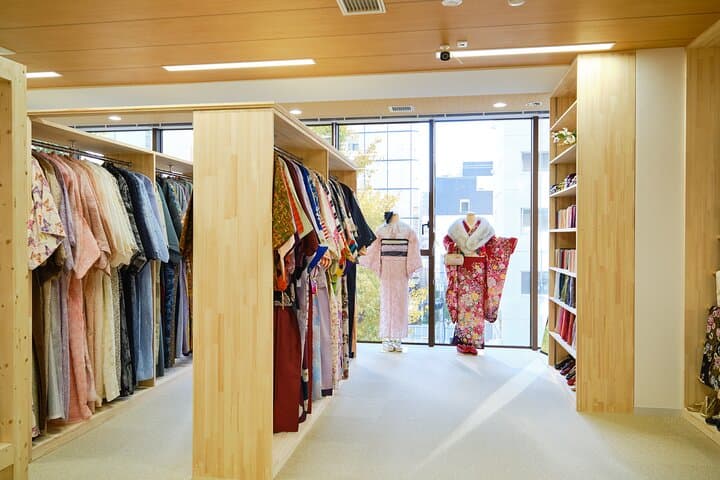
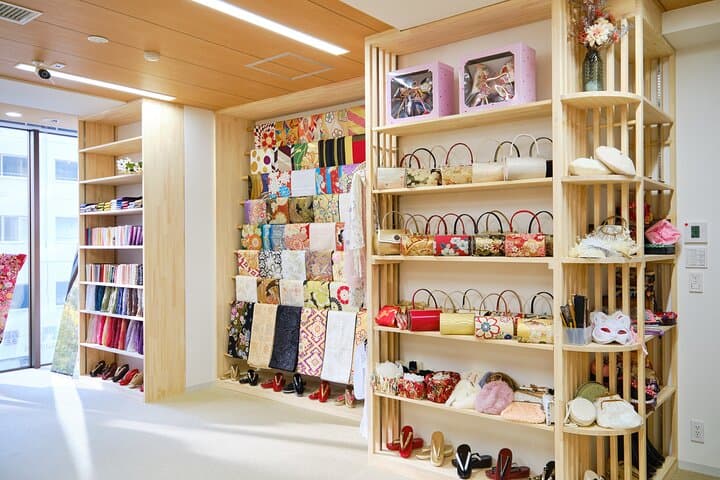
Yes—hundreds of kimono styles are available and upgrades can usually be purchased at the store after arrival; check payment options for upgrades.
The activity is physically easy but kimono wear can limit movement; notify the operator of accessibility needs so they can accommodate where possible.
Sensoji dates to the 7th century and Asakusa grew as an entertainment and merchant quarter through the Edo period, making it a historic backdrop for traditional costume.
Treat rental kimonos gently—many are delicate or handcrafted; support shops that care for textiles and avoid single-use plastic packaging where possible.
株式会社プランニングジャパン operates guided outdoor trips and adventures with an emphasis on safety, stewardship, and memorable experiences.
You step out of the narrow shop and the scent of incense meets the morning air; Sensoji’s five-storied pagoda watches as fabric folds and obi tighten around your waist. The neighborhood hums—rickshaws, market calls, and the river that edges Asakusa seeming to tug at visitors to keep exploring.
You step out of the narrow shop and the scent of incense meets the morning air; Sensoji’s five-storied pagoda watches as fabric folds and obi tighten around your waist. The neighborhood hums—rickshaws, market calls, and the river that edges Asakusa seeming to tug at visitors to keep exploring.
This experience centers on traditional dress: professional kimono teachers guide you through dressing, simple female hairstyling, and basic accessories before you walk to Sensoji Temple a minute away. The kimono itself is a living piece of history—modern versions built on Edo-period tailoring and layered seams that reflect centuries of textile craft. Asakusa sits on alluvial plains of the Sumida River; the flat streets and preserved merchant lanes retain a late-Edo character that makes a kimono feel at home.
Culturally, wearing a kimono here is both a photographic moment and a respectful ritual: modest movement, care for hems, and removing shoes in select places. The shop stores your clothes while you visit the temple and nearby Nakamise-dori.
Practical guidance: book a morning slot to avoid crowds and take advantage of cooler air; allow about six hours for the full experience including travel time. Wear underwear and simple layers that are easy to remove—kimono fit is deliberate and close. If you have mobility issues, tell staff in advance; the package is physically easy but can limit rapid movement. Photography is welcomed, but refrain from entering temple interiors where signs indicate. Cash can help for small purchases and upgrades. Above all, treat the garments gently—these are wearable heritage pieces that ask you to move thoughtfully through the city.