THE ADVENTURE COLLECTIVE® · Independent discovery and booking for outdoor travel

Short on flat walking but long on drama: the Umbwe Route to Kilimanjaro’s Uhuru Peak is a steep, remote six-day climb that rewards fit trekkers with raw alpine scenery and a midnight summit sunrise. Read what to expect and how to prepare.
Short on flat walking but long on drama: the Umbwe Route to Kilimanjaro’s Uhuru Peak is a steep, remote six-day climb that rewards fit trekkers with raw alpine scenery and a midnight summit sunrise. Read what to expect and how to prepare.
You leave Moshi before dawn, headlights slicing through a cool, coffee-scented air as the town falls away and farmland becomes forest. By the time the van grinds to a stop at Umbwe Gate (1,800 m) the rainforest is awake: epiphytes drip, and the trail slips into a green corridor that swallows sound. The Umbwe Route wastes no time gaining height — the single-day ascents are sharp, the trail steep, and the trees tighten around you like a narrowing throat.
Verified experiences and guided adventures in the surrounding area.
Operated by Habari Adventure · Moshi, Kilimanjaro Region
You leave Moshi before dawn, headlights slicing through a cool, coffee-scented air as the town falls away and farmland becomes forest. By the time the van grinds to a stop at Umbwe Gate (1,800 m) the rainforest is awake: epiphytes drip, and the trail slips into a green corridor that swallows sound. The Umbwe Route wastes no time gaining height — the single-day ascents are sharp, the trail steep, and the trees tighten around you like a narrowing throat.
Umbwe is the most direct and demanding walk to Kilimanjaro’s summit. Geologically, you’re climbing an East African stratovolcano whose three peaks — Kibo, Mawenzi and Shira — tell a story of eruptions and glacial retreat. As the forest gives way to heath and then alpine desert, lava-scarred ridges and scree fields replace moss-draped trunks. The Barranco Wall rises like a carved limestone rampart; it looks forbidding until you climb it and realize the route favors savvy footwork over brute force.
Culturally the climb runs through lands long shaped by the Chagga agriculturalists who farm the lower slopes and harvest bananas and coffee. Local guides are more than leaders here: they read microclimates, broker campsites, and translate the mountain’s moods. With glaciers shrinking on Kibo’s summit crater and weather that can swing from sun to sleet in hours, respect for the mountain’s ecology and careful planning are essential.
Practically, the Umbwe Route is a six-day, multi-camp climb with short but steep days early on and a long summit push from Barafu to Uhuru Peak (5,895 m) that begins around midnight. Expect roughly 1,800–2,500 m of cumulative elevation gain across the trip and terrain that shifts from muddy root-strewn forest to loose scree and exposed alpine tundra.
Hydration and pacing matter: drink often, snack frequently, and listen to the guides on rhythm. Layering is crucial — humid heat in the rainforest becomes thin, cold air above 4,000 m. Footwear should be broken-in, stiff-soled boots; trekking poles save knees on the descents. Acclimatization is tight on Umbwe, so physical fitness and prior high-altitude experience reduce risk.
Logistics: most climbs start and finish in Moshi; permits and park fees are handled by operators. Porters carry heavy loads, cooks keep morale high with hot meals, and guides monitor altitude symptoms. Expect rustic campsites, communal meals, and a summit sunrise that turns the crater rim into an arena of relief and fatigue. For those willing to trade gentler slopes for speed and solitude, Umbwe delivers raw, concentrated vertical gain and an undeniably dramatic route to Africa’s rooftop.
difficult.
6 days.
High level of aerobic fitness and experience with sustained uphill hiking; prior high-altitude trekking strongly recommended
Umbwe is steeper and more direct than Machame or Lemosho, with shorter days early on and less time for acclimatization, making it one of the more challenging options.
No technical ice-climbing gear is required for the standard Umbwe route, but crampons and an ice axe are not typically necessary; guides will advise if conditions change.
Summit push from Barafu to Uhuru Peak and down to Mweka can take 12–18 hours depending on pace and conditions — expect a very long day and a late return to Mweka.
While experienced guides can help most fit hikers reach the summit, people with significant medical issues or poor fitness should not attempt Umbwe due to its demanding profile.
Acute mountain sickness can occur; proper hydration, slow pacing, and following guides’ advice are the best mitigations — descents are the treatment if symptoms worsen.
You need Kilimanjaro National Park permits and a valid passport; recommended vaccinations include routine immunizations and Yellow Fever if coming from an endemic country — check current health advisories.
Kilimanjaro’s peaks are the remains of successive volcanic activity; explorers and naturalists have been documenting its flora and glaciers since the 19th century, and the mountain is significant to the Chagga people who farm its lower slopes.
Glacial retreat and changing rainfall patterns threaten high-altitude ecosystems; choose operators that follow Leave No Trace principles and use local porters to support community livelihoods.
Habari Adventure operates guided outdoor trips and adventures with an emphasis on safety, stewardship, and memorable experiences.

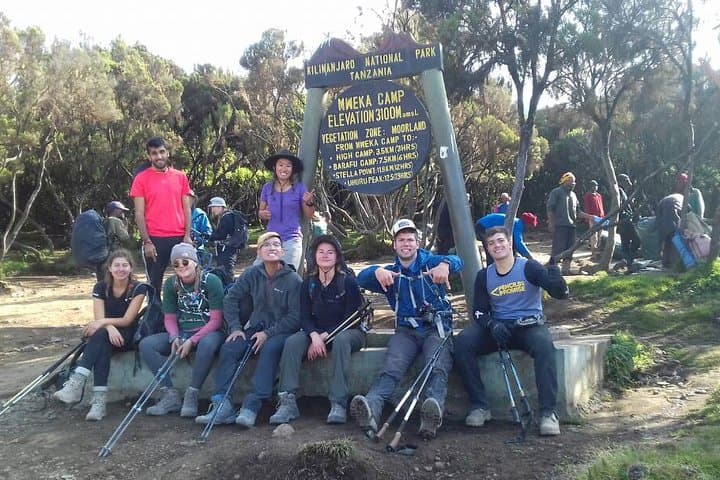


You leave Moshi before dawn, headlights slicing through a cool, coffee-scented air as the town falls away and farmland becomes forest. By the time the van grinds to a stop at Umbwe Gate (1,800 m) the rainforest is awake: epiphytes drip, and the trail slips into a green corridor that swallows sound. The Umbwe Route wastes no time gaining height — the single-day ascents are sharp, the trail steep, and the trees tighten around you like a narrowing throat.
You leave Moshi before dawn, headlights slicing through a cool, coffee-scented air as the town falls away and farmland becomes forest. By the time the van grinds to a stop at Umbwe Gate (1,800 m) the rainforest is awake: epiphytes drip, and the trail slips into a green corridor that swallows sound. The Umbwe Route wastes no time gaining height — the single-day ascents are sharp, the trail steep, and the trees tighten around you like a narrowing throat.
Umbwe is the most direct and demanding walk to Kilimanjaro’s summit. Geologically, you’re climbing an East African stratovolcano whose three peaks — Kibo, Mawenzi and Shira — tell a story of eruptions and glacial retreat. As the forest gives way to heath and then alpine desert, lava-scarred ridges and scree fields replace moss-draped trunks. The Barranco Wall rises like a carved limestone rampart; it looks forbidding until you climb it and realize the route favors savvy footwork over brute force.
Culturally the climb runs through lands long shaped by the Chagga agriculturalists who farm the lower slopes and harvest bananas and coffee. Local guides are more than leaders here: they read microclimates, broker campsites, and translate the mountain’s moods. With glaciers shrinking on Kibo’s summit crater and weather that can swing from sun to sleet in hours, respect for the mountain’s ecology and careful planning are essential.
Practically, the Umbwe Route is a six-day, multi-camp climb with short but steep days early on and a long summit push from Barafu to Uhuru Peak (5,895 m) that begins around midnight. Expect roughly 1,800–2,500 m of cumulative elevation gain across the trip and terrain that shifts from muddy root-strewn forest to loose scree and exposed alpine tundra.
Hydration and pacing matter: drink often, snack frequently, and listen to the guides on rhythm. Layering is crucial — humid heat in the rainforest becomes thin, cold air above 4,000 m. Footwear should be broken-in, stiff-soled boots; trekking poles save knees on the descents. Acclimatization is tight on Umbwe, so physical fitness and prior high-altitude experience reduce risk.
Logistics: most climbs start and finish in Moshi; permits and park fees are handled by operators. Porters carry heavy loads, cooks keep morale high with hot meals, and guides monitor altitude symptoms. Expect rustic campsites, communal meals, and a summit sunrise that turns the crater rim into an arena of relief and fatigue. For those willing to trade gentler slopes for speed and solitude, Umbwe delivers raw, concentrated vertical gain and an undeniably dramatic route to Africa’s rooftop.