THE ADVENTURE COLLECTIVE® · Independent discovery and booking for outdoor travel

A classic 6-day ascent via the Marangu Route that pairs hut accommodation with a direct summit day. Expect rainforest, moorland and a brutal-but-rewarding alpine desert leading to Uhuru Peak.
A classic 6-day ascent via the Marangu Route that pairs hut accommodation with a direct summit day. Expect rainforest, moorland and a brutal-but-rewarding alpine desert leading to Uhuru Peak.
Night in Moshi dissolves into a diesel-scented morning as the van climbs toward Marangu Gate and the mountain looms: a layered silhouette of forest, heath and stark volcanic desert. On the Marangu Route, hikers move through a living vertical map — rainforest dripping with moss, moorland of giant lobelias, then the cold, wind-swept lunar band near Kibo where scree refuses easy passage and the sunrise from Uhuru Peak steels the body and mind.
Verified experiences and guided adventures in the surrounding area.
Operated by PINNACLE ADVENTURES & SAFARIS LTD. · Moshi, Kilimanjaro Region
Night in Moshi dissolves into a diesel-scented morning as the van climbs toward Marangu Gate and the mountain looms: a layered silhouette of forest, heath and stark volcanic desert. On the Marangu Route, hikers move through a living vertical map — rainforest dripping with moss, moorland of giant lobelias, then the cold, wind-swept lunar band near Kibo where scree refuses easy passage and the sunrise from Uhuru Peak steels the body and mind.
Geologically, Kilimanjaro is an extinct volcanic massif made of three cones: Kibo, Mawenzi and Shira; Kibo holds Uhuru Peak at 5,895 m. The Marangu path is the oldest established route, notable for its hut system and cultural links to the Chagga communities around Moshi, who historically guided and supplied early expeditions.
Expect changing climates on a single trek: humid canopy with colobus monkeys below, brittle alpine desert above. Guides and porters are integral — their knowledge of pace and altitude is as vital as boots and layers. Acclimatization days and a disciplined midnight start for summit push are standard; the summit day is long and steep, mostly scree and volcanic rock.
Practical guidance: train with long uphill hikes and interval sessions, break in waterproof boots, and practice hiking with a loaded daypack. Hydrate, eat consistently, and use a reliable headlamp for summit starts. Respect park rules, tip porters fairly, and budget for a night in Moshi after the descent — your legs will thank you.
challenging.
6 days.
Good aerobic fitness with prior multi-hour hikes and some altitude exposure recommended
No — the Marangu Route requires strong fitness and acclimatization but not technical mountaineering skills; routes are non-technical hiking and scrambling.
The driest, most stable weather tends to be June–October and late December–February; avoid the long rains (March–May) for higher summit success.
Marangu offers basic stone huts with bunk rooms; you do not need a tent for the standard hut option, but bring a warm sleeping bag and a liner.
Acute mountain sickness is possible even for fit hikers; guides monitor symptoms, use acclimatization days, and carry emergency oxygen and first-aid kits — descent is the definitive treatment.
Kilimanjaro National Park, created in the 1970s, protects an isolated volcanic massif whose routes—Marangu among them—were used by early European expeditions and local Chagga porters.
Glacial retreat and changing rainfall patterns highlight climate impacts; stay on trails, pack out waste, and support operators who pay and equip porters fairly.
PINNACLE ADVENTURES & SAFARIS LTD. operates guided outdoor trips and adventures with an emphasis on safety, stewardship, and memorable experiences.
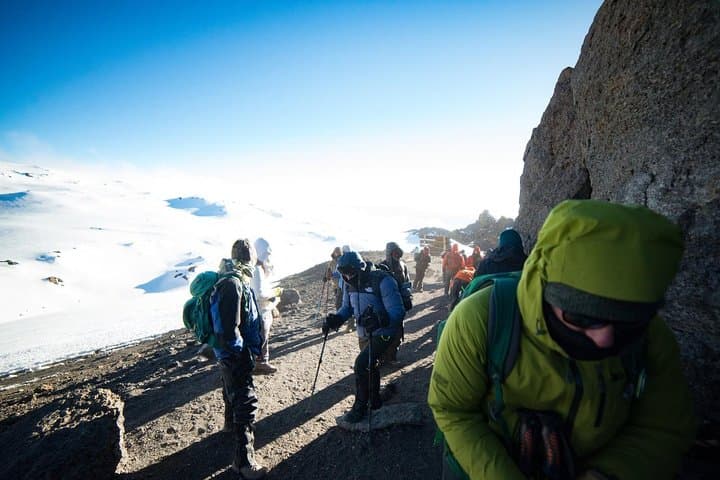
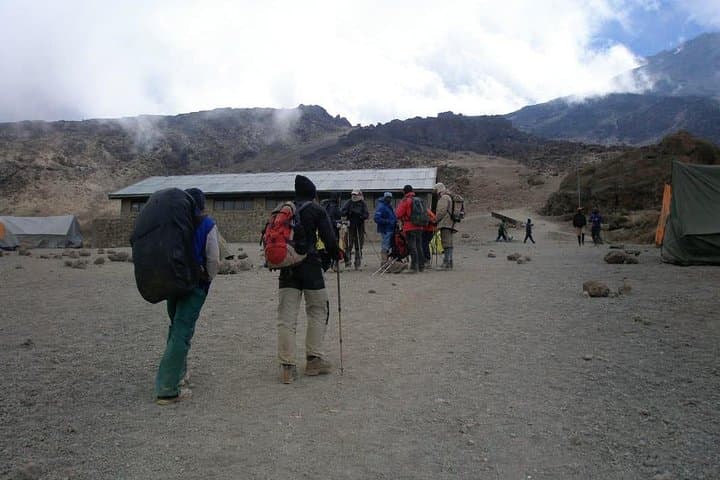
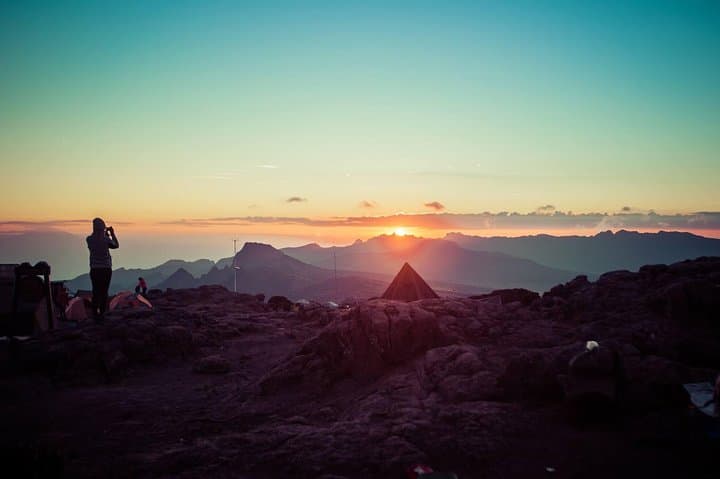
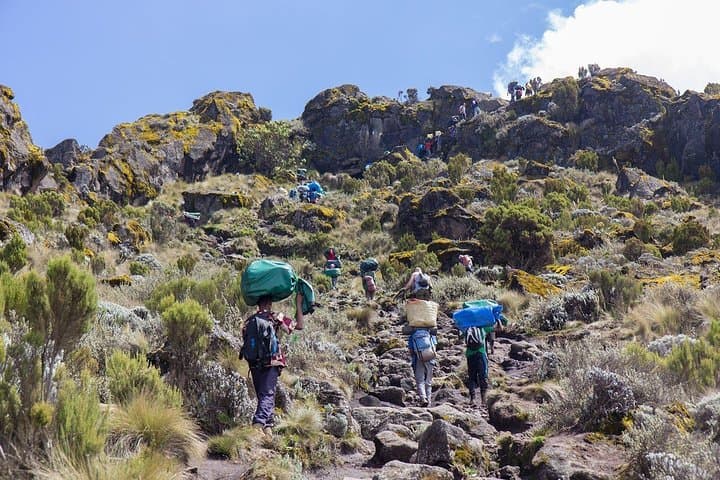
Night in Moshi dissolves into a diesel-scented morning as the van climbs toward Marangu Gate and the mountain looms: a layered silhouette of forest, heath and stark volcanic desert. On the Marangu Route, hikers move through a living vertical map — rainforest dripping with moss, moorland of giant lobelias, then the cold, wind-swept lunar band near Kibo where scree refuses easy passage and the sunrise from Uhuru Peak steels the body and mind.
Night in Moshi dissolves into a diesel-scented morning as the van climbs toward Marangu Gate and the mountain looms: a layered silhouette of forest, heath and stark volcanic desert. On the Marangu Route, hikers move through a living vertical map — rainforest dripping with moss, moorland of giant lobelias, then the cold, wind-swept lunar band near Kibo where scree refuses easy passage and the sunrise from Uhuru Peak steels the body and mind.
Geologically, Kilimanjaro is an extinct volcanic massif made of three cones: Kibo, Mawenzi and Shira; Kibo holds Uhuru Peak at 5,895 m. The Marangu path is the oldest established route, notable for its hut system and cultural links to the Chagga communities around Moshi, who historically guided and supplied early expeditions.
Expect changing climates on a single trek: humid canopy with colobus monkeys below, brittle alpine desert above. Guides and porters are integral — their knowledge of pace and altitude is as vital as boots and layers. Acclimatization days and a disciplined midnight start for summit push are standard; the summit day is long and steep, mostly scree and volcanic rock.
Practical guidance: train with long uphill hikes and interval sessions, break in waterproof boots, and practice hiking with a loaded daypack. Hydrate, eat consistently, and use a reliable headlamp for summit starts. Respect park rules, tip porters fairly, and budget for a night in Moshi after the descent — your legs will thank you.