THE ADVENTURE COLLECTIVE® · Independent discovery and booking for outdoor travel

A four-day, vehicle-based safari linking Tsavo West, Amboseli and Tsavo East with repeated views of Mount Kilimanjaro. Expect early-morning drives, volcanic springs, open plains and concentrated game viewing windows.
A four-day, vehicle-based safari linking Tsavo West, Amboseli and Tsavo East with repeated views of Mount Kilimanjaro. Expect early-morning drives, volcanic springs, open plains and concentrated game viewing windows.
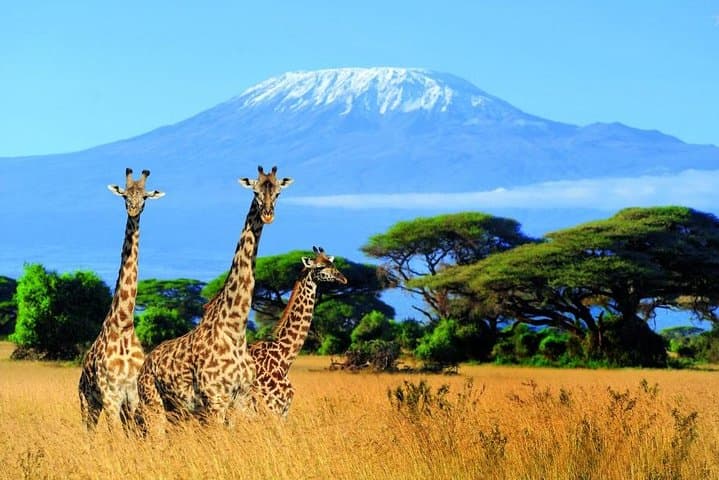
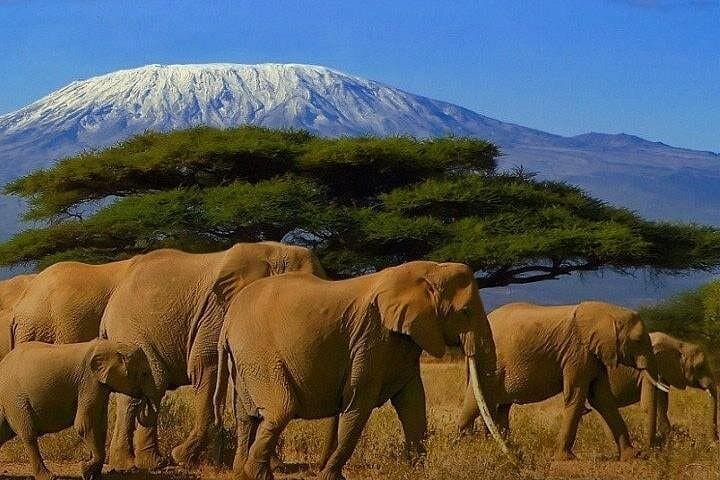
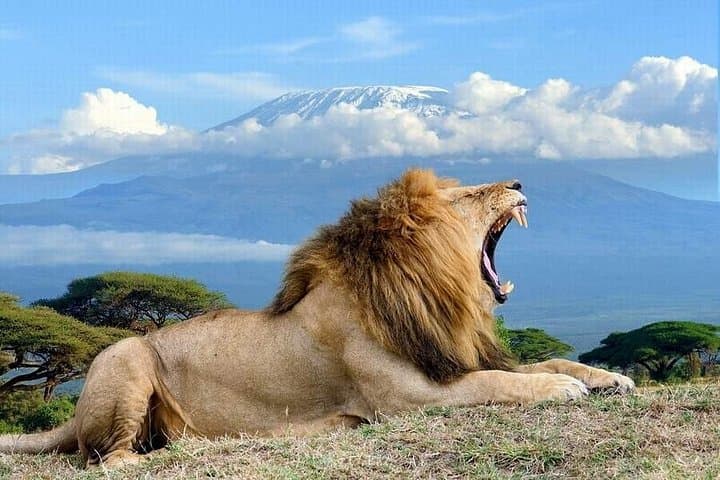
First light on the savanna is abrupt: headlights cut through an indigo horizon, and the first silhouettes of acacia and elephant trunks appear like ink strokes against a sky where Kilimanjaro’s snowy summit hangs over the plains.
Verified experiences and guided adventures in the surrounding area.
Operated by Diani Travel and Tours · Diani Beach, Kwale County
First light on the savanna is abrupt: headlights cut through an indigo horizon, and the first silhouettes of acacia and elephant trunks appear like ink strokes against a sky where Kilimanjaro’s snowy summit hangs over the plains.
This four-day circuit moves from the volcanic springs of Tsavo West, past the clear pools of Mzima, across Amboseli’s open, short-grass basins and into the sweeping red dust of Tsavo East. Geologically these parks record tectonic uplift and lava flows; Mzima’s aquifer-fed pools bubble through fractured basalt while Amboseli’s flat basin is an ancient lakebed that frames Africa’s highest free-standing mountain—Kilimanjaro at 5,895 m—across the Tanzania border.
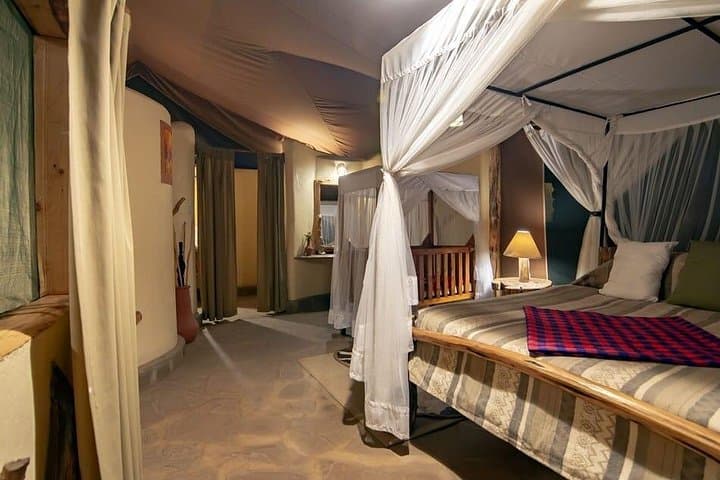
Culturally the route threads through Maa-speaking communities and coastal Kiswahili towns; lodges and camps reflect colonial-era safari styling and modern conservation partnerships with local conservancies. Wildlife rhythms govern the day: pre-dawn drives, sunlit siestas, and slow evening stalks as predators and grazers settle.
Practical guidance: this is a vehicle-based safari with short walks at protected spots, so minimal fitness is required but expect early mornings, bumpy gravel drives and dusty conditions. Carry a daypack with layered sun protection, a good pair of binoculars, charged camera gear, and reusable water. Respect park rules—stay in the vehicle unless a guide says otherwise—and budget for park fees and local guide tips. Optimal viewing windows are dawn and dusk; plan sleep and transfers around early starts to make the most of Kilimanjaro vistas and concentrated game-viewing windows.
easy.
4 days.
Minimal fitness required—most wildlife viewing is from vehicles with short, guided walks possible
No technical fitness is required—most activities are vehicle-based with short, easy guided walks; mobility needs should be disclosed when booking.
Yes—Amboseli offers some of the clearest, closest views when weather permits; mornings and dry-season months give the best visibility.
This itinerary includes meals listed by day but verify whether park entry fees and any additional conservation levies are included in the quoted price before booking.
Carry a valid passport; yellow fever vaccination may be required depending on travel origin—check current health and visa advisories before travel.
Tsavo parks have a layered history of colonial-era conservation, railway-era conflict and modern community partnerships that shaped today’s protected areas.
Rangers, lodges and NGOs run anti-poaching patrols and community programs; visitors help by following park rules and minimizing single-use plastics.
Diani Travel and Tours operates guided outdoor trips and adventures with an emphasis on safety, stewardship, and memorable experiences.
First light on the savanna is abrupt: headlights cut through an indigo horizon, and the first silhouettes of acacia and elephant trunks appear like ink strokes against a sky where Kilimanjaro’s snowy summit hangs over the plains.
First light on the savanna is abrupt: headlights cut through an indigo horizon, and the first silhouettes of acacia and elephant trunks appear like ink strokes against a sky where Kilimanjaro’s snowy summit hangs over the plains.
This four-day circuit moves from the volcanic springs of Tsavo West, past the clear pools of Mzima, across Amboseli’s open, short-grass basins and into the sweeping red dust of Tsavo East. Geologically these parks record tectonic uplift and lava flows; Mzima’s aquifer-fed pools bubble through fractured basalt while Amboseli’s flat basin is an ancient lakebed that frames Africa’s highest free-standing mountain—Kilimanjaro at 5,895 m—across the Tanzania border.
Culturally the route threads through Maa-speaking communities and coastal Kiswahili towns; lodges and camps reflect colonial-era safari styling and modern conservation partnerships with local conservancies. Wildlife rhythms govern the day: pre-dawn drives, sunlit siestas, and slow evening stalks as predators and grazers settle.
Practical guidance: this is a vehicle-based safari with short walks at protected spots, so minimal fitness is required but expect early mornings, bumpy gravel drives and dusty conditions. Carry a daypack with layered sun protection, a good pair of binoculars, charged camera gear, and reusable water. Respect park rules—stay in the vehicle unless a guide says otherwise—and budget for park fees and local guide tips. Optimal viewing windows are dawn and dusk; plan sleep and transfers around early starts to make the most of Kilimanjaro vistas and concentrated game-viewing windows.