THE ADVENTURE COLLECTIVE® · Independent discovery and booking for outdoor travel

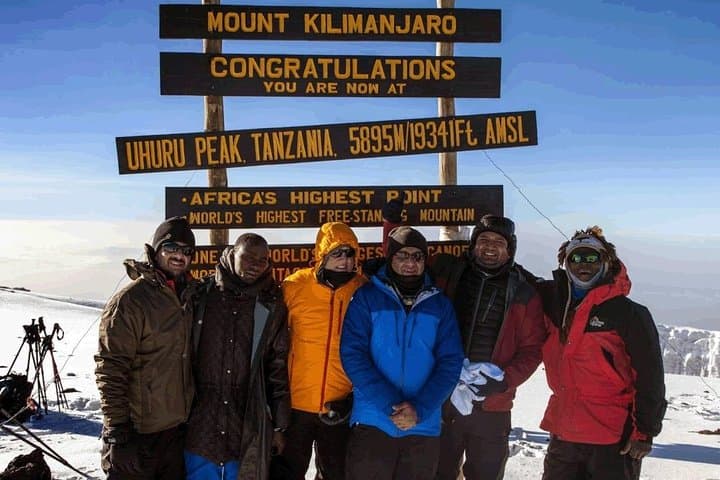
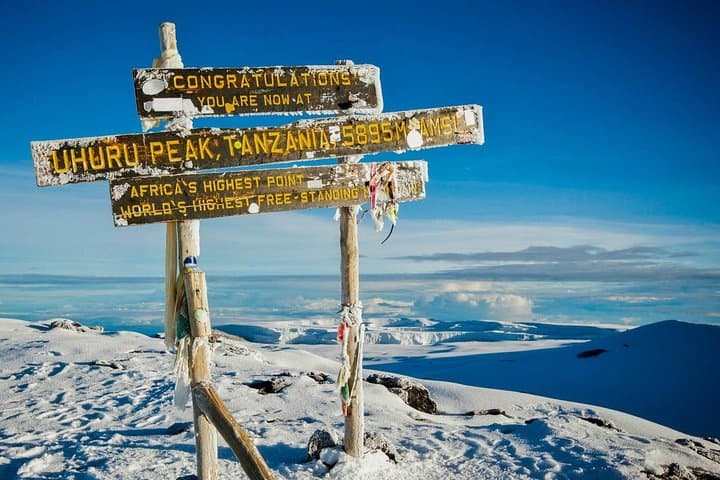
This 9-day Northern Circuit on Mount Kilimanjaro takes the long, scenic route around Kibo—maximizing acclimatization and summit success. Expect rainforest approaches, exposed plateaus, Lava Tower, and a summit dawn at Uhuru Peak.
This 9-day Northern Circuit on Mount Kilimanjaro takes the long, scenic route around Kibo—maximizing acclimatization and summit success. Expect rainforest approaches, exposed plateaus, Lava Tower, and a summit dawn at Uhuru Peak.
You step out of the van at Londorossi Gate and the mountain takes the lead. Rainforest closes behind you like a green door; ahead the trail climbs steadily, first under dripping moss and then onto the broad Shira Plateau where the air thins and the sky stretches wide. Over nine days the Northern Circuit arcs a near-360° path around Kibo’s slopes—longer, quieter and kinder to acclimatization than most routes—so the summit attempt at 5,895 m feels less like a sprint and more like a long conversation with altitude.
Verified experiences and guided adventures in the surrounding area.
Operated by Intrepid Explorer Tanzania · Moshi, Kilimanjaro Region
You step out of the van at Londorossi Gate and the mountain takes the lead. Rainforest closes behind you like a green door; ahead the trail climbs steadily, first under dripping moss and then onto the broad Shira Plateau where the air thins and the sky stretches wide. Over nine days the Northern Circuit arcs a near-360° path around Kibo’s slopes—longer, quieter and kinder to acclimatization than most routes—so the summit attempt at 5,895 m feels less like a sprint and more like a long conversation with altitude.
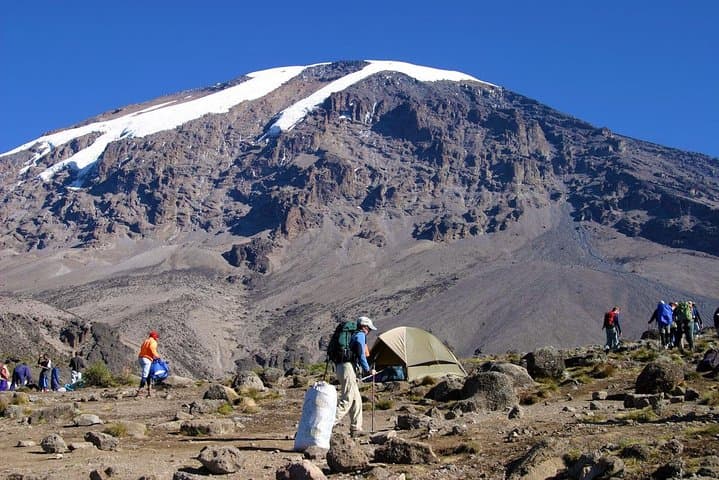
The route begins west of Kilimanjaro with a two-hour drive from Moshi to Londorossi Gate, then climbs through rainforest (2,100–2,820 m) into moorland and the exposed high plateaus of Shira (3,610–3,850 m). Geologically Kibo is a dormant stratovolcano capped by an ice field and ringed by lava towers; the Northern Circuit circles Kibo’s northern slopes, takes in Lava Tower (4,600 m) and the Shark’s Tooth, then moves clockwise past Moir, Buffalo and School Hut before the final push to Gilman’s Point and Uhuru Peak.
Culture threads through the climb. Your mountain crew—guides, cooks and porters—represent local Chagga and Maasai communities, and the team's routines reflect generations of mountain knowledge: early tea before summit night, layered clothing systems, and the careful ‘walk high, sleep low’ rhythm that makes this route’s success rate high. Conservation is visible too: Kilimanjaro National Park requires registration and guides, and camps use designated sites to reduce erosion.
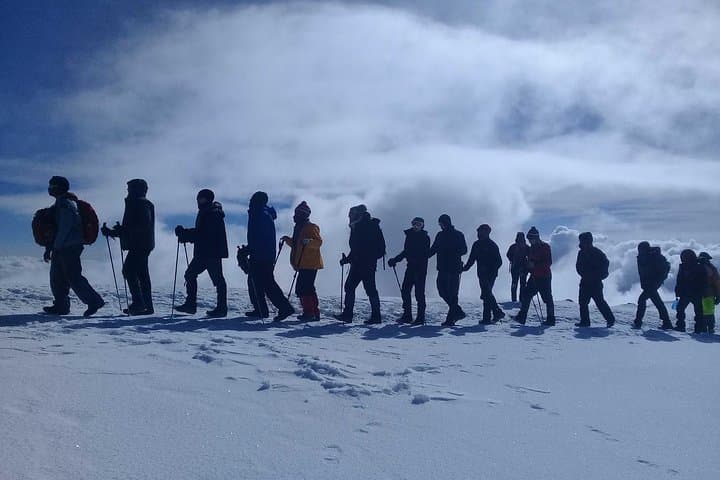
Practicality matters. Expect 6–7 hours on many approach days (distances 5–14 km), with key altitude gains on the Lava Tower day and the summit push: School Hut sits at 4,800 m and the summit at 5,895 m. Nights on the plateau can drop below freezing; summit night is long—14–16 hours of trekking on day eight—so pacing, hydration and calorie intake are your primary tools against fatigue.
Bring a stout pair of waterproof boots, an insulated down jacket, a reliable headlamp and high-calorie snacks. Use trekking poles to protect knees on long descents and sip warm fluids through insulated bottles to avoid freezing. Monitor for acute mountain sickness—headache, nausea, shortness of breath—and communicate with guides; emergency oxygen and basic first aid are included.
Logistics: private transport from Moshi, camping and meals included, hotel nights before and after, and permits via park authorities. Tipping the crew is customary and helps sustain local livelihoods. Choose dry months (June–October) for clearer conditions, but allow a day for weather variability. The Northern Circuit asks for patience and steady feet; repay it with sunrise at Uhuru Peak and a descent through a forest that seems relieved to have you back.
challenging.
9 days.
Good aerobic fitness with prior multi-day hiking experience; ability to hike 5–8 hours on consecutive days and manage steep, high-altitude terrain.
It’s longer but designed for better acclimatization—daily stages are manageable, but total distance and altitude make it a challenging multi-day trek.
Recommended but not mandatory—previous multi-day hikes help; the route’s extra acclimatization days improve success for less-experienced climbers.
June–October are the clearest and driest; January–March can also be good, while April–May and November–December have more rain.
Permits and park registration are arranged by operators; this trip includes qualified guides, porters, camping gear and park fees as listed.
Watch for persistent headache, nausea, dizziness, loss of appetite and breathlessness; communicate early with your guide—descent may be required.
Customary tipping ranges; expect to budget around 10–20% of the trip cost split across guides, cooks and porters—confirm local guidance when booking.
Kilimanjaro’s volcanic cone formed over hundreds of thousands of years; its glaciers are remnants of the last ice age and a longstanding landmark for local Chagga communities.
Kilimanjaro National Park manages routes and camps to limit erosion and litter; choosing accredited operators supports local conservation and responsible porter practices.
Intrepid Explorer Tanzania operates guided outdoor trips and adventures with an emphasis on safety, stewardship, and memorable experiences.
You step out of the van at Londorossi Gate and the mountain takes the lead. Rainforest closes behind you like a green door; ahead the trail climbs steadily, first under dripping moss and then onto the broad Shira Plateau where the air thins and the sky stretches wide. Over nine days the Northern Circuit arcs a near-360° path around Kibo’s slopes—longer, quieter and kinder to acclimatization than most routes—so the summit attempt at 5,895 m feels less like a sprint and more like a long conversation with altitude.
You step out of the van at Londorossi Gate and the mountain takes the lead. Rainforest closes behind you like a green door; ahead the trail climbs steadily, first under dripping moss and then onto the broad Shira Plateau where the air thins and the sky stretches wide. Over nine days the Northern Circuit arcs a near-360° path around Kibo’s slopes—longer, quieter and kinder to acclimatization than most routes—so the summit attempt at 5,895 m feels less like a sprint and more like a long conversation with altitude.
The route begins west of Kilimanjaro with a two-hour drive from Moshi to Londorossi Gate, then climbs through rainforest (2,100–2,820 m) into moorland and the exposed high plateaus of Shira (3,610–3,850 m). Geologically Kibo is a dormant stratovolcano capped by an ice field and ringed by lava towers; the Northern Circuit circles Kibo’s northern slopes, takes in Lava Tower (4,600 m) and the Shark’s Tooth, then moves clockwise past Moir, Buffalo and School Hut before the final push to Gilman’s Point and Uhuru Peak.
Culture threads through the climb. Your mountain crew—guides, cooks and porters—represent local Chagga and Maasai communities, and the team's routines reflect generations of mountain knowledge: early tea before summit night, layered clothing systems, and the careful ‘walk high, sleep low’ rhythm that makes this route’s success rate high. Conservation is visible too: Kilimanjaro National Park requires registration and guides, and camps use designated sites to reduce erosion.
Practicality matters. Expect 6–7 hours on many approach days (distances 5–14 km), with key altitude gains on the Lava Tower day and the summit push: School Hut sits at 4,800 m and the summit at 5,895 m. Nights on the plateau can drop below freezing; summit night is long—14–16 hours of trekking on day eight—so pacing, hydration and calorie intake are your primary tools against fatigue.
Bring a stout pair of waterproof boots, an insulated down jacket, a reliable headlamp and high-calorie snacks. Use trekking poles to protect knees on long descents and sip warm fluids through insulated bottles to avoid freezing. Monitor for acute mountain sickness—headache, nausea, shortness of breath—and communicate with guides; emergency oxygen and basic first aid are included.
Logistics: private transport from Moshi, camping and meals included, hotel nights before and after, and permits via park authorities. Tipping the crew is customary and helps sustain local livelihoods. Choose dry months (June–October) for clearer conditions, but allow a day for weather variability. The Northern Circuit asks for patience and steady feet; repay it with sunrise at Uhuru Peak and a descent through a forest that seems relieved to have you back.