THE ADVENTURE COLLECTIVE® · Independent discovery and booking for outdoor travel

Choose the Northern Circuit for a longer, quieter climb of Kilimanjaro that trades crowds for better acclimatization and sweeping northern slopes. This 10-day route loops around Kibo, offers crater views and a high summit success rate for prepared trekkers.
Choose the Northern Circuit for a longer, quieter climb of Kilimanjaro that trades crowds for better acclimatization and sweeping northern slopes. This 10-day route loops around Kibo, offers crater views and a high summit success rate for prepared trekkers.
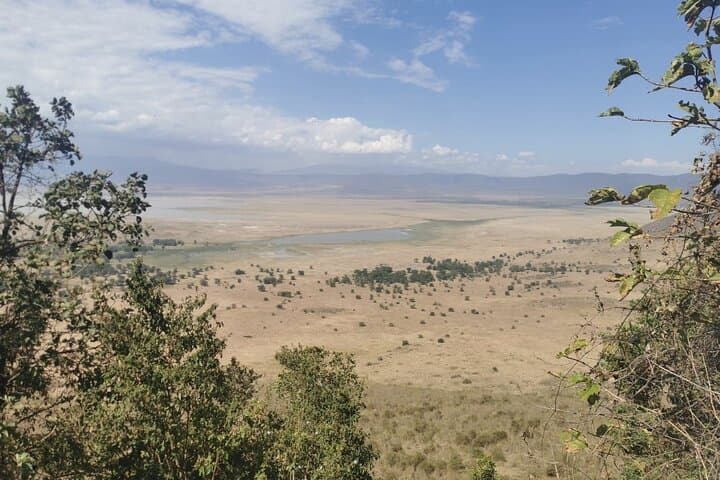
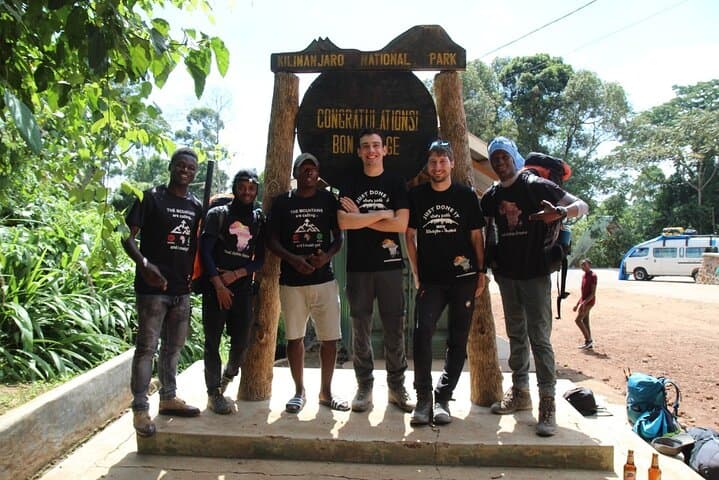
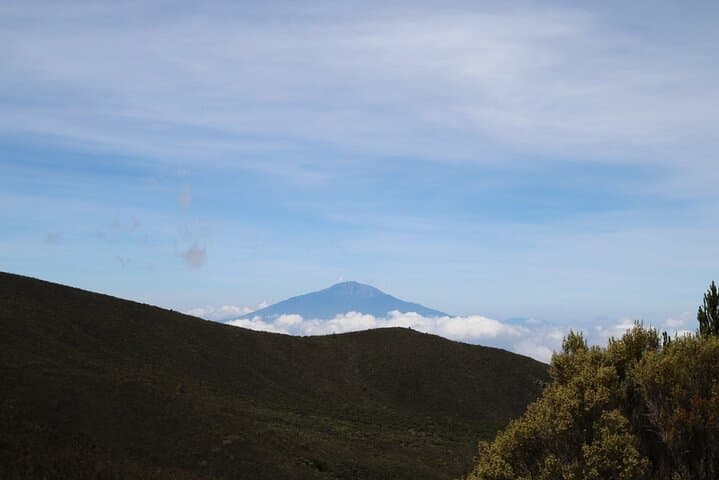
The sun is still a pale coin above the equator when your headlamp picks out the silhouette of giant heather and the outline of a trailhead that, for most of the continent, remains private. On the Northern Circuit you move around Kilimanjaro's lesser-traveled flank: long ridgelines, a caldera that opens like a page, and slopes that feel as if the mountain is watching you climb. The route stretches the ascent over more days than the classic trails, trading crowds for slow altitude gain and expansive, changing light.
Verified experiences and guided adventures in the surrounding area.
Operated by Jee Tours · Moshi, Kilimanjaro Region
The sun is still a pale coin above the equator when your headlamp picks out the silhouette of giant heather and the outline of a trailhead that, for most of the continent, remains private. On the Northern Circuit you move around Kilimanjaro's lesser-traveled flank: long ridgelines, a caldera that opens like a page, and slopes that feel as if the mountain is watching you climb. The route stretches the ascent over more days than the classic trails, trading crowds for slow altitude gain and expansive, changing light.
Geology and history read like layers on this volcano. Kilimanjaro is a dormant stratovolcano of three cones—Kibo, Mawenzi and Shira—carved over millennia by glaciers and storms. The Northern Circuit crosses the Shira Plateau, skirts Arrow Glacier and passes close to the Kenyan border, offering views into the Amboseli basin where the plains drop away like a curtain. Culturally, Moshi and the Chagga communities that support a large portion of Kilimanjaro tourism bring a warm, practical hospitality: porters and guides are skilled technicians of the mountain whose knowledge of weather and acclimatization is essential.
On route, vegetation has personality: the rainforest below conspires to slow you; the moorland exhales sharp, cold air; the alpine desert challenges every step with thinness. The itinerary’s slower profile—10 days—blesses you with time to acclimatize, and the Northern Circuit’s loop keeps campsite numbers low. Expect mornings of tea in canvas dining tents, evenings with oxygen cylinders at hand, and guides checking oximeter readings as a matter of routine.
Practical guidance: be conservative with pace—walk slow, step steady. Break up the summit night mentally into sections and keep fluids and electrolytes within reach; summit success is less about pace than about steady ascent and body awareness. Footwear should be broken in; crampons are rarely needed on this route outside of residual glacier, but gaiters are useful for scree and volcanic dust. Weather changes fast—layering is not optional. The descent is technically easy but often where injuries happen: focus on footing, use poles, and let gravity do the work without sprinting.
Logistics: the trip starts and ends in Moshi with private transfers to Londorossi Gate, tented accommodation on the mountain, and experienced, licensed guides. Medical kits and oxygen are carried; porters handle camp logistics so you can carry a daypack. If you want solitude without sacrificing safety, the Northern Circuit offers one of the best balanced approaches to summiting Africa’s highest peak.
challenging.
10 days.
Good aerobic fitness with experience hiking multi-day treks; comfortable carrying a 10–12 kg daypack and walking 4–8 hours daily.
It’s longer and less steep than some routes; the extra days improve acclimatization but require sustained endurance over 10 days.
No technical climbing gear is required for the standard Northern Circuit; crampons are seldom needed, but a warm sleeping bag and layered clothing are essential.
Dry seasons—January–March and June–October—offer more stable weather and clearer summit views, though afternoon clouds can appear year-round.
This trip includes licensed guides, porters, tented accommodation on the mountain, meals, oxygen cylinders and medical kits.
Yes—altitude is the primary challenge. The route’s longer profile reduces risk, but symptoms can appear; guides monitor oxygen saturation and symptoms closely.
Most itineraries start in Moshi with transfer to Londorossi Gate and end back in Moshi after descent through Mweka Gate.
Kilimanjaro’s first recorded European ascent was in 1889; local Chagga communities have long acted as guides and agricultural stewards on its lower slopes.
Park authorities limit group sizes and enforce strict waste protocols; supporting licensed operators helps fund conservation and porter welfare.
Jee Tours operates guided outdoor trips and adventures with an emphasis on safety, stewardship, and memorable experiences.
The sun is still a pale coin above the equator when your headlamp picks out the silhouette of giant heather and the outline of a trailhead that, for most of the continent, remains private. On the Northern Circuit you move around Kilimanjaro's lesser-traveled flank: long ridgelines, a caldera that opens like a page, and slopes that feel as if the mountain is watching you climb. The route stretches the ascent over more days than the classic trails, trading crowds for slow altitude gain and expansive, changing light.
The sun is still a pale coin above the equator when your headlamp picks out the silhouette of giant heather and the outline of a trailhead that, for most of the continent, remains private. On the Northern Circuit you move around Kilimanjaro's lesser-traveled flank: long ridgelines, a caldera that opens like a page, and slopes that feel as if the mountain is watching you climb. The route stretches the ascent over more days than the classic trails, trading crowds for slow altitude gain and expansive, changing light.
Geology and history read like layers on this volcano. Kilimanjaro is a dormant stratovolcano of three cones—Kibo, Mawenzi and Shira—carved over millennia by glaciers and storms. The Northern Circuit crosses the Shira Plateau, skirts Arrow Glacier and passes close to the Kenyan border, offering views into the Amboseli basin where the plains drop away like a curtain. Culturally, Moshi and the Chagga communities that support a large portion of Kilimanjaro tourism bring a warm, practical hospitality: porters and guides are skilled technicians of the mountain whose knowledge of weather and acclimatization is essential.
On route, vegetation has personality: the rainforest below conspires to slow you; the moorland exhales sharp, cold air; the alpine desert challenges every step with thinness. The itinerary’s slower profile—10 days—blesses you with time to acclimatize, and the Northern Circuit’s loop keeps campsite numbers low. Expect mornings of tea in canvas dining tents, evenings with oxygen cylinders at hand, and guides checking oximeter readings as a matter of routine.
Practical guidance: be conservative with pace—walk slow, step steady. Break up the summit night mentally into sections and keep fluids and electrolytes within reach; summit success is less about pace than about steady ascent and body awareness. Footwear should be broken in; crampons are rarely needed on this route outside of residual glacier, but gaiters are useful for scree and volcanic dust. Weather changes fast—layering is not optional. The descent is technically easy but often where injuries happen: focus on footing, use poles, and let gravity do the work without sprinting.
Logistics: the trip starts and ends in Moshi with private transfers to Londorossi Gate, tented accommodation on the mountain, and experienced, licensed guides. Medical kits and oxygen are carried; porters handle camp logistics so you can carry a daypack. If you want solitude without sacrificing safety, the Northern Circuit offers one of the best balanced approaches to summiting Africa’s highest peak.