THE ADVENTURE COLLECTIVE® · Independent discovery and booking for outdoor travel

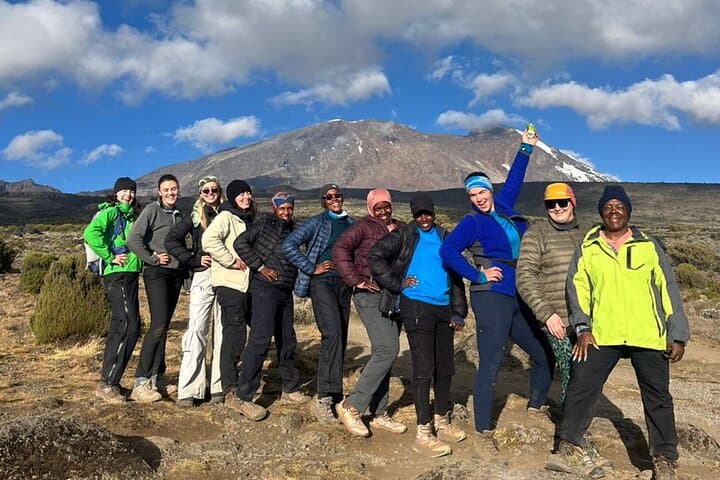
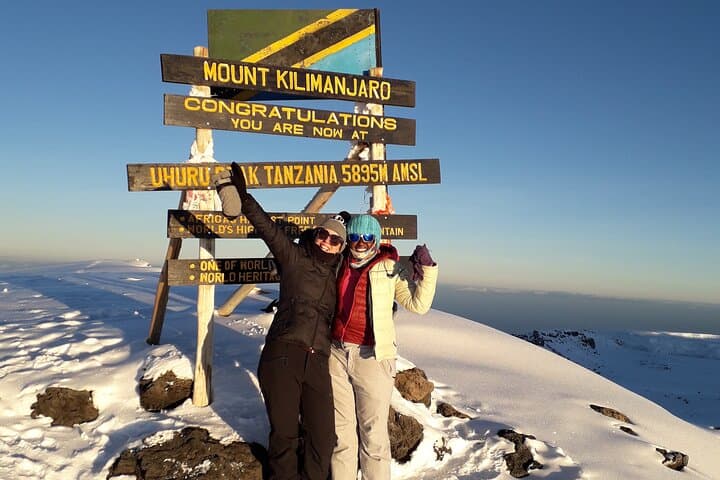
An all-women guided ascent of Mount Kilimanjaro via the Marangu Route—7 nights on the mountain with hut and camp-style support, seasoned guides, and porter services. Expect rainforest, alpine desert, and a pre-dawn summit push to Uhuru Peak.
An all-women guided ascent of Mount Kilimanjaro via the Marangu Route—7 nights on the mountain with hut and camp-style support, seasoned guides, and porter services. Expect rainforest, alpine desert, and a pre-dawn summit push to Uhuru Peak.
The day begins in Moshi with humid air and the sound of town life folding into the rainforest. You drive toward Marangu Gate, boots on board, and step into green that closes behind you—birds calling, leaves whispering as porters shoulder duffels and the trail points upward.
Verified experiences and guided adventures in the surrounding area.
Operated by Kilimanjaro Wanderwomen Tours · Moshi, Kilimanjaro Region
The day begins in Moshi with humid air and the sound of town life folding into the rainforest. You drive toward Marangu Gate, boots on board, and step into green that closes behind you—birds calling, leaves whispering as porters shoulder duffels and the trail points upward.
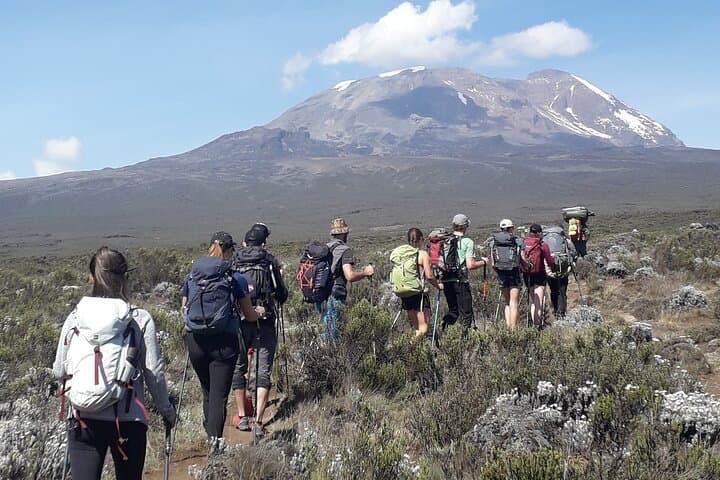
Marangu is the oldest trodden route on Kilimanjaro and the only one with hut-style stops historically; it threads rainforest, moorland and alpine desert before the volcanic summit cones—Mawenzi’s jagged flank and Kibo’s crater rim—dominate the horizon. Geologically Kibo and Mawenzi are extinct and dormant volcanic structures; glaciers still cling to Kibo’s rim and have been visibly receding over the past century. The climb crosses elevations from about 1,840 m at the gate to 5,895 m at Uhuru Peak and moves fast in terms of vertical gain, so acclimatization days and “pole pole” pacing are essential.
Culturally the mountain is central to Chagga life below—water sources and farming patterns follow its slopes—and Kilimanjaro National Park enforces permits and conservation measures to protect fragile alpine ecosystems.
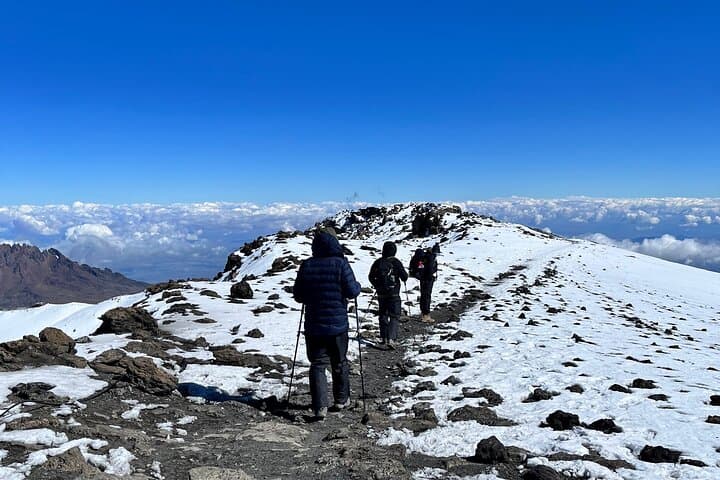
Practical guidance: pack for cold nights, expect long summit hours starting around midnight, and trust the rhythm of slow, steady steps. Hydration, salty snacks, and a warm sleeping bag matter as much as your boots. Porters and guides handle most camp logistics; bring layers, a headlamp with fresh batteries, and patience for thin air. With planning and respect for the mountain, the summit becomes a hard-won view that rewards careful preparation.
challenging.
7–8 days.
Requires high aerobic fitness, regular hill/long-hike experience, and prior multi-day trekking conditioning to tolerate long summit push and altitude.
Marangu is moderate to challenging due to altitude and pace; it’s non-technical but requires good fitness and acclimatization time.
The operator lists double tents and dining tents for camping nights; confirm sleeping bag availability—most climbers bring their own rated bag.
Success depends on fitness, acclimatization and weather; routes with sufficient acclimatization days have higher summit rates, but no guarantee is possible.
Yes—adequate travel insurance covering high-altitude trekking and evacuation is strongly recommended and often required.
Kilimanjaro’s peaks are volcanic cones formed over hundreds of thousands of years; the mountain also holds cultural significance for the Chagga people living on its lower slopes.
Kilimanjaro National Park regulates permits and trail use; glacier retreat underscores the need to follow Leave No Trace and to support porter welfare and sustainable guiding practices.
Kilimanjaro Wanderwomen Tours operates guided outdoor trips and adventures with an emphasis on safety, stewardship, and memorable experiences.
The day begins in Moshi with humid air and the sound of town life folding into the rainforest. You drive toward Marangu Gate, boots on board, and step into green that closes behind you—birds calling, leaves whispering as porters shoulder duffels and the trail points upward.
The day begins in Moshi with humid air and the sound of town life folding into the rainforest. You drive toward Marangu Gate, boots on board, and step into green that closes behind you—birds calling, leaves whispering as porters shoulder duffels and the trail points upward.
Marangu is the oldest trodden route on Kilimanjaro and the only one with hut-style stops historically; it threads rainforest, moorland and alpine desert before the volcanic summit cones—Mawenzi’s jagged flank and Kibo’s crater rim—dominate the horizon. Geologically Kibo and Mawenzi are extinct and dormant volcanic structures; glaciers still cling to Kibo’s rim and have been visibly receding over the past century. The climb crosses elevations from about 1,840 m at the gate to 5,895 m at Uhuru Peak and moves fast in terms of vertical gain, so acclimatization days and “pole pole” pacing are essential.
Culturally the mountain is central to Chagga life below—water sources and farming patterns follow its slopes—and Kilimanjaro National Park enforces permits and conservation measures to protect fragile alpine ecosystems.
Practical guidance: pack for cold nights, expect long summit hours starting around midnight, and trust the rhythm of slow, steady steps. Hydration, salty snacks, and a warm sleeping bag matter as much as your boots. Porters and guides handle most camp logistics; bring layers, a headlamp with fresh batteries, and patience for thin air. With planning and respect for the mountain, the summit becomes a hard-won view that rewards careful preparation.