THE ADVENTURE COLLECTIVE® · Independent discovery and booking for outdoor travel

A seven‑day Machame ascent trades steep, direct trails for paced acclimatization across Kilimanjaro’s distinct climatic zones. This practical guide covers the route, what to expect each day, and the must‑have gear and strategies to reach Uhuru Peak.
A seven‑day Machame ascent trades steep, direct trails for paced acclimatization across Kilimanjaro’s distinct climatic zones. This practical guide covers the route, what to expect each day, and the must‑have gear and strategies to reach Uhuru Peak.
Dawn on Kilimanjaro begins as a thin blue line along the rim of the forest, birds calling you out of the tents while porters quiet the camp. On the Machame Route your first steps leave the dripping rainforest and climb into a world of changing weather bands: leafy canopy and mist give way to heath, moorland, the broad Shira Plateau, then razor-wind alpine desert before the final push across the scree to Uhuru Peak.
Verified experiences and guided adventures in the surrounding area.
Operated by Altezza Travel · Moshi, Kilimanjaro Region
Dawn on Kilimanjaro begins as a thin blue line along the rim of the forest, birds calling you out of the tents while porters quiet the camp. On the Machame Route your first steps leave the dripping rainforest and climb into a world of changing weather bands: leafy canopy and mist give way to heath, moorland, the broad Shira Plateau, then razor-wind alpine desert before the final push across the scree to Uhuru Peak.
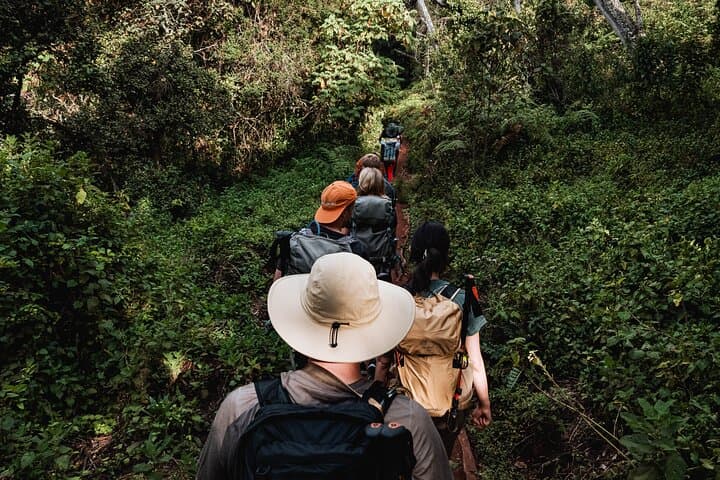
This seven-day itinerary is built for acclimatization. You start at Machame Gate (≈1,800 m) and reach Machame Camp (3,010 m) on day two — an 11 km, 5–6 hour walk through steamy forest. Over successive days you cross the Shira Plateau and ascend to Lava Tower (4,630 m) for the classic “climb high, sleep low” acclimatization. The summit push leaves Barafu Camp (4,640 m) around midnight for the 6–8 hour ascent to Uhuru Peak (5,895 m) and a long, careful descent to Millennium and Mweka.
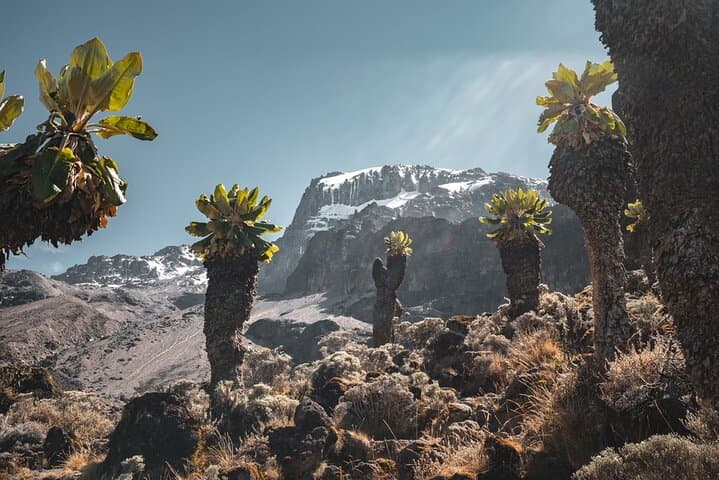
Geologically, Kilimanjaro is a dormant stratovolcano shaped by successive eruptions and long erosion. The trail reads like a vertical geography lesson: tropical rainforest, montane heath, alpine desert, and the ice fields crowning Kibo — the remnant glaciers that have shrunk dramatically over a century.
Culturally the climb moves through Chagga farmland and villages around Moshi; you’ll see terraced fields and water channels that predate modern irrigation. Local climbing crews — guides, cooks, porters — form the backbone of the summit effort. Respect for porter welfare and park regulations is part of responsible climbing here.
Practical guidance is simple and non-negotiable. Hydration is critical: drink 3–4 liters daily from bottled sources and sip frequently rather than gulping. Acclimatize deliberately — follow guide pace and take acclimatization hikes to Lava Tower and Kosovo as scheduled. Expect wide temperature swings: daytime in the moorland can be mild, nights at Barafu sub-freezing. Footwear should be broken-in, supportive boots; trekking poles reduce knee strain on descents and help on scree.
Medical preparedness: a Wilderness First Responder guide, oximeters, and oxygen are provided, but know the symptoms of acute mountain sickness and communicate early. Diamox can help — consult your physician beforehand. Pack layering pieces for wind and wet weather, and plan to dress in thin layers for the summit push so you can adjust easily.
Logistics are straightforward: transfers from JRO to a foothills hotel are included, as are park fees, tents, and meals. Plan 7–9 days total including arrival and departure, allow time in Moshi to rest before flying, and budget a tip for guides and porters. The Machame Route is demanding but richly varied — if you prepare deliberately and move with patience, the summit sunrise over East Africa is a hard-earned, unforgettable reward.
difficult.
7–9 days.
Good aerobic base and muscular endurance; able to hike 5–8 hours on consecutive days with a 30–40 lb duffel carried by porters.
The long dry season (June–October) and short dry window (late December–February) offer the most stable weather and clearer summit days.
No technical gear is required on the Machame Route—this is high‑altitude trekking rather than technical mountaineering, though crampons are not used on the standard route.
Summit day is long (6–8 hours up, several hours down) and primarily challenging because of altitude and sleep loss; prepare mentally and conserve energy early.
Many climbers use Diamox to aid acclimatization, but consult your doctor before taking it; follow dosage guidance and monitor for side effects.
Tipping is customary and not included; plan to tip guides and porters at the end of the climb based on service and group size.
Yes — certified guides, Kilimanjaro National Park fees, tents, meals, oxygen kits, and transfers from JRO are included in this package.
Kilimanjaro’s slopes are home to the Chagga people; the mountain’s volcanic cones—Kibo, Mawenzi, Shira—were formed by eruptions millions of years ago.
Kilimanjaro National Park manages permits and limits; support certified operators, minimize waste, and respect porter weight limits to reduce environmental and social impact.
Altezza Travel operates guided outdoor trips and adventures with an emphasis on safety, stewardship, and memorable experiences.
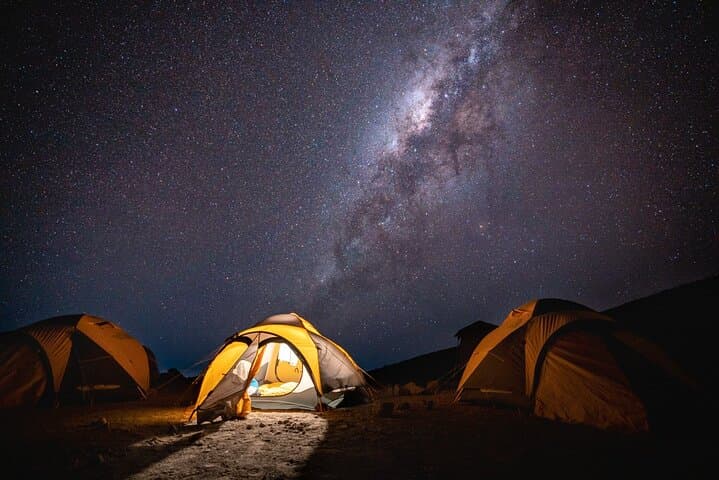
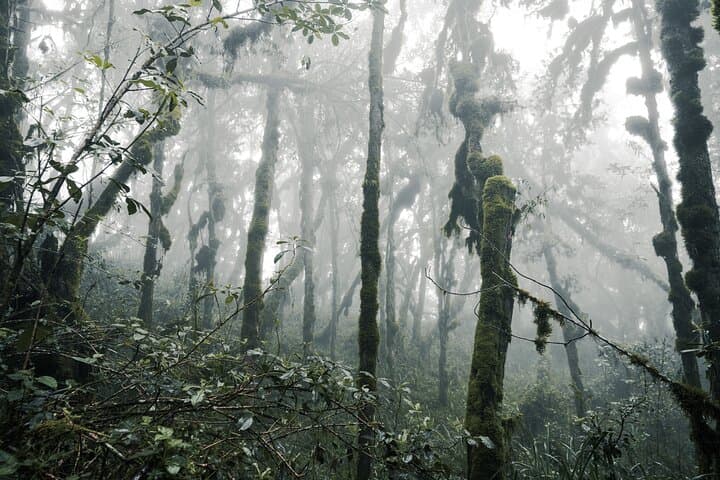
Dawn on Kilimanjaro begins as a thin blue line along the rim of the forest, birds calling you out of the tents while porters quiet the camp. On the Machame Route your first steps leave the dripping rainforest and climb into a world of changing weather bands: leafy canopy and mist give way to heath, moorland, the broad Shira Plateau, then razor-wind alpine desert before the final push across the scree to Uhuru Peak.
Dawn on Kilimanjaro begins as a thin blue line along the rim of the forest, birds calling you out of the tents while porters quiet the camp. On the Machame Route your first steps leave the dripping rainforest and climb into a world of changing weather bands: leafy canopy and mist give way to heath, moorland, the broad Shira Plateau, then razor-wind alpine desert before the final push across the scree to Uhuru Peak.
This seven-day itinerary is built for acclimatization. You start at Machame Gate (≈1,800 m) and reach Machame Camp (3,010 m) on day two — an 11 km, 5–6 hour walk through steamy forest. Over successive days you cross the Shira Plateau and ascend to Lava Tower (4,630 m) for the classic “climb high, sleep low” acclimatization. The summit push leaves Barafu Camp (4,640 m) around midnight for the 6–8 hour ascent to Uhuru Peak (5,895 m) and a long, careful descent to Millennium and Mweka.
Geologically, Kilimanjaro is a dormant stratovolcano shaped by successive eruptions and long erosion. The trail reads like a vertical geography lesson: tropical rainforest, montane heath, alpine desert, and the ice fields crowning Kibo — the remnant glaciers that have shrunk dramatically over a century.
Culturally the climb moves through Chagga farmland and villages around Moshi; you’ll see terraced fields and water channels that predate modern irrigation. Local climbing crews — guides, cooks, porters — form the backbone of the summit effort. Respect for porter welfare and park regulations is part of responsible climbing here.
Practical guidance is simple and non-negotiable. Hydration is critical: drink 3–4 liters daily from bottled sources and sip frequently rather than gulping. Acclimatize deliberately — follow guide pace and take acclimatization hikes to Lava Tower and Kosovo as scheduled. Expect wide temperature swings: daytime in the moorland can be mild, nights at Barafu sub-freezing. Footwear should be broken-in, supportive boots; trekking poles reduce knee strain on descents and help on scree.
Medical preparedness: a Wilderness First Responder guide, oximeters, and oxygen are provided, but know the symptoms of acute mountain sickness and communicate early. Diamox can help — consult your physician beforehand. Pack layering pieces for wind and wet weather, and plan to dress in thin layers for the summit push so you can adjust easily.
Logistics are straightforward: transfers from JRO to a foothills hotel are included, as are park fees, tents, and meals. Plan 7–9 days total including arrival and departure, allow time in Moshi to rest before flying, and budget a tip for guides and porters. The Machame Route is demanding but richly varied — if you prepare deliberately and move with patience, the summit sunrise over East Africa is a hard-earned, unforgettable reward.