THE ADVENTURE COLLECTIVE® · Independent discovery and booking for outdoor travel

Ascend Mount Kilimanjaro via the scenic Lemosho Route on an 8‑day itinerary from Moshi. This guide covers terrain, local culture, seasonality and the practical gear and pacing you need to reach Uhuru Peak.
Ascend Mount Kilimanjaro via the scenic Lemosho Route on an 8‑day itinerary from Moshi. This guide covers terrain, local culture, seasonality and the practical gear and pacing you need to reach Uhuru Peak.
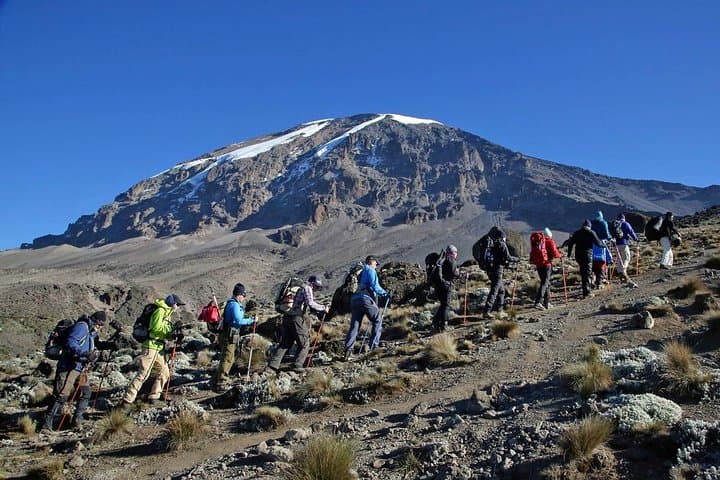
The trail opens with a cool, verdant corridor as you leave the cultivated slopes around Moshi and enter the rainforest that drinks the mountain’s moisture. On the Lemosho Route, mornings feel sharp—mist lifts in sheets and the landscape pushes you upward: forest gives way to heather, then to the broad, wind-hammered Shira Plateau where cathedral-like volcanic ridges loom.
Verified experiences and guided adventures in the surrounding area.
Operated by Toto Africa Adventures · Moshi, Kilimanjaro Region
The trail opens with a cool, verdant corridor as you leave the cultivated slopes around Moshi and enter the rainforest that drinks the mountain’s moisture. On the Lemosho Route, mornings feel sharp—mist lifts in sheets and the landscape pushes you upward: forest gives way to heather, then to the broad, wind-hammered Shira Plateau where cathedral-like volcanic ridges loom.
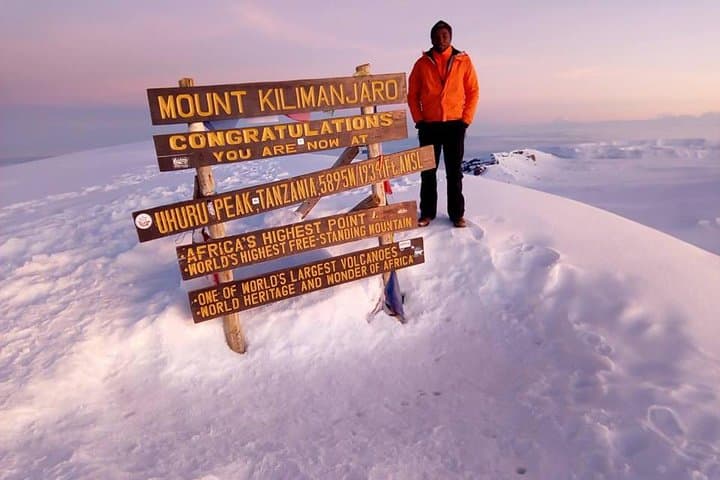
Geology here is blunt and recent: Kilimanjaro is a three-peak stratovolcano whose glaciers carve stark ridges on ancient lava. The Lemosho approach traverses Shira Caldera and joins the southern circuit via Lava Tower, Barranco Wall, and Barafu before the final, thin-air push to Uhuru Peak. Culturally, the Chagga people farm the lower flanks in terraces and work in Moshi, providing guides and porters who carry not just gear but local knowledge of weather windows and acclimatization.
Expect varied terrain—muddy rainforest tracks, rocky alpine moorland, and boulder fields at high camps. Wildlife slips through the lower zones: elephant and buffalo occasionally wander from nearby game areas during dry months, and colobus monkeys patrol the trees.
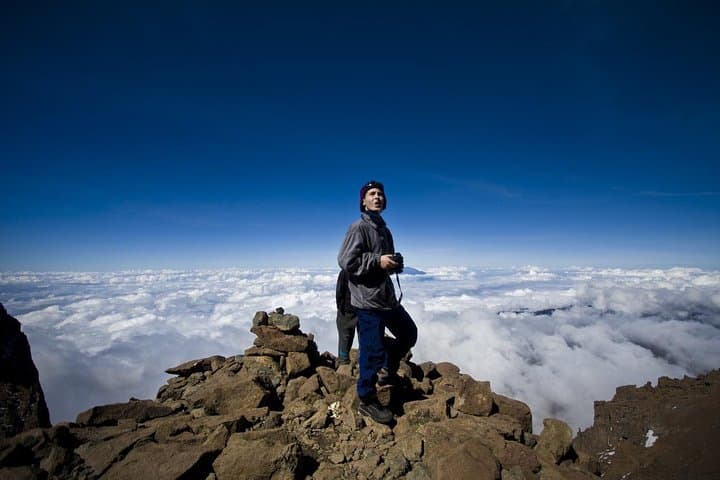
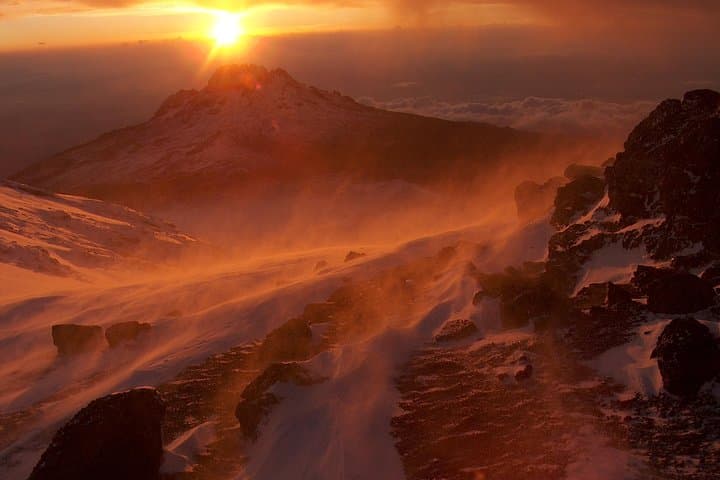
Practical guide: plan for gradual daily gains and an extra acclimatization day if possible; hydrate and eat consistently; pack layered insulation for pre-dawn summit attempts that begin around midnight. Footwear should be stiff-soled, waterproof, and already broken in. Arrange national park permits and a certified guide through a reputable operator in Moshi. With sensible pacing and respect for altitude, Lemosho is one of the most scenic routes to Kilimanjaro’s summit—big, raw, and honest in its demands.
challenging.
8 days.
Good cardiovascular fitness with prior multi-day hiking experience; strong aerobic base and leg endurance recommended
No technical climbing is required; the route is a trekking route, but experience with long days, altitude, and using crampons may be helpful in snowy conditions.
Success varies by fitness and acclimatization; an 8‑day plan improves summit odds compared with 7 days by allowing better acclimatization, but rates depend on weather and individual response to altitude.
Dry months (late June–October and December–February) offer more stable weather and clearer summit conditions; long rains (March–May) bring heavier precipitation and slippery trails.
Yes—Kilimanjaro National Park requires permits and all climbs must use registered guides and porters provided by licensed operators.
Kilimanjaro’s peaks are volcanic remnants shaped by eruptions and glacial recession; the mountain has long been significant to local Chagga communities and to early European explorers in the 19th century.
Glacial retreat and changing rainfall patterns are altering high‑altitude ecology; stick to marked trails, minimize campfire use, and support operators that follow park and porter welfare guidelines.
Toto Africa Adventures operates guided outdoor trips and adventures with an emphasis on safety, stewardship, and memorable experiences.
The trail opens with a cool, verdant corridor as you leave the cultivated slopes around Moshi and enter the rainforest that drinks the mountain’s moisture. On the Lemosho Route, mornings feel sharp—mist lifts in sheets and the landscape pushes you upward: forest gives way to heather, then to the broad, wind-hammered Shira Plateau where cathedral-like volcanic ridges loom.
The trail opens with a cool, verdant corridor as you leave the cultivated slopes around Moshi and enter the rainforest that drinks the mountain’s moisture. On the Lemosho Route, mornings feel sharp—mist lifts in sheets and the landscape pushes you upward: forest gives way to heather, then to the broad, wind-hammered Shira Plateau where cathedral-like volcanic ridges loom.
Geology here is blunt and recent: Kilimanjaro is a three-peak stratovolcano whose glaciers carve stark ridges on ancient lava. The Lemosho approach traverses Shira Caldera and joins the southern circuit via Lava Tower, Barranco Wall, and Barafu before the final, thin-air push to Uhuru Peak. Culturally, the Chagga people farm the lower flanks in terraces and work in Moshi, providing guides and porters who carry not just gear but local knowledge of weather windows and acclimatization.
Expect varied terrain—muddy rainforest tracks, rocky alpine moorland, and boulder fields at high camps. Wildlife slips through the lower zones: elephant and buffalo occasionally wander from nearby game areas during dry months, and colobus monkeys patrol the trees.
Practical guide: plan for gradual daily gains and an extra acclimatization day if possible; hydrate and eat consistently; pack layered insulation for pre-dawn summit attempts that begin around midnight. Footwear should be stiff-soled, waterproof, and already broken in. Arrange national park permits and a certified guide through a reputable operator in Moshi. With sensible pacing and respect for altitude, Lemosho is one of the most scenic routes to Kilimanjaro’s summit—big, raw, and honest in its demands.