THE ADVENTURE COLLECTIVE® · Independent discovery and booking for outdoor travel

Take the scenic Lemosho Route on this 8‑day Kilimanjaro expedition, crossing six ecological zones from rainforest to the arctic summit. Expect a mix of forest trails, high plateaus and a midnight summit push to Uhuru Peak.
Take the scenic Lemosho Route on this 8‑day Kilimanjaro expedition, crossing six ecological zones from rainforest to the arctic summit. Expect a mix of forest trails, high plateaus and a midnight summit push to Uhuru Peak.
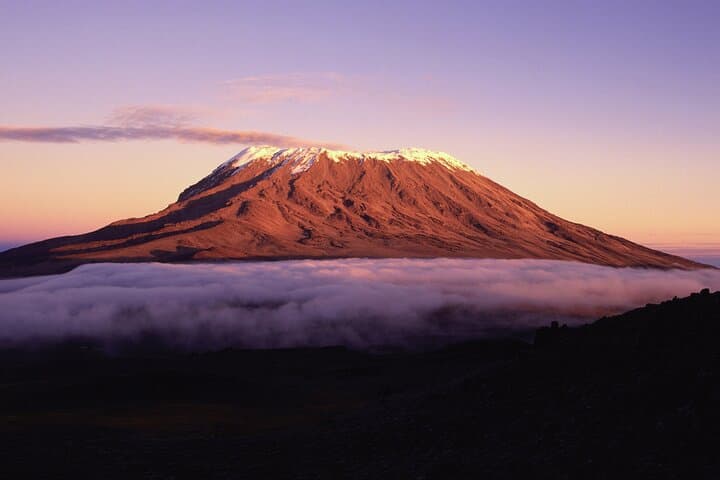
A cool pre-dawn hush hangs over the Londorossi Gate as climbers shoulder packs and step into Tanzania’s Afromontane rainforest. The trail rises steadily—first through moss-draped trees, then across the broad Shira Plateau—each day rearranging the mountain’s personality from green and soft to raw, wind-whipped rock and ice.
Verified experiences and guided adventures in the surrounding area.
Operated by Spirit of Kilimanjaro · Moshi, Kilimanjaro Region
A cool pre-dawn hush hangs over the Londorossi Gate as climbers shoulder packs and step into Tanzania’s Afromontane rainforest. The trail rises steadily—first through moss-draped trees, then across the broad Shira Plateau—each day rearranging the mountain’s personality from green and soft to raw, wind-whipped rock and ice.
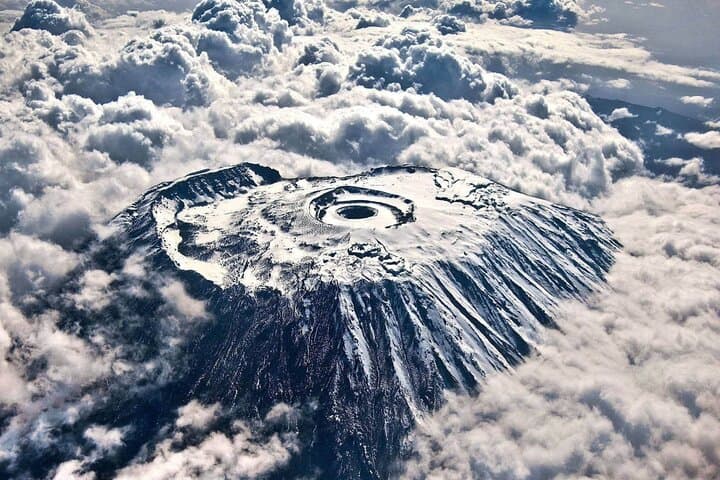
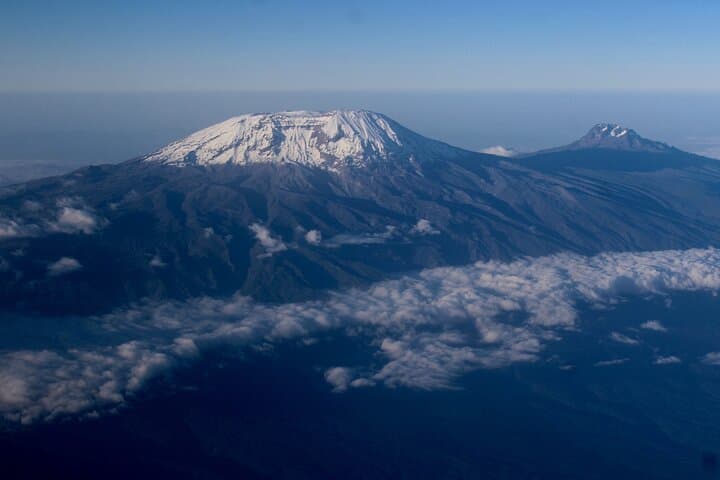
The Lemosho Route is one of Kilimanjaro’s most scenic approaches, opening on what was once a third peak of the massif: the Shira Plateau. Over eight days the itinerary crosses six ecological zones, from montane forest through heather and moorland to the alpine desert below Kibo’s summit crater. Historically, Kilimanjaro was first documented by European explorers in the 19th century and later summited in 1889; it remains a cultural landmark for the Chagga people who live on its lower slopes.
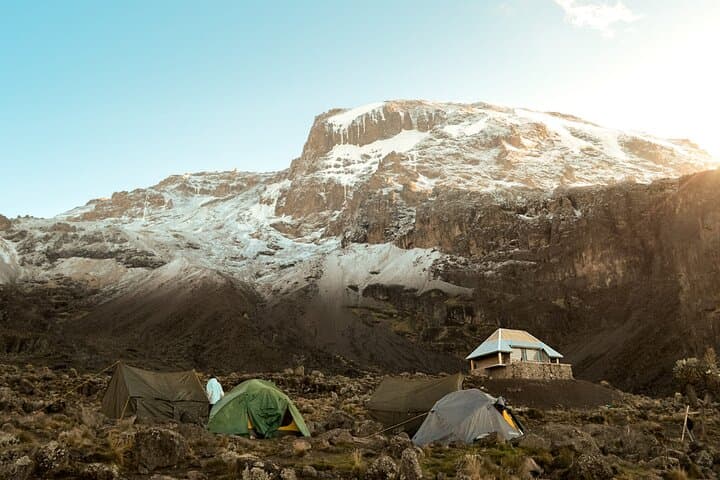
Expect variable terrain: forest tracks, rocky plateaus, steep scree and the final, cold lunar landscape above 4,600 m (15,000 ft). Daily hiking ranges from short 3–7 hour marches to the summit push that departs around midnight and reaches Uhuru Peak (19,341 ft) at sunrise. Guides emphasize slow ascent and acclimatization; nearly half of the route’s safety depends on pacing and hydration.
Practical notes: pack layered clothing for 30–40°C swings, break in mountaineering boots, and bring a sleeping bag rated for -10°C. Permit fees and park rules protect fragile alpine flora—stay on trail and carry out waste. Climbers with cardiovascular or spinal concerns should consult a physician before booking. When successful, the summit sunrise over Mawenzi is an immediate, indelible reward—earned step by deliberate step.
difficult.
8 days (full itinerary).
Good cardiovascular fitness and endurance for consecutive high‑altitude days; prior multi‑day trekking experience recommended.
Success varies with fitness, acclimatization and weather; a well‑paced 8‑day itinerary has good outcomes but is lower than longer itineraries—listen to guides and prioritize health over summit attempts.
No technical climbing is required on the normal Lemosho route; the ascent is strenuous trekking rather than technical mountaineering.
Climbers need national park permits, a passport for registration, and typically a booking through a licensed outfitter who handles permits and logistics.
Dry seasons—Jan–Mar and Jun–Oct—offer the most stable weather, clearer summit views and firmer trail conditions.
Kilimanjaro attracted European exploration in the 19th century; the first widely accepted summit was reached in 1889 and the mountain is central to local Chagga culture and livelihoods.
Kilimanjaro National Park limits access via permits and designated routes; minimize impact by staying on trail, using established camps and supporting local guide crews.
Spirit of Kilimanjaro operates guided outdoor trips and adventures with an emphasis on safety, stewardship, and memorable experiences.
A cool pre-dawn hush hangs over the Londorossi Gate as climbers shoulder packs and step into Tanzania’s Afromontane rainforest. The trail rises steadily—first through moss-draped trees, then across the broad Shira Plateau—each day rearranging the mountain’s personality from green and soft to raw, wind-whipped rock and ice.
A cool pre-dawn hush hangs over the Londorossi Gate as climbers shoulder packs and step into Tanzania’s Afromontane rainforest. The trail rises steadily—first through moss-draped trees, then across the broad Shira Plateau—each day rearranging the mountain’s personality from green and soft to raw, wind-whipped rock and ice.
The Lemosho Route is one of Kilimanjaro’s most scenic approaches, opening on what was once a third peak of the massif: the Shira Plateau. Over eight days the itinerary crosses six ecological zones, from montane forest through heather and moorland to the alpine desert below Kibo’s summit crater. Historically, Kilimanjaro was first documented by European explorers in the 19th century and later summited in 1889; it remains a cultural landmark for the Chagga people who live on its lower slopes.
Expect variable terrain: forest tracks, rocky plateaus, steep scree and the final, cold lunar landscape above 4,600 m (15,000 ft). Daily hiking ranges from short 3–7 hour marches to the summit push that departs around midnight and reaches Uhuru Peak (19,341 ft) at sunrise. Guides emphasize slow ascent and acclimatization; nearly half of the route’s safety depends on pacing and hydration.
Practical notes: pack layered clothing for 30–40°C swings, break in mountaineering boots, and bring a sleeping bag rated for -10°C. Permit fees and park rules protect fragile alpine flora—stay on trail and carry out waste. Climbers with cardiovascular or spinal concerns should consult a physician before booking. When successful, the summit sunrise over Mawenzi is an immediate, indelible reward—earned step by deliberate step.