THE ADVENTURE COLLECTIVE® · Independent discovery and booking for outdoor travel

An eight-day ascent of Kilimanjaro via the Lemosho Route that balances gradual acclimatization with sweeping views—from rainforest to the Roof of Africa. Practical notes on terrain, elevation gain and what to pack make this guide useful for first-time summit seekers.
An eight-day ascent of Kilimanjaro via the Lemosho Route that balances gradual acclimatization with sweeping views—from rainforest to the Roof of Africa. Practical notes on terrain, elevation gain and what to pack make this guide useful for first-time summit seekers.
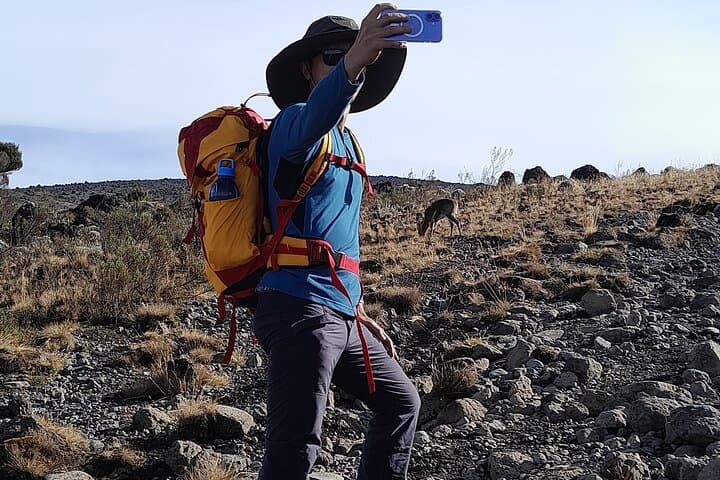
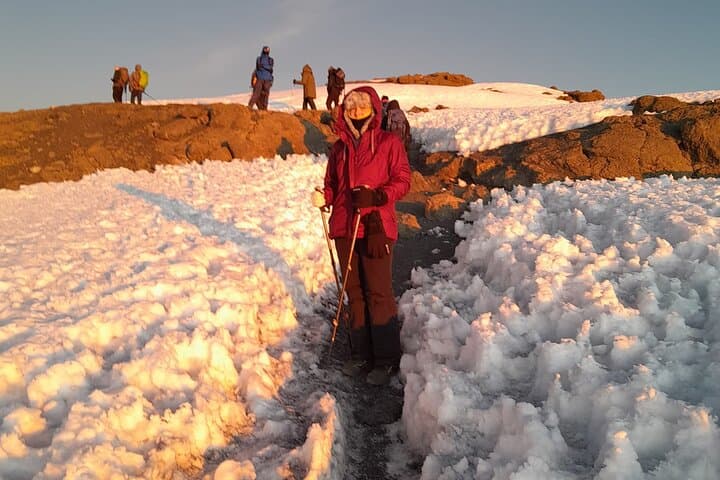
You step off the bumpy Londorossi road into a cathedral of moss and broad-leaved trees; damp air clings to your jacket and colobus monkeys chatter above. Over eight days the mountain rearranges itself under your boots — rainforest gives way to lobelia-dotted moorland, then a windswept alpine desert and finally the scree that guards Uhuru Peak.
Verified experiences and guided adventures in the surrounding area.
Operated by Mangi africa tours and safari limited · Moshi, Kilimanjaro Region
You step off the bumpy Londorossi road into a cathedral of moss and broad-leaved trees; damp air clings to your jacket and colobus monkeys chatter above. Over eight days the mountain rearranges itself under your boots — rainforest gives way to lobelia-dotted moorland, then a windswept alpine desert and finally the scree that guards Uhuru Peak.
Kilimanjaro is a volcanic massif, its three peaks (Shira, Mawenzi, Kibo) shaped by successive eruptions and long glacial retreat. The Lemosho Route approaches from the west and is prized for gradual acclimatization across varied ecological zones, increasing summit odds while offering views into the Great Rift Valley and glaciers that first drew European climbers in the 19th century—Hans Meyer’s party made the first confirmed ascent in 1889.
Cultural life centers on Moshi and the Chagga people who farm the mountain’s lower slopes; porters and guides drawn from local communities are integral to the climb and to local economies. Expect trails that range from muddy, root-laced forest paths to boulder fields and loose scree; total elevation gain is roughly 3,700–3,800 m from trailhead to Uhuru Peak (5,895 m).
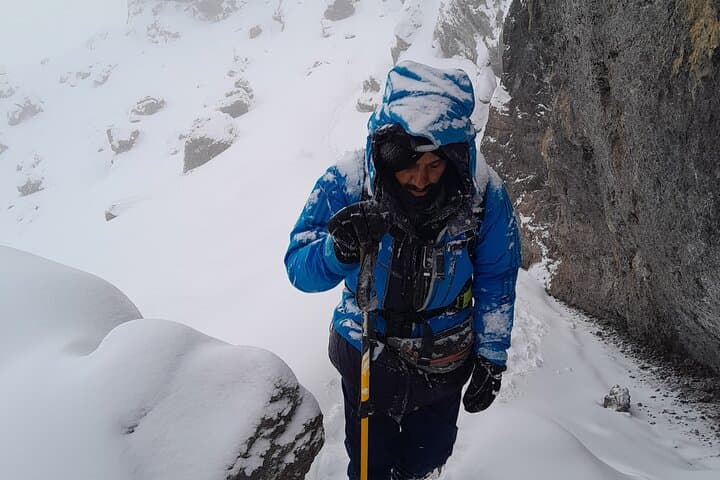
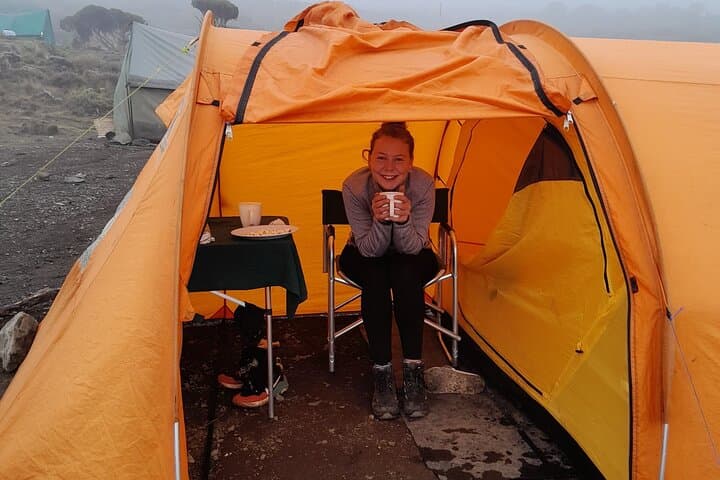
Practical guidance: pace yourself — trekking uses short, steady steps on steep sections; follow the guide’s acclimatization plan (the itinerary uses “climb high, sleep low” techniques). Hydrate, eat often, and layer for large temperature swings (overnight at Barafu can drop well below freezing). Footwear with firm ankle support, gaiters, and a headlamp for summit night are non-negotiable. Allow a full eight days to maximize acclimatization and summit success.
challenging.
8 days.
Good aerobic fitness with experience hiking 4–8 hours a day; comfortable with long days and altitude.
The main dry seasons—January to mid-March and June to October—offer the most stable weather and higher summit success rates.
No technical mountaineering skills are required; some scrambling (e.g., Barranco Wall) is needed but guides assist. Good balance and comfort on steep terrain help.
It’s common; the Lemosho itinerary emphasizes gradual ascent and acclimatization, but symptoms can still occur—notify your guide and follow their advice immediately.
Most group packages include national park permits, camping/hut fees and rescue services—confirm details with your operator before booking.
Kilimanjaro’s first confirmed ascent was in 1889; the mountain has been a cultural and agricultural landmark for the Chagga communities for centuries.
Kilimanjaro National Park manages permits and waste protocols; choose operators who follow porter welfare guidelines and carry out waste to minimize impact.
Mangi africa tours and safari limited operates guided outdoor trips and adventures with an emphasis on safety, stewardship, and memorable experiences.
You step off the bumpy Londorossi road into a cathedral of moss and broad-leaved trees; damp air clings to your jacket and colobus monkeys chatter above. Over eight days the mountain rearranges itself under your boots — rainforest gives way to lobelia-dotted moorland, then a windswept alpine desert and finally the scree that guards Uhuru Peak.
You step off the bumpy Londorossi road into a cathedral of moss and broad-leaved trees; damp air clings to your jacket and colobus monkeys chatter above. Over eight days the mountain rearranges itself under your boots — rainforest gives way to lobelia-dotted moorland, then a windswept alpine desert and finally the scree that guards Uhuru Peak.
Kilimanjaro is a volcanic massif, its three peaks (Shira, Mawenzi, Kibo) shaped by successive eruptions and long glacial retreat. The Lemosho Route approaches from the west and is prized for gradual acclimatization across varied ecological zones, increasing summit odds while offering views into the Great Rift Valley and glaciers that first drew European climbers in the 19th century—Hans Meyer’s party made the first confirmed ascent in 1889.
Cultural life centers on Moshi and the Chagga people who farm the mountain’s lower slopes; porters and guides drawn from local communities are integral to the climb and to local economies. Expect trails that range from muddy, root-laced forest paths to boulder fields and loose scree; total elevation gain is roughly 3,700–3,800 m from trailhead to Uhuru Peak (5,895 m).
Practical guidance: pace yourself — trekking uses short, steady steps on steep sections; follow the guide’s acclimatization plan (the itinerary uses “climb high, sleep low” techniques). Hydrate, eat often, and layer for large temperature swings (overnight at Barafu can drop well below freezing). Footwear with firm ankle support, gaiters, and a headlamp for summit night are non-negotiable. Allow a full eight days to maximize acclimatization and summit success.