THE ADVENTURE COLLECTIVE® · Independent discovery and booking for outdoor travel

A five-day ascent of Mount Kilimanjaro via the Marangu Route combines hut-based nights and steady mileage through distinct ecological zones. This practical guide outlines what to expect, how to prepare, and on-trail realities of the oldest established path to Uhuru Peak.
A five-day ascent of Mount Kilimanjaro via the Marangu Route combines hut-based nights and steady mileage through distinct ecological zones. This practical guide outlines what to expect, how to prepare, and on-trail realities of the oldest established path to Uhuru Peak.
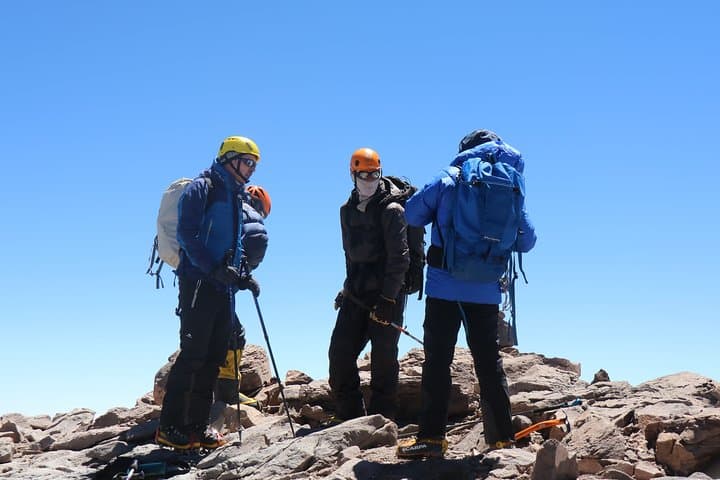
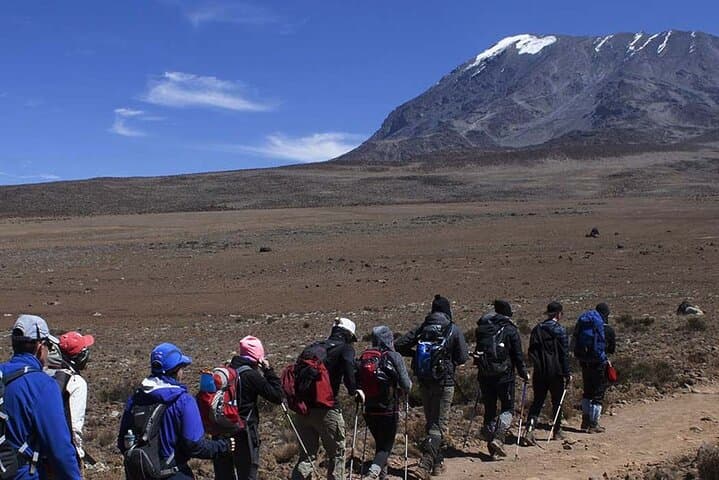
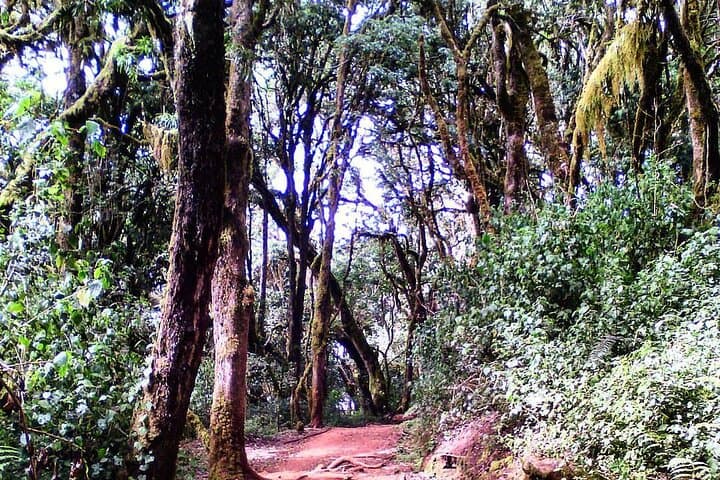
Night and day trade places on Kilimanjaro’s southern flank as a team of trekkers threads the Marangu trail. Headlamps blink through rainforest canopy at first light, then the path opens to lobelia-studded moorland and a wide, wind-scoured saddle between Kibo and Mawenzi. By midnight on summit night the mountain is a chorus of quiet steps and soft breathing, every pair of boots focused on the crater rim.
Verified experiences and guided adventures in the surrounding area.
Operated by African polecat safaris · Moshi, Kilimanjaro Region
Night and day trade places on Kilimanjaro’s southern flank as a team of trekkers threads the Marangu trail. Headlamps blink through rainforest canopy at first light, then the path opens to lobelia-studded moorland and a wide, wind-scoured saddle between Kibo and Mawenzi. By midnight on summit night the mountain is a chorus of quiet steps and soft breathing, every pair of boots focused on the crater rim.
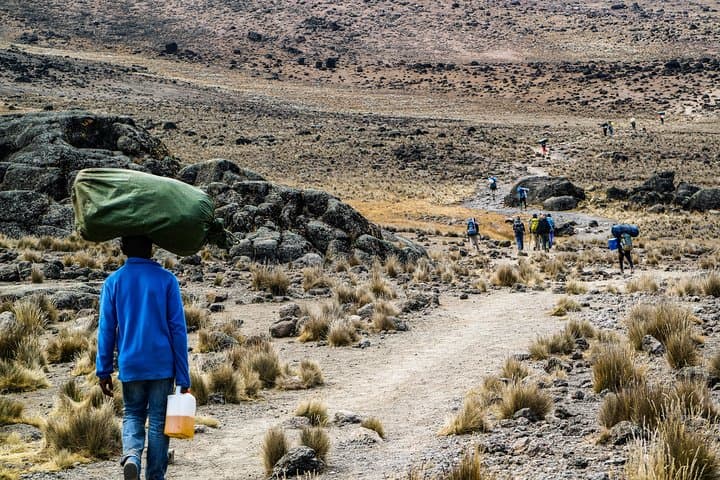
Marangu is the oldest and most established route on Africa’s highest peak. The massif itself is a dormant stratovolcano with three volcanic cones — Kibo, Mawenzi and Shira — and the climb passes distinct ecological zones: montane forest, heath, alpine desert and the final glacial crater rim. Local Chagga communities have long farmed the lower slopes, and porters and guides drawn from those villages form the human backbone of every summit attempt.
Practically, expect five days of steady gain with long summit night hours. The route uses hut-based sleeping which reduces pack weight but doesn’t remove altitude strain; acclimatization and slow, deliberate pacing (“pole pole”) are essential. Terrain varies from muddy rainforest to loose volcanic scree and occasional snow near Uhuru Peak; weather can flip from warm sun to sub-zero wind in hours.
Plan hydration and layered insulation, bring a reliable headlamp for summit push, and budget extra time for acclimatization if you’re not already altitude-hardened. Respect park rules, carry out litter, and prepare to tip the crew who make the climb possible. Reach the rim and the sunrise over the African plains is uncompromising — a hard-earned, panoramic reward.
challenging.
5 days.
Good aerobic fitness with experience on multi-day hikes; ability to walk 6–8 hours on consecutive days and cope with high altitude.
Marangu is considered one of the easiest routes in technical terms, and many operators report high summit rates; success still depends on acclimatization, fitness, and weather.
No specialized mountaineering gear is required for the Marangu route, but crampons and an ice axe may be necessary in heavy snow—your operator will advise.
Huts are dormitory-style with basic bunks and mattresses; expect communal sleeping and limited electric charging; bring a warm sleeping liner.
Acute mountain sickness is the primary risk—ascend slowly, hydrate, recognize symptoms, and descend immediately if severe.
Kilimanjaro’s Marangu route was developed in the early 20th century and follows paths used by local Chagga communities; Uhuru Peak is the highest point on a freestanding mountain in Africa.
Kilimanjaro National Park requires permits that fund conservation; stay on trails, pack out waste, and avoid collecting firewood to protect fragile alpine vegetation.
African polecat safaris operates guided outdoor trips and adventures with an emphasis on safety, stewardship, and memorable experiences.
Night and day trade places on Kilimanjaro’s southern flank as a team of trekkers threads the Marangu trail. Headlamps blink through rainforest canopy at first light, then the path opens to lobelia-studded moorland and a wide, wind-scoured saddle between Kibo and Mawenzi. By midnight on summit night the mountain is a chorus of quiet steps and soft breathing, every pair of boots focused on the crater rim.
Night and day trade places on Kilimanjaro’s southern flank as a team of trekkers threads the Marangu trail. Headlamps blink through rainforest canopy at first light, then the path opens to lobelia-studded moorland and a wide, wind-scoured saddle between Kibo and Mawenzi. By midnight on summit night the mountain is a chorus of quiet steps and soft breathing, every pair of boots focused on the crater rim.
Marangu is the oldest and most established route on Africa’s highest peak. The massif itself is a dormant stratovolcano with three volcanic cones — Kibo, Mawenzi and Shira — and the climb passes distinct ecological zones: montane forest, heath, alpine desert and the final glacial crater rim. Local Chagga communities have long farmed the lower slopes, and porters and guides drawn from those villages form the human backbone of every summit attempt.
Practically, expect five days of steady gain with long summit night hours. The route uses hut-based sleeping which reduces pack weight but doesn’t remove altitude strain; acclimatization and slow, deliberate pacing (“pole pole”) are essential. Terrain varies from muddy rainforest to loose volcanic scree and occasional snow near Uhuru Peak; weather can flip from warm sun to sub-zero wind in hours.
Plan hydration and layered insulation, bring a reliable headlamp for summit push, and budget extra time for acclimatization if you’re not already altitude-hardened. Respect park rules, carry out litter, and prepare to tip the crew who make the climb possible. Reach the rim and the sunrise over the African plains is uncompromising — a hard-earned, panoramic reward.