THE ADVENTURE COLLECTIVE® · Independent discovery and booking for outdoor travel

A compact, non-technical trek from Marangu Gate to Mandara Hut that showcases Kilimanjaro’s rainforest, wildlife, and cultural foothills. Ideal for travelers who want a high-altitude experience without overnight camping.
A compact, non-technical trek from Marangu Gate to Mandara Hut that showcases Kilimanjaro’s rainforest, wildlife, and cultural foothills. Ideal for travelers who want a high-altitude experience without overnight camping.
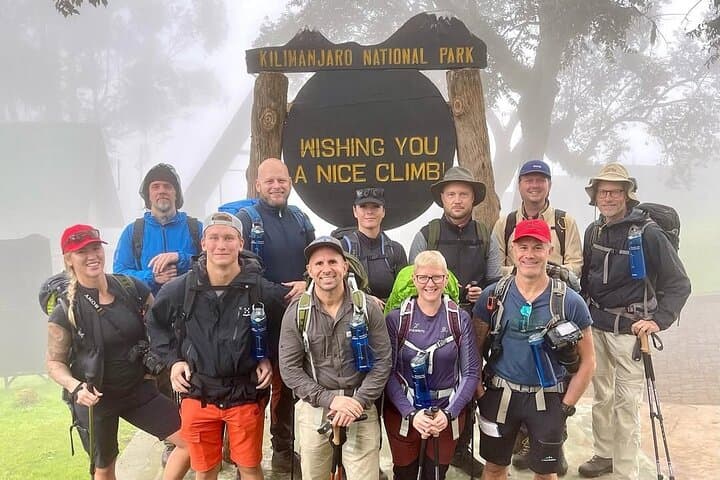
You step out of the vehicle at Marangu Gate and the mountain inhales around you — a wall of wet forest and trailing vines that seems to pull the air uphill.
Verified experiences and guided adventures in the surrounding area.
Operated by Hillborn Organic Coffee · Moshi, Kilimanjaro Region
You step out of the vehicle at Marangu Gate and the mountain inhales around you — a wall of wet forest and trailing vines that seems to pull the air uphill.
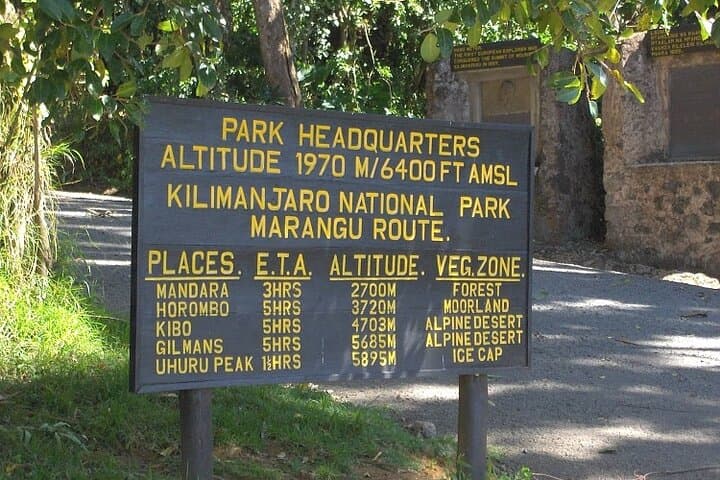
This half-day hike threads the lower slopes of Mount Kilimanjaro, moving from humid rainforest at 1,860 m to the clear terraces around Mandara Hut at 2,700 m. Geological time here reads like a vertical atlas: volcanic soils give way to ancient lava flows higher on Kibo, and on clear days the ghost of the summit’s once-vast ice cap sits on the horizon.
The trail runs through habitat long used by the Chagga people, whose farms and coffee plots ring the mountain’s base, and local guides will often point out cultural markers and stories tied to the route. Wildlife is present and direct — blue monkeys and colorful turacos move through the canopy, while the forest floor holds shy duikers.
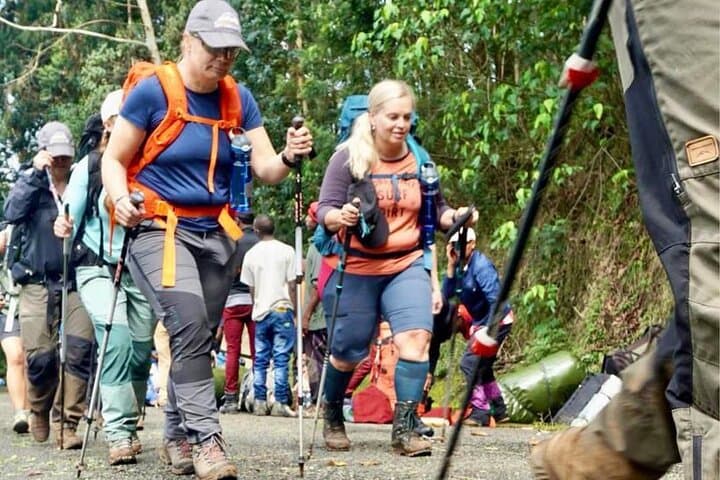
Practically speaking, the route is non-technical and well-marked, but altitude and weather shift quickly. The outward climb to Mandara Hut is steady and often muddy; Maundi Crater, a short optional push, rewards clear-day panoramas. Lunch at Mandara Hut is a common regroup point before descending the same trail to Marangu Gate.
Bring layered clothing, waterproof shoes, and at least 1–2 liters of water; your guide will handle permits and registration. Start early to avoid afternoon clouds, listen for signs of altitude strain, and leave no trace — the mountain’s ecosystems are sensitive and trails concentrate impact. This is a compact, accessible taste of Kilimanjaro that emphasizes forest, culture, and straightforward mountain hiking.
moderate.
4–5 hours.
Suitable for people in decent aerobic shape; expect steady uphill walking with some muddy or rooty sections
The listed duration is about 5 hours round trip; the route is non-technical but involves steady elevation gain to 2,700 m and can feel strenuous for unacclimated hikers.
The hike is commonly considered accessible for most ages in good general health, but check mobility and acclimatization needs; pregnant travelers are not recommended.
Entry is managed at Marangu Gate and the hike is guided as part of the tour—your guide handles registration and local logistics.
Wildlife sightings are common in the rainforest; expect birds like turacos and primates such as blue monkeys, though sightings are never guaranteed.
The Marangu route runs through lands historically farmed by the Chagga people; their settlements and coffee terraces shape the mountain’s lower slopes.
Kilimanjaro’s ecological zones are sensitive and its glaciers are receding; stay on marked trails, avoid single-use plastics, and follow guide instructions to limit erosion and waste.
Hillborn Organic Coffee operates guided outdoor trips and adventures with an emphasis on safety, stewardship, and memorable experiences.
You step out of the vehicle at Marangu Gate and the mountain inhales around you — a wall of wet forest and trailing vines that seems to pull the air uphill.
You step out of the vehicle at Marangu Gate and the mountain inhales around you — a wall of wet forest and trailing vines that seems to pull the air uphill.
This half-day hike threads the lower slopes of Mount Kilimanjaro, moving from humid rainforest at 1,860 m to the clear terraces around Mandara Hut at 2,700 m. Geological time here reads like a vertical atlas: volcanic soils give way to ancient lava flows higher on Kibo, and on clear days the ghost of the summit’s once-vast ice cap sits on the horizon.
The trail runs through habitat long used by the Chagga people, whose farms and coffee plots ring the mountain’s base, and local guides will often point out cultural markers and stories tied to the route. Wildlife is present and direct — blue monkeys and colorful turacos move through the canopy, while the forest floor holds shy duikers.
Practically speaking, the route is non-technical and well-marked, but altitude and weather shift quickly. The outward climb to Mandara Hut is steady and often muddy; Maundi Crater, a short optional push, rewards clear-day panoramas. Lunch at Mandara Hut is a common regroup point before descending the same trail to Marangu Gate.
Bring layered clothing, waterproof shoes, and at least 1–2 liters of water; your guide will handle permits and registration. Start early to avoid afternoon clouds, listen for signs of altitude strain, and leave no trace — the mountain’s ecosystems are sensitive and trails concentrate impact. This is a compact, accessible taste of Kilimanjaro that emphasizes forest, culture, and straightforward mountain hiking.