THE ADVENTURE COLLECTIVE® · Independent discovery and booking for outdoor travel

Seven days on the Lemosho route move you from rainforest to arctic summit, blending dramatic geology, Chagga culture, and methodical acclimatization. Read on for terrain details, practical tips, and what to expect on summit night.
Seven days on the Lemosho route move you from rainforest to arctic summit, blending dramatic geology, Chagga culture, and methodical acclimatization. Read on for terrain details, practical tips, and what to expect on summit night.
Night bites at 3 a.m. and headlamps stitch a silver line up the slope — this is the Lemosho route on Kilimanjaro, where the mountain’s moods reveal themselves over seven steady days.
Verified experiences and guided adventures in the surrounding area.
Operated by Kilinge Adventures · Moshi, Kilimanjaro Region
Night bites at 3 a.m. and headlamps stitch a silver line up the slope — this is the Lemosho route on Kilimanjaro, where the mountain’s moods reveal themselves over seven steady days.
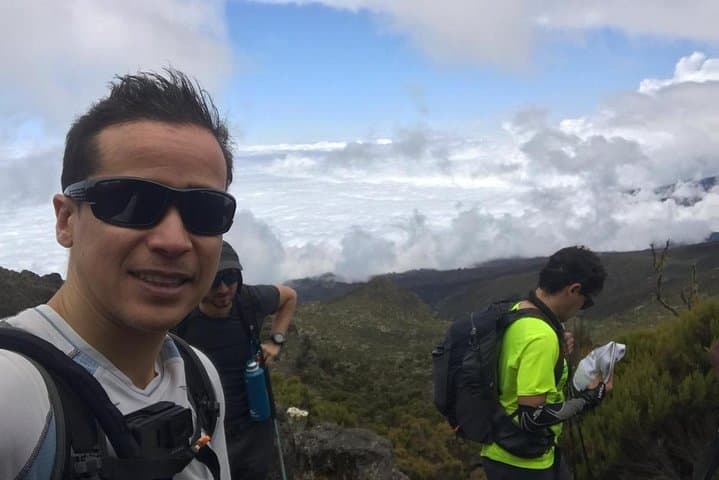
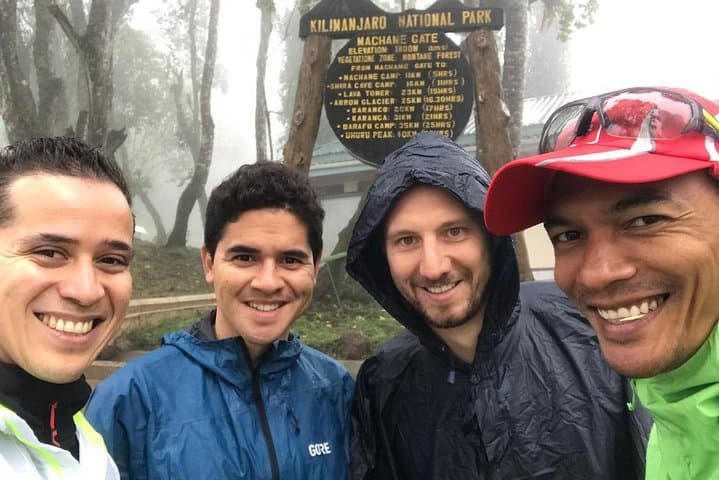
You begin in the rain forest, where moss slicks the trail and colobus monkeys watch from the canopy, then cross moorland into the Shira Plateau — an ancient volcanic tableland that exposes Kilimanjaro’s 750,000-year geologic story of lava, ash and glacial sculpting. The route takes you past Lava Tower, across arid alpine desert, and up to Barafu before the thin-air, predawn push to Stella Point and Uhuru Peak. Along the way, local Chagga culture threads through villages below Moshi: coffee farms, stone terraces and porters whose mountain knowledge is the backbone of every summit.
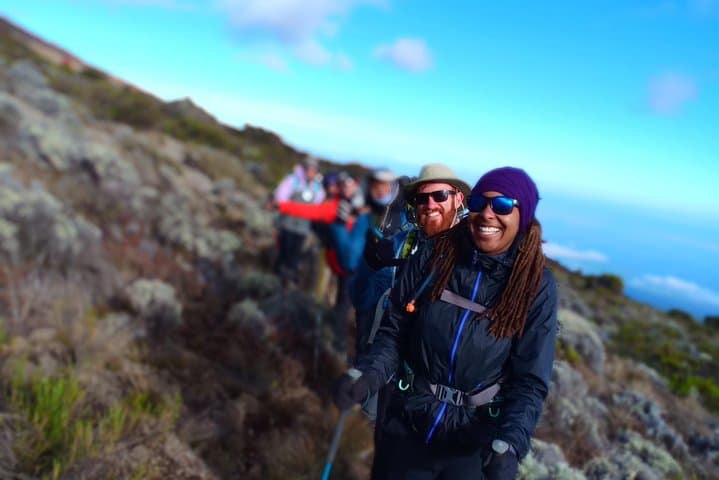
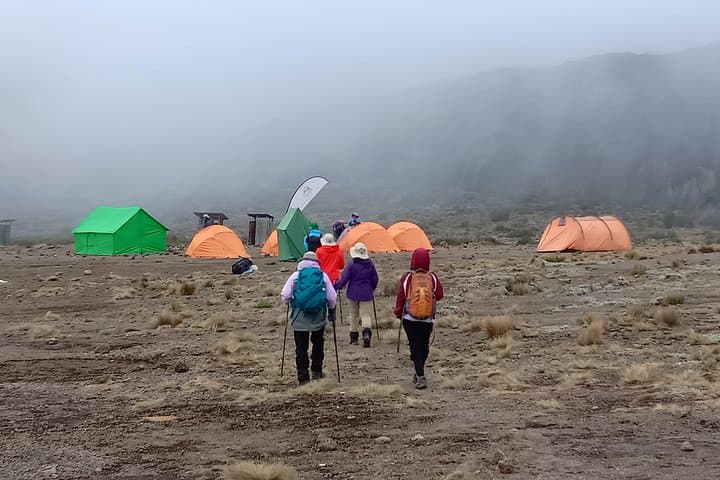
Expect a gradual but committed climb: daily hiking between 3–10 hours, with key acclimatization days at Shira and Moir Hut. Terrain shifts from muddy forest tracks to tussock and volcanic scree; summit night is steep, rocky and cold with temperatures that can plummet below freezing. Guides, cooks and porters handle camp logistics and meals — you carry a daypack and the small comforts you need.
Practical edge: bring layered clothing, a reliable headlamp, trekking poles and a plan for slow ascent — the route’s success hinges on steady pacing and hydration. Book with operators that treat porters ethically and include rescue insurance. For anyone fit enough for long days and keen on high-altitude trekking, Lemosho is an immersive, achievable line to Africa’s rooftop.
challenging.
7 days (6 nights on mountain).
Good cardiovascular fitness with experience hiking 4–8 hours a day; ability to carry a 6–10 kg daypack.
It’s challenging: long hiking days and a high-altitude summit push require good aerobic fitness and experience with multi-day trekking, but no technical climbing skills.
June–October and January–February are drier windows with more stable summit conditions; shoulder months can still work but expect more rain on lower slopes.
Professional operators supply guides, cooks and porters; choose companies that follow porter welfare policies and provide fair pay and proper equipment for crew.
Acute mountain sickness is the main risk; the itinerary includes acclimatization days and experienced guides monitor symptoms — descent is the primary treatment if symptoms worsen.
Kilimanjaro is a stratovolcano built by successive eruptions; its glaciation has receded dramatically since the late 19th century, shaping local climate and water systems.
Mount Kilimanjaro National Park protects fragile alpine ecosystems; stick to trails, avoid single-use plastics, and support operators who follow park regulations and porter care guidelines.
Kilinge Adventures operates guided outdoor trips and adventures with an emphasis on safety, stewardship, and memorable experiences.
Night bites at 3 a.m. and headlamps stitch a silver line up the slope — this is the Lemosho route on Kilimanjaro, where the mountain’s moods reveal themselves over seven steady days.
Night bites at 3 a.m. and headlamps stitch a silver line up the slope — this is the Lemosho route on Kilimanjaro, where the mountain’s moods reveal themselves over seven steady days.
You begin in the rain forest, where moss slicks the trail and colobus monkeys watch from the canopy, then cross moorland into the Shira Plateau — an ancient volcanic tableland that exposes Kilimanjaro’s 750,000-year geologic story of lava, ash and glacial sculpting. The route takes you past Lava Tower, across arid alpine desert, and up to Barafu before the thin-air, predawn push to Stella Point and Uhuru Peak. Along the way, local Chagga culture threads through villages below Moshi: coffee farms, stone terraces and porters whose mountain knowledge is the backbone of every summit.
Expect a gradual but committed climb: daily hiking between 3–10 hours, with key acclimatization days at Shira and Moir Hut. Terrain shifts from muddy forest tracks to tussock and volcanic scree; summit night is steep, rocky and cold with temperatures that can plummet below freezing. Guides, cooks and porters handle camp logistics and meals — you carry a daypack and the small comforts you need.
Practical edge: bring layered clothing, a reliable headlamp, trekking poles and a plan for slow ascent — the route’s success hinges on steady pacing and hydration. Book with operators that treat porters ethically and include rescue insurance. For anyone fit enough for long days and keen on high-altitude trekking, Lemosho is an immersive, achievable line to Africa’s rooftop.