THE ADVENTURE COLLECTIVE® · Independent discovery and booking for outdoor travel

Spend a full day walking the Marangu Route from Moshi into Kilimanjaro’s rainforest and up to Mandara Hut. This guided trek offers a condensed, authentic experience of the mountain’s vegetation zones, local culture, and volcanic geology—without committing to a summit attempt.
Spend a full day walking the Marangu Route from Moshi into Kilimanjaro’s rainforest and up to Mandara Hut. This guided trek offers a condensed, authentic experience of the mountain’s vegetation zones, local culture, and volcanic geology—without committing to a summit attempt.
Morning light pours through giant lobelias as the guide calls the group together at Marangu Gate. The trail immediately slips into cool, wet rainforest—mossed trunks lean like old climbers and the path threads between fern grottos and trickling streams. By midmorning the forest opens onto ericaceous moorland and the sharp silhouette of Mawenzi and Kibo appears, distant and uncompromising.
Verified experiences and guided adventures in the surrounding area.
Operated by ZULU TANZANIA SAFARI · Moshi, Kilimanjaro Region
Morning light pours through giant lobelias as the guide calls the group together at Marangu Gate. The trail immediately slips into cool, wet rainforest—mossed trunks lean like old climbers and the path threads between fern grottos and trickling streams. By midmorning the forest opens onto ericaceous moorland and the sharp silhouette of Mawenzi and Kibo appears, distant and uncompromising.
The Marangu Route has been the classic southern approach since the early 20th century, used by missionaries, colonial expeditions and modern mountaineers. Geologically, Kilimanjaro rises from the East African Rift; its volcanic cones and ash soils create distinct vegetation zones from lowland farms through montane forest to alpine desert. Culturally, the Chagga people have managed these foothills for generations—look for terraced farms and roadside coffee stands on the drive from Moshi.
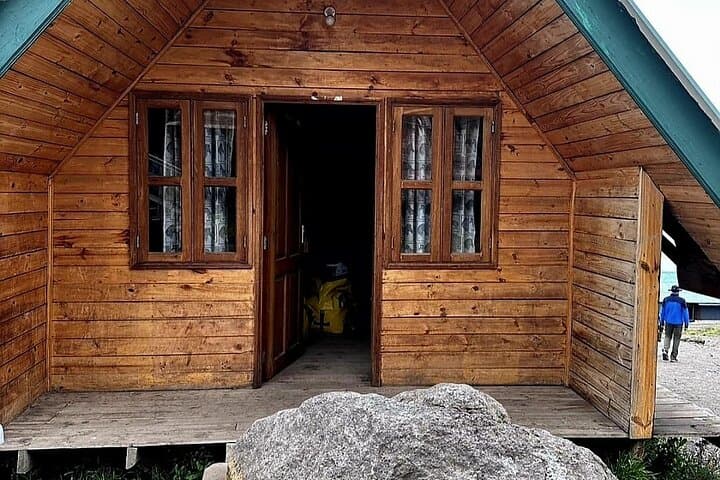
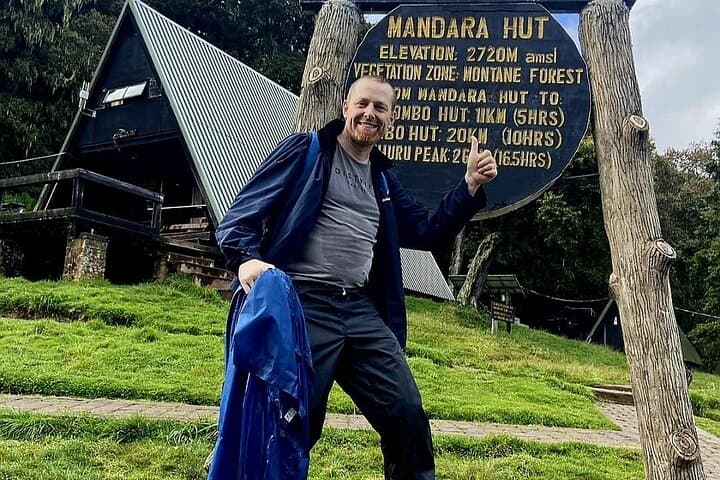
Practical guidance: the day hike starts at Marangu Gate (1,870 m) and climbs to Mandara Hut (≈2,700 m) before returning—expect 6–8 hours of walking on well-defined trails with moderate elevation gain. Wear broken-in boots, bring layers for variable mountain weather, and carry at least 2–3 liters of water; guides provide lunch and park registration. Altitude is a factor—this route gives a taste of higher terrain but is not a summit attempt; slow pacing and hydration help reduce symptoms.
Leave no trace: stay on the path, pack out litter and respect local wildlife. Early starts avoid afternoon showers and improve wildlife sightings, while a knowledgeable guide connects the route’s natural history to the human stories etched into Kilimanjaro’s slopes.
moderate.
6–8 hours.
Suitable for hikers in average fitness who can handle several hours of uphill walking and moderate elevation gain; good cardiovascular health recommended.
The standard day hike begins at Marangu Gate, ascends to Mandara Hut (≈2,700 m) and returns—plan on 6–8 hours with moderate elevation gain and well-defined trails.
No prior summit experience is required, but you should be comfortable with sustained uphill walking; mild altitude effects are possible and pacing plus hydration reduce risk.
Guided day-hike bookings typically include park registration handled at Marangu Gate; confirm with your operator whether fees are covered in your booking price.
Yes—expect birdlife and primates in the rainforest zone (e.g., blue and colobus monkeys); sightings vary by season and time of day.
The Marangu Route was among the first established approaches and has long served porters, guides and Chagga villages that manage the mountain’s lower slopes.
Kilimanjaro National Park protects these zones, but warming temperatures and forest loss pressure ecosystems—stay on trails, avoid single-use plastics and follow guide instructions.
ZULU TANZANIA SAFARI operates guided outdoor trips and adventures with an emphasis on safety, stewardship, and memorable experiences.
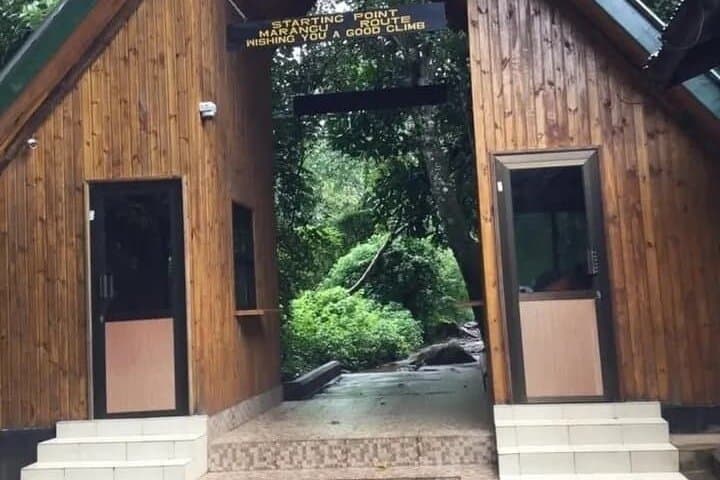
Morning light pours through giant lobelias as the guide calls the group together at Marangu Gate. The trail immediately slips into cool, wet rainforest—mossed trunks lean like old climbers and the path threads between fern grottos and trickling streams. By midmorning the forest opens onto ericaceous moorland and the sharp silhouette of Mawenzi and Kibo appears, distant and uncompromising.
Morning light pours through giant lobelias as the guide calls the group together at Marangu Gate. The trail immediately slips into cool, wet rainforest—mossed trunks lean like old climbers and the path threads between fern grottos and trickling streams. By midmorning the forest opens onto ericaceous moorland and the sharp silhouette of Mawenzi and Kibo appears, distant and uncompromising.
The Marangu Route has been the classic southern approach since the early 20th century, used by missionaries, colonial expeditions and modern mountaineers. Geologically, Kilimanjaro rises from the East African Rift; its volcanic cones and ash soils create distinct vegetation zones from lowland farms through montane forest to alpine desert. Culturally, the Chagga people have managed these foothills for generations—look for terraced farms and roadside coffee stands on the drive from Moshi.
Practical guidance: the day hike starts at Marangu Gate (1,870 m) and climbs to Mandara Hut (≈2,700 m) before returning—expect 6–8 hours of walking on well-defined trails with moderate elevation gain. Wear broken-in boots, bring layers for variable mountain weather, and carry at least 2–3 liters of water; guides provide lunch and park registration. Altitude is a factor—this route gives a taste of higher terrain but is not a summit attempt; slow pacing and hydration help reduce symptoms.
Leave no trace: stay on the path, pack out litter and respect local wildlife. Early starts avoid afternoon showers and improve wildlife sightings, while a knowledgeable guide connects the route’s natural history to the human stories etched into Kilimanjaro’s slopes.