THE ADVENTURE COLLECTIVE® · Independent discovery and booking for outdoor travel

Seven days on the Machame Route takes you from rainforest to the roof of Africa. This guide explains the route’s stages, what to expect each day, and practical tips for a successful summit push to Uhuru Peak.
Seven days on the Machame Route takes you from rainforest to the roof of Africa. This guide explains the route’s stages, what to expect each day, and practical tips for a successful summit push to Uhuru Peak.
Night drifts over Moshi and the dark bulk of Kilimanjaro rises ahead like a promise. On the first morning you leave the town’s warm air for wet, green rainforest; the trail climbs through dripping ferns and then opens onto the wide, wind-battered Shira Plateau where the mountain begins to show its raw, volcanic bones.
Verified experiences and guided adventures in the surrounding area.
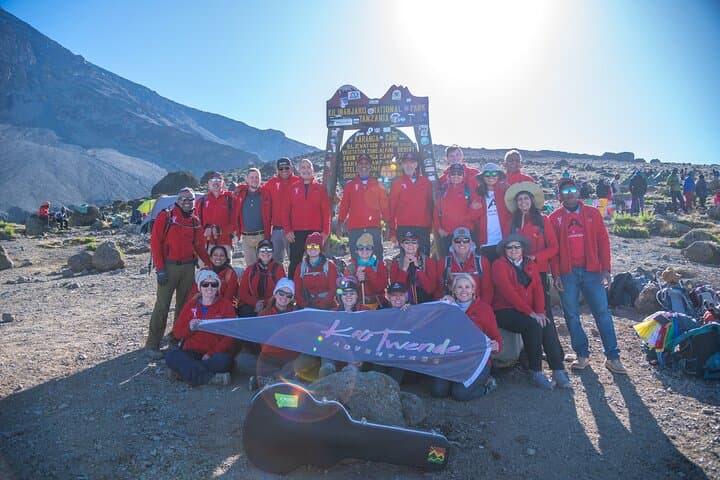
Operated by Kilitwende Adventures · Moshi, Kilimanjaro
Night drifts over Moshi and the dark bulk of Kilimanjaro rises ahead like a promise. On the first morning you leave the town’s warm air for wet, green rainforest; the trail climbs through dripping ferns and then opens onto the wide, wind-battered Shira Plateau where the mountain begins to show its raw, volcanic bones.
Machame Route traces a varied vertical world — rainforest, heath, moorland, alpine desert and finally an arctic summit. The route became popular because it balances scenery with acclimatization: long days that gain and lose altitude, an acclimatization boost at Lava Tower, and a summit push from Barafu in the small hours. Geologically, Kilimanjaro is a dormant stratovolcano made of three cones (Kibo houses Uhuru Peak), and its glaciers, once extensive, have been visibly retreating in recent decades.
Culturally, the climb threads local Chagga farmlands and villages where guide teams often come from; porter welfare and licensed guides are part of the park rules.
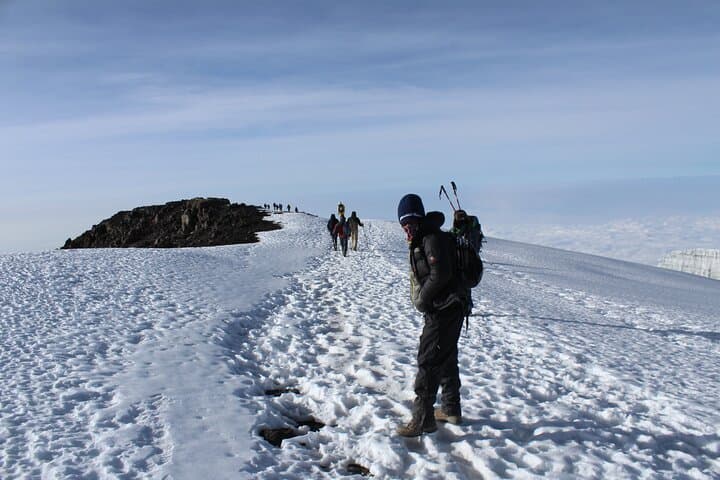
Practical guidance: plan for seven days, train with hill repeats and back-to-back long days, and treat altitude seriously — hydrate, eat, and monitor symptoms. Footwear with firm ankle support, layered insulation for cold summit hours, trekking poles, and a reliable headlamp are essential. Expect mixed terrain underfoot: muddy forest trails, rocky ridges, scree slopes and hard-packed alpine ground. Weather shifts quickly; mornings can be calm and nights brutally cold. The summit is a long, slow push in the dark that rewards you at sunrise with Stella Point and the small, windy platform of Uhuru Peak.
challenging.
7 days.
Good aerobic fitness with experience on multiday hikes and back-to-back long days; training should include hill repeats and endurance hikes.
No technical climbing skills are required, but prior multiday trekking experience and solid fitness are important due to altitude and long summit-day hours.
Altitude sickness is a real risk; the seven-day itinerary improves acclimatization. Guides monitor symptoms, enforce rest, and carry oxygen and evacuation plans if needed.
Camping includes sleeping tents, mattresses and a dining/messtent; portable flush toilets and toilet tents are supplied on this itinerary.
Book as early as possible for June–September and December–January; groups are typically private for this product but guides often arrange porter teams per climber following park regulations.
Kilimanjaro has long been significant to local Chagga communities; the peak was first recorded summited by Hans Meyer and Ludwig Purtscheller in 1889.
Kilimanjaro’s glaciers are rapidly retreating; climbs should use licensed operators who follow park rules, pay fair porter wages, and minimize waste.
Kilitwende Adventures operates guided outdoor trips and adventures with an emphasis on safety, stewardship, and memorable experiences.
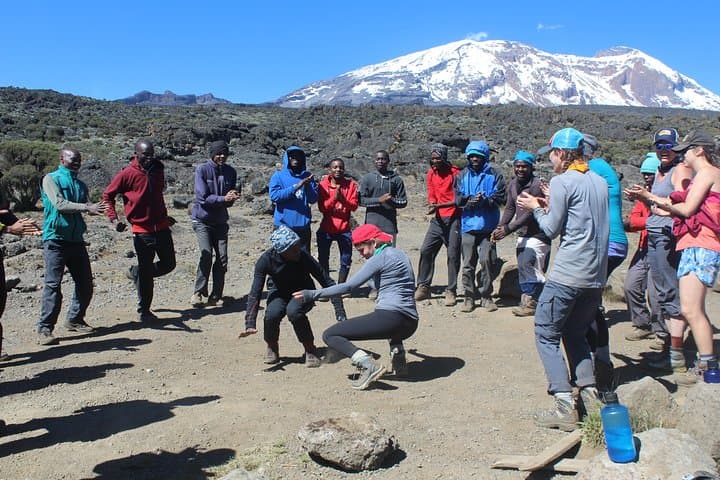
Night drifts over Moshi and the dark bulk of Kilimanjaro rises ahead like a promise. On the first morning you leave the town’s warm air for wet, green rainforest; the trail climbs through dripping ferns and then opens onto the wide, wind-battered Shira Plateau where the mountain begins to show its raw, volcanic bones.
Night drifts over Moshi and the dark bulk of Kilimanjaro rises ahead like a promise. On the first morning you leave the town’s warm air for wet, green rainforest; the trail climbs through dripping ferns and then opens onto the wide, wind-battered Shira Plateau where the mountain begins to show its raw, volcanic bones.
Machame Route traces a varied vertical world — rainforest, heath, moorland, alpine desert and finally an arctic summit. The route became popular because it balances scenery with acclimatization: long days that gain and lose altitude, an acclimatization boost at Lava Tower, and a summit push from Barafu in the small hours. Geologically, Kilimanjaro is a dormant stratovolcano made of three cones (Kibo houses Uhuru Peak), and its glaciers, once extensive, have been visibly retreating in recent decades.
Culturally, the climb threads local Chagga farmlands and villages where guide teams often come from; porter welfare and licensed guides are part of the park rules.
Practical guidance: plan for seven days, train with hill repeats and back-to-back long days, and treat altitude seriously — hydrate, eat, and monitor symptoms. Footwear with firm ankle support, layered insulation for cold summit hours, trekking poles, and a reliable headlamp are essential. Expect mixed terrain underfoot: muddy forest trails, rocky ridges, scree slopes and hard-packed alpine ground. Weather shifts quickly; mornings can be calm and nights brutally cold. The summit is a long, slow push in the dark that rewards you at sunrise with Stella Point and the small, windy platform of Uhuru Peak.