THE ADVENTURE COLLECTIVE® · Independent discovery and booking for outdoor travel

A compact, hut-based 2-day trek on Kilimanjaro’s Marangu Route that reaches Mandara and Horombo Huts without summiting. Ideal for hikers who want high-elevation terrain, alpine views, and hut accommodations over an intensive weekend.
A compact, hut-based 2-day trek on Kilimanjaro’s Marangu Route that reaches Mandara and Horombo Huts without summiting. Ideal for hikers who want high-elevation terrain, alpine views, and hut accommodations over an intensive weekend.
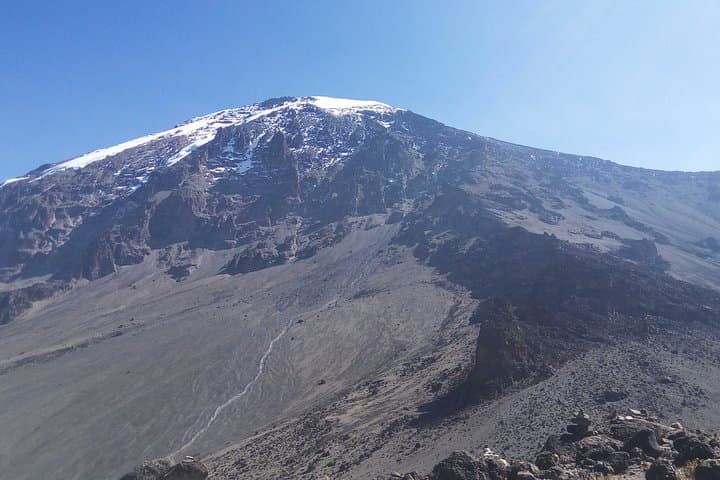
You step out of the van at the Kilimanjaro Park gate and the mountain fills the sky—clouds dragging across Kibo’s icecap while eucalyptus trunks loom like sentinels at the rainforest edge.
Verified experiences and guided adventures in the surrounding area.
Operated by Bujo Tours · Moshi, Kilimanjaro Region
You step out of the van at the Kilimanjaro Park gate and the mountain fills the sky—clouds dragging across Kibo’s icecap while eucalyptus trunks loom like sentinels at the rainforest edge.
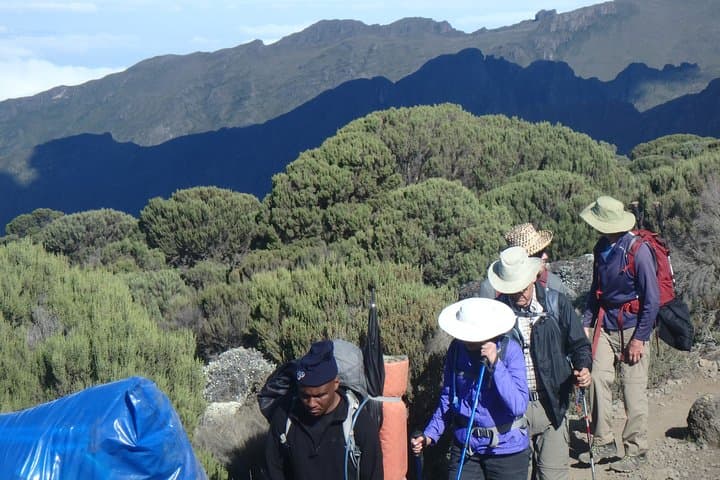
The two-day Marangu short trek carries you from lush montane forest up into open moorland, sleeping one night in the timber-framed Mandara Hut and pushing toward Horombo before returning. The route is the oldest officially maintained trail on Kilimanjaro and was formalized during the colonial era; it remains the only route where overnight hut accommodation is standard, not tents.
Geologically, Kilimanjaro is a three-peaked stratovolcano: the walk moves from nutrient-rich forest soils to heathland shaped by volcanic substrates and cold nights beneath Kibo’s moraine. Culturally the slopes belong to the Chagga people—look for terraced fields on the lower flanks and hear guides point out traditional uses of the giant lobelia and shrubs.
Practically: expect 7–11 km days, 1,700–3,700 m elevation range, rough forest tracks that become rocky and open on the second day. Guides and park permits are compulsory; huts provide basic bunks and meals. Acclimatize before the climb if you can, drink frequently, and watch for early altitude symptoms—turnaround decisions are common on short treks and sensible.
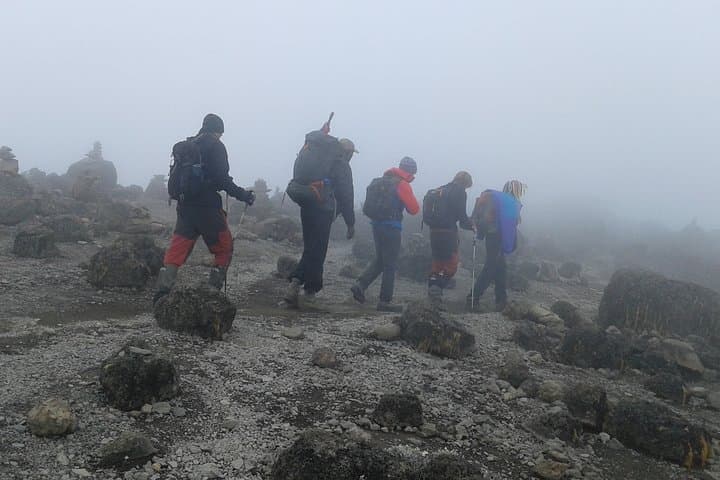
Timing matters: start early to avoid afternoon weather, pack layered insulation for cold nights, and bring sturdy boots for muddy forest roots and loose scree. The hike delivers close-up mountain drama without a summit push—an intense, achievable taste of Africa’s highest peak.
challenging.
2 days (approx. 8–10 hours hiking total).
Requires high aerobic fitness and ability to hike uphill for several hours at altitude; prior day hikes and stair training help.
No. This two-day itinerary reaches Mandara and approaches Horombo Hut but does not include a summit attempt.
All trekking inside Kilimanjaro National Park requires a certified guide and park fees; confirm inclusion when booking.
Nighttime temperatures can drop below freezing at higher elevations; bring insulated layers and a warm sleeping liner.
The drier months (June–October) offer more stable weather and clearer views; avoid the long rains (March–May) if possible.
The Marangu Route is the oldest formal climbing path on Kilimanjaro and historically linked to early 20th-century mountaineering and local Chagga portering systems.
Kilimanjaro National Park is a UNESCO World Heritage site; staying on trail, using huts, and following guide instructions help limit erosion and litter.
Bujo Tours operates guided outdoor trips and adventures with an emphasis on safety, stewardship, and memorable experiences.
You step out of the van at the Kilimanjaro Park gate and the mountain fills the sky—clouds dragging across Kibo’s icecap while eucalyptus trunks loom like sentinels at the rainforest edge.
You step out of the van at the Kilimanjaro Park gate and the mountain fills the sky—clouds dragging across Kibo’s icecap while eucalyptus trunks loom like sentinels at the rainforest edge.
The two-day Marangu short trek carries you from lush montane forest up into open moorland, sleeping one night in the timber-framed Mandara Hut and pushing toward Horombo before returning. The route is the oldest officially maintained trail on Kilimanjaro and was formalized during the colonial era; it remains the only route where overnight hut accommodation is standard, not tents.
Geologically, Kilimanjaro is a three-peaked stratovolcano: the walk moves from nutrient-rich forest soils to heathland shaped by volcanic substrates and cold nights beneath Kibo’s moraine. Culturally the slopes belong to the Chagga people—look for terraced fields on the lower flanks and hear guides point out traditional uses of the giant lobelia and shrubs.
Practically: expect 7–11 km days, 1,700–3,700 m elevation range, rough forest tracks that become rocky and open on the second day. Guides and park permits are compulsory; huts provide basic bunks and meals. Acclimatize before the climb if you can, drink frequently, and watch for early altitude symptoms—turnaround decisions are common on short treks and sensible.
Timing matters: start early to avoid afternoon weather, pack layered insulation for cold nights, and bring sturdy boots for muddy forest roots and loose scree. The hike delivers close-up mountain drama without a summit push—an intense, achievable taste of Africa’s highest peak.