THE ADVENTURE COLLECTIVE® · Independent discovery and booking for outdoor travel

Swim in clear, warm waters rising from Kilimanjaro’s volcanic layers on a half-day trip from Arusha. This practical guide describes the pond’s depth, travel time, cultural add-ons and what to pack for a comfortable visit.
Swim in clear, warm waters rising from Kilimanjaro’s volcanic layers on a half-day trip from Arusha. This practical guide describes the pond’s depth, travel time, cultural add-ons and what to pack for a comfortable visit.
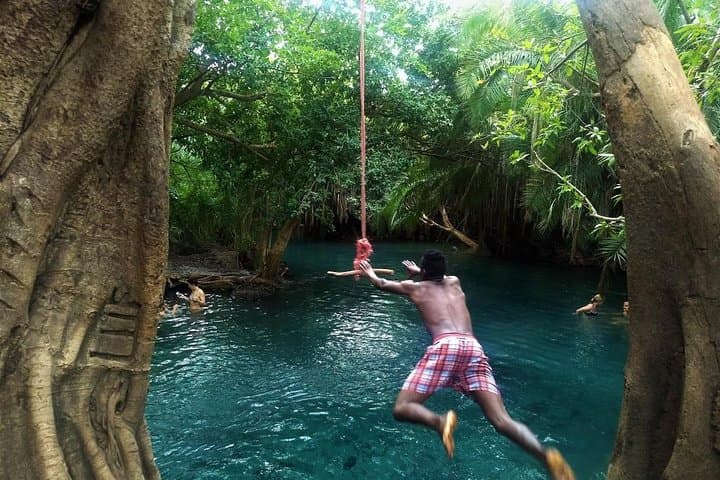
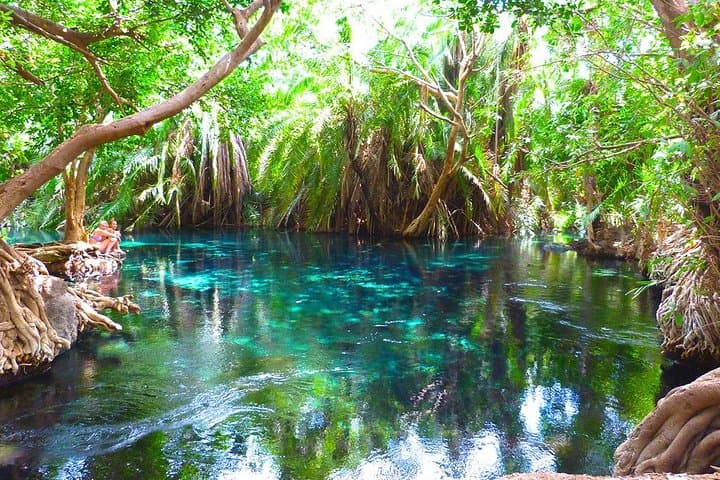
The water is impossibly clear—an emerald well cut into a ring of fig and acacia trees—steam rising in thin ribbons on a cool morning as the minivan pulls into the sandy parking area.
Verified experiences and guided adventures in the surrounding area.
Operated by Oltumure Tours & Safaris · Moshi, Kilimanjaro Region
The water is impossibly clear—an emerald well cut into a ring of fig and acacia trees—steam rising in thin ribbons on a cool morning as the minivan pulls into the sandy parking area.
Kikuletwa, known locally as Chemka, sits on the lower slopes of Kilimanjaro where groundwater meets heated rock and surfaces as a warm, spring-fed pond. The geology is straightforward: rainwater filters through volcanic layers and reemerges here, producing spots of surprisingly warm, blue-green water against an otherwise dry landscape.
Historically the spring has been a meeting place for local Maasai and Chagga communities and today it’s a popular day escape for residents of Arusha and Moshi. The surrounding farmland and small villages offer a quick cultural contrast—coffee farms, banana groves and a chance to see daily life along the route.
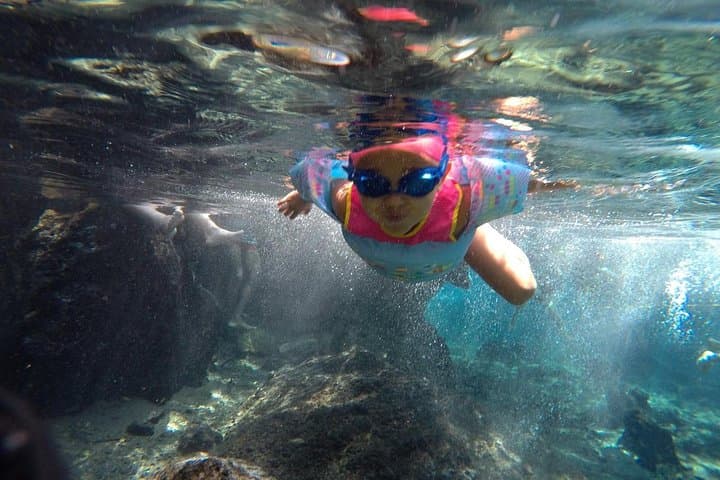
On the tour expect an hour’s drive from Arusha (longer from Moshi depending on pickup), a shaded picnic area, and a pond that reaches several meters deep in places; life jackets are often available. Wildlife is low-key but lively: kingfishers dart, vervet monkeys patrol the trees and freshwater fish cruise the shallows. There’s an optional short cultural visit nearby for those who want to expand the afternoon beyond swimming.
Practical tips: arrive early to avoid crowds, wear water shoes for the rocky entry, and pack reef-safe sunscreen and a dry change of clothes. Bring cash for small purchases and respect local rules—no soaps in the spring. With a light hike to shaded lunch spots and plenty of swim time, the tour is an easy, restorative day that pairs nature and culture on Kilimanjaro’s lower flank.
easy.
5–6 hours.
Suitable for most fitness levels; basic mobility required to get in and out of the water
Expect about 1–1.5 hours each way from Arusha depending on traffic and road conditions.
The spring is warm and refreshing rather than scalding; temperatures vary by season and depth, but it’s comfortable for swimming.
Some operators provide life jackets; lifeguards are not guaranteed—non-swimmers should use flotation and stay near the shore.
Yes, many tours offer an optional cultural stop at Rundugai or nearby villages to learn about local life and agriculture.
Chemka has long served local Maasai and Chagga communities as a freshwater site and social gathering place, later becoming a regional day-visit destination.
Avoid soaps and shampoos in the pond, carry out all trash, and follow guides’ instructions to minimize damage to the spring’s fragile edge and aquatic life.
Oltumure Tours & Safaris operates guided outdoor trips and adventures with an emphasis on safety, stewardship, and memorable experiences.
The water is impossibly clear—an emerald well cut into a ring of fig and acacia trees—steam rising in thin ribbons on a cool morning as the minivan pulls into the sandy parking area.
The water is impossibly clear—an emerald well cut into a ring of fig and acacia trees—steam rising in thin ribbons on a cool morning as the minivan pulls into the sandy parking area.
Kikuletwa, known locally as Chemka, sits on the lower slopes of Kilimanjaro where groundwater meets heated rock and surfaces as a warm, spring-fed pond. The geology is straightforward: rainwater filters through volcanic layers and reemerges here, producing spots of surprisingly warm, blue-green water against an otherwise dry landscape.
Historically the spring has been a meeting place for local Maasai and Chagga communities and today it’s a popular day escape for residents of Arusha and Moshi. The surrounding farmland and small villages offer a quick cultural contrast—coffee farms, banana groves and a chance to see daily life along the route.
On the tour expect an hour’s drive from Arusha (longer from Moshi depending on pickup), a shaded picnic area, and a pond that reaches several meters deep in places; life jackets are often available. Wildlife is low-key but lively: kingfishers dart, vervet monkeys patrol the trees and freshwater fish cruise the shallows. There’s an optional short cultural visit nearby for those who want to expand the afternoon beyond swimming.
Practical tips: arrive early to avoid crowds, wear water shoes for the rocky entry, and pack reef-safe sunscreen and a dry change of clothes. Bring cash for small purchases and respect local rules—no soaps in the spring. With a light hike to shaded lunch spots and plenty of swim time, the tour is an easy, restorative day that pairs nature and culture on Kilimanjaro’s lower flank.