THE ADVENTURE COLLECTIVE® · Independent discovery and booking for outdoor travel

Float through Kikacéki Reach and watch a river reclaim its channel—whitewater, exposed canyon walls, and returning salmon make this a rare, instructive day on the Klamath. Read on for what to expect and how to prepare.
Float through Kikacéki Reach and watch a river reclaim its channel—whitewater, exposed canyon walls, and returning salmon make this a rare, instructive day on the Klamath. Read on for what to expect and how to prepare.
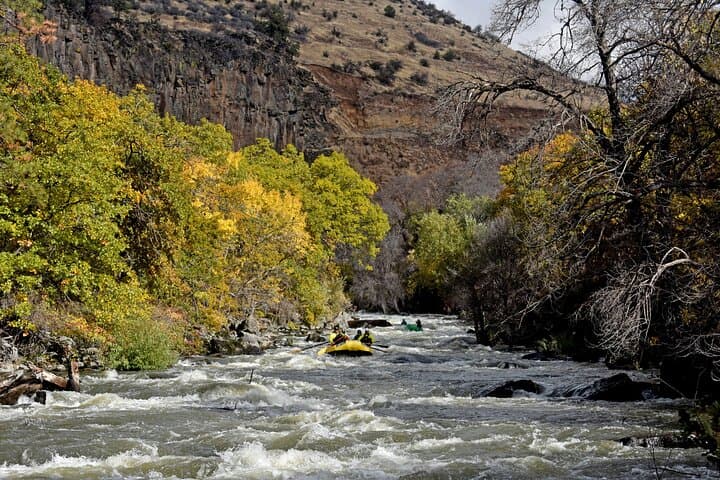
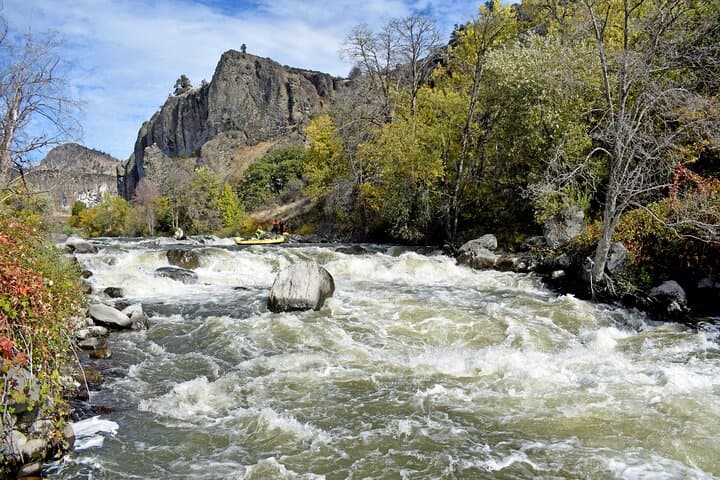
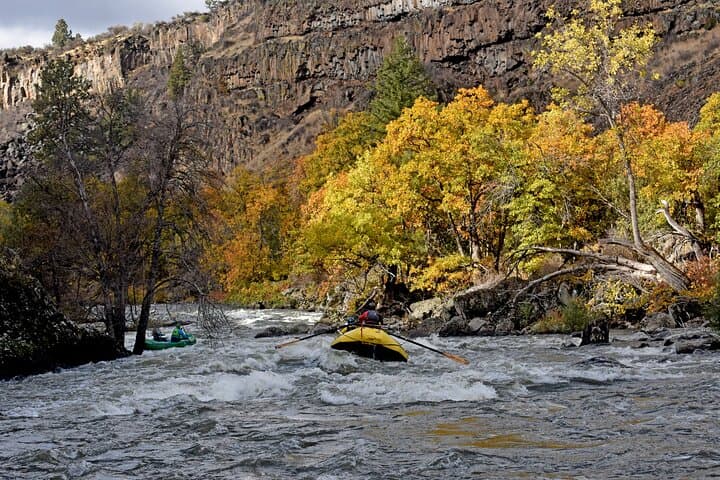
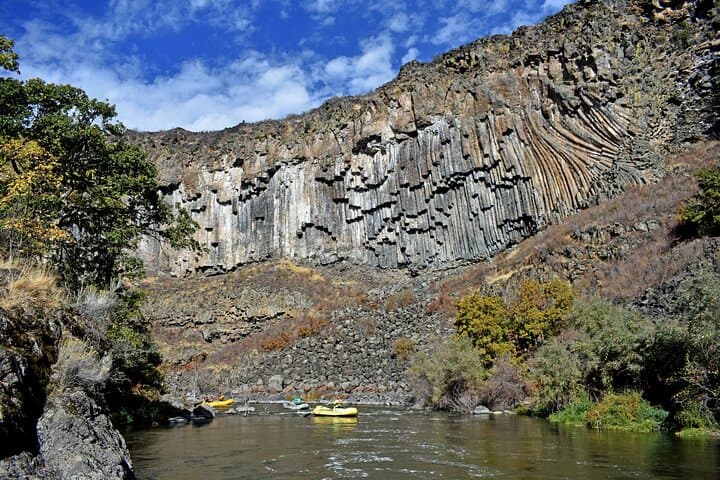
The river feels newly mobile here—water that had been muted behind concrete now moves with a quick, inspecting energy as you push off at the former Copco shoreline. Early light cuts across red-brown canyon walls; the current tugs at your raft and dares you into the next rapid. Along the banks, exposed terraces and reborn gravel bars read like a river’s diary.
Verified experiences and guided adventures in the surrounding area.
Operated by Indigo Creek Outfitters · Hornbrook, California
The river feels newly mobile here—water that had been muted behind concrete now moves with a quick, inspecting energy as you push off at the former Copco shoreline. Early light cuts across red-brown canyon walls; the current tugs at your raft and dares you into the next rapid. Along the banks, exposed terraces and reborn gravel bars read like a river’s diary.
Kikacéki Reach has a short human history that looms large: century-old dams altered flows, fisheries, and tribal life; their removal in recent years revealed channel beds and returning runs of salmon. Geologically the canyon is a mix of volcanic basalt and older sedimentary fans, scoured into steep walls where the river still chisels new lines. Expect tight, technical whitewater sections interspersed with long scenic floats where birds and oaks patrol the banks.
Local guides combine river skills with the area's cultural topography—stories from Karuk, Yurok, and Klamath communities about fishing places and the impacts of dams are part of the narrative. You’ll see how a living river reasserts itself: gravel bars rebuild, eddies collect seeds, and salmon scent the water like a remote alarm.
Practical guidance: this is a full-day river trip (around 9 hours on most itineraries) with a mix of paddling and guided float; wear quick-dry layers, closed river shoes, and bring sunscreen, waterproof camera, and extra dry clothes. Hydrate before launch and leave valuables in waterproof dry bags. Guides provide wetsuits and jackets when water is cold; assess your comfort with long days and intermittent whitewater. The best light and wildlife activity come in morning and late afternoon—plan accordingly.
moderate.
9 hours.
Moderate fitness—comfortable with several hours of paddling, occasional swim, and long days on your feet
Typical itineraries are full-day (about 9 hours door-to-door) with several hours actually on the river including shuttles.
No formal experience is required—guides handle technical sections—but participants should be comfortable paddling and able to move in and out of the raft.
Minimum age is 12; not recommended for pregnant travelers or those with serious heart or spinal conditions—check with the operator for specifics.
Yes—especially in spring and fall you may spot salmon runs, plus eagles, ospreys, river otters, and deer along the banks.
The Copco and Iron Gate dams dominated this stretch for decades; their removal in recent years reopened historic spawning habitat and reshaped local flows.
Rafting here supports public awareness of dam-removal outcomes—follow Leave No Trace, avoid disturbing spawning areas, and heed guide instructions to minimize impact.
Indigo Creek Outfitters operates guided outdoor trips and adventures with an emphasis on safety, stewardship, and memorable experiences.
The river feels newly mobile here—water that had been muted behind concrete now moves with a quick, inspecting energy as you push off at the former Copco shoreline. Early light cuts across red-brown canyon walls; the current tugs at your raft and dares you into the next rapid. Along the banks, exposed terraces and reborn gravel bars read like a river’s diary.
The river feels newly mobile here—water that had been muted behind concrete now moves with a quick, inspecting energy as you push off at the former Copco shoreline. Early light cuts across red-brown canyon walls; the current tugs at your raft and dares you into the next rapid. Along the banks, exposed terraces and reborn gravel bars read like a river’s diary.
Kikacéki Reach has a short human history that looms large: century-old dams altered flows, fisheries, and tribal life; their removal in recent years revealed channel beds and returning runs of salmon. Geologically the canyon is a mix of volcanic basalt and older sedimentary fans, scoured into steep walls where the river still chisels new lines. Expect tight, technical whitewater sections interspersed with long scenic floats where birds and oaks patrol the banks.
Local guides combine river skills with the area's cultural topography—stories from Karuk, Yurok, and Klamath communities about fishing places and the impacts of dams are part of the narrative. You’ll see how a living river reasserts itself: gravel bars rebuild, eddies collect seeds, and salmon scent the water like a remote alarm.
Practical guidance: this is a full-day river trip (around 9 hours on most itineraries) with a mix of paddling and guided float; wear quick-dry layers, closed river shoes, and bring sunscreen, waterproof camera, and extra dry clothes. Hydrate before launch and leave valuables in waterproof dry bags. Guides provide wetsuits and jackets when water is cold; assess your comfort with long days and intermittent whitewater. The best light and wildlife activity come in morning and late afternoon—plan accordingly.