THE ADVENTURE COLLECTIVE® · Independent discovery and booking for outdoor travel

Board from Kihei Boat Ramp for a 90-minute whale-watch that pairs close sighting etiquette with a hydrophone so you can hear humpback songs. Ideal winter months and educational narration make this a compact, accessible ocean experience.
Board from Kihei Boat Ramp for a 90-minute whale-watch that pairs close sighting etiquette with a hydrophone so you can hear humpback songs. Ideal winter months and educational narration make this a compact, accessible ocean experience.
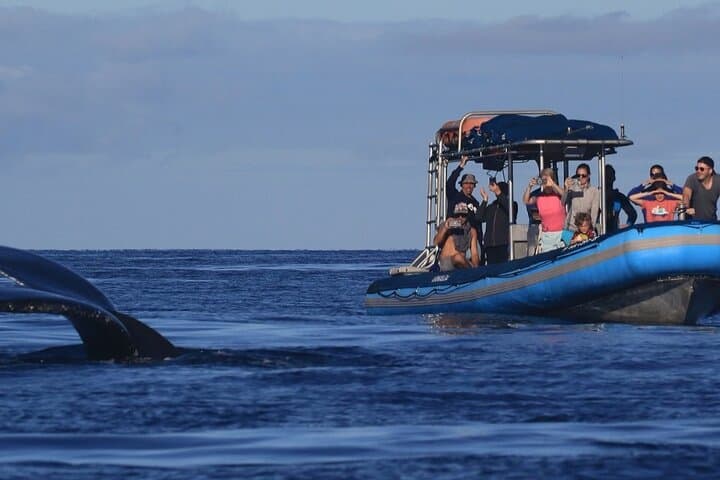
You step off the heated pavement onto the lower dock at Kihei Boat Ramp and the Pacific answers — a low, wide hush broken by a blow, a shudder of spray, the distant thump of a tail. The boat slips past seaweed-slick pilings and into the blue where humpback whales come to breed and nurse in Maui’s sheltered southern waters.
Verified experiences and guided adventures in the surrounding area.
Operated by Blue Water Rafting · Kihei, Hawaii
You step off the heated pavement onto the lower dock at Kihei Boat Ramp and the Pacific answers — a low, wide hush broken by a blow, a shudder of spray, the distant thump of a tail. The boat slips past seaweed-slick pilings and into the blue where humpback whales come to breed and nurse in Maui’s sheltered southern waters.
Humpbacks migrate from Alaskan feeding grounds to Hawaiian wintering areas from roughly December through April, a yearly pulse documented by biologists and local observers. Maui’s leeward shelf, shaped by Haleakalā’s volcanic shoulders and protected currents, creates shallow bays where mothers and calves find calmer seas. Onboard, guides mix natural history with vessel etiquette; a hydrophone translates the whales’ low songs into something you can actually hear — strange, rolling notes that make the ocean feel like it’s speaking back.
Practicalities matter: this is a 90-minute, accessible cruise leaving from Kihei. Expect short walks on uneven ramps, binocular-worthy distances, and strict federal approach limits (crews may hold position or extend time to comply). The operator provides bottled water and on-deck narration, and staff will answer questions throughout.
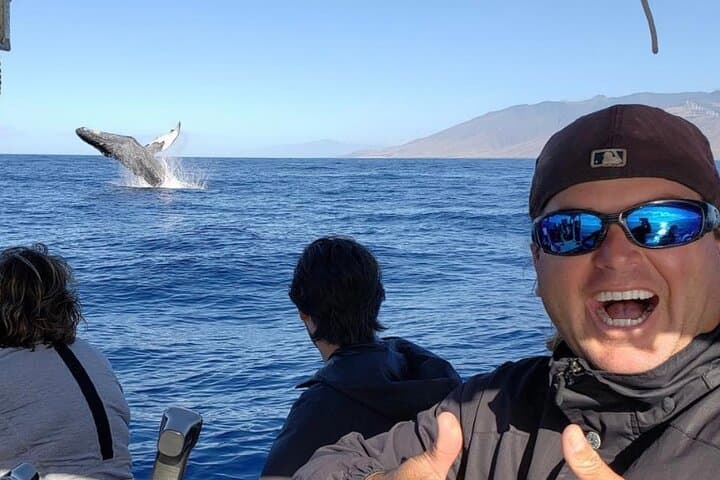
Bring sun protection, staggered arrival (check in 15–30 minutes early), and motion-sickness prevention if you’re sensitive. Keep cameras ready but obey crew instructions during close approaches; quiet observation is part of the encounter. Whether you hear a humpback’s song through the hydrophone or spot a breach against an ocean that seems to heave with presence, this short cruise delivers an intense, teachable slice of marine life off Maui’s south shore.
easy.
1.5 hours.
Suitable for most fitness levels; requires short walks on ramps and standing on deck for parts of the trip
Humpbacks are most reliably present from December through April, with peak activity usually January to March when mating and nursing behaviors are common.
This operator lists wheelchair accessibility for transportation and surfaces, but some dock ramps and boarding may still require assistance — call ahead to confirm needs.
Sightings are common in whale season but not guaranteed; crews follow federal approach rules and may extend time when safe to increase viewing opportunities.
Take preventive medication before boarding, sit mid-boat where motion is minimized, focus on the horizon, and notify crew who can suggest a calmer spot on deck.
Humpback whales have been migrating to Hawaiian waters for millennia; commercial whaling in the 19th century largely ceased after protections were implemented, allowing populations to recover.
Operators follow federal approach regulations and local guidelines to minimize disturbance; choose tours that emphasize education and adhere to safe-distance rules.
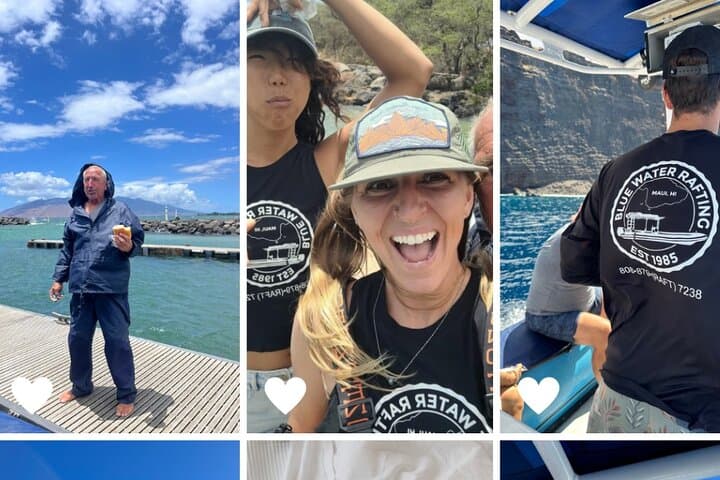
Blue Water Rafting operates guided outdoor trips and adventures with an emphasis on safety, stewardship, and memorable experiences.
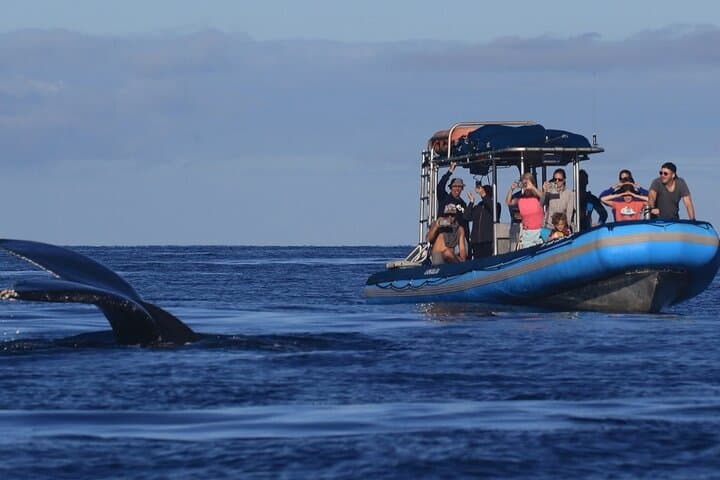
You step off the heated pavement onto the lower dock at Kihei Boat Ramp and the Pacific answers — a low, wide hush broken by a blow, a shudder of spray, the distant thump of a tail. The boat slips past seaweed-slick pilings and into the blue where humpback whales come to breed and nurse in Maui’s sheltered southern waters.
You step off the heated pavement onto the lower dock at Kihei Boat Ramp and the Pacific answers — a low, wide hush broken by a blow, a shudder of spray, the distant thump of a tail. The boat slips past seaweed-slick pilings and into the blue where humpback whales come to breed and nurse in Maui’s sheltered southern waters.
Humpbacks migrate from Alaskan feeding grounds to Hawaiian wintering areas from roughly December through April, a yearly pulse documented by biologists and local observers. Maui’s leeward shelf, shaped by Haleakalā’s volcanic shoulders and protected currents, creates shallow bays where mothers and calves find calmer seas. Onboard, guides mix natural history with vessel etiquette; a hydrophone translates the whales’ low songs into something you can actually hear — strange, rolling notes that make the ocean feel like it’s speaking back.
Practicalities matter: this is a 90-minute, accessible cruise leaving from Kihei. Expect short walks on uneven ramps, binocular-worthy distances, and strict federal approach limits (crews may hold position or extend time to comply). The operator provides bottled water and on-deck narration, and staff will answer questions throughout.
Bring sun protection, staggered arrival (check in 15–30 minutes early), and motion-sickness prevention if you’re sensitive. Keep cameras ready but obey crew instructions during close approaches; quiet observation is part of the encounter. Whether you hear a humpback’s song through the hydrophone or spot a breach against an ocean that seems to heave with presence, this short cruise delivers an intense, teachable slice of marine life off Maui’s south shore.