THE ADVENTURE COLLECTIVE® · Independent discovery and booking for outdoor travel

Learn to ride south-shore waves with Waves Hawaii at Kalama Park. Two-hour Billabong-affiliated lessons with a 6:1 ratio, reef-safe gear, and local instructors who teach technique, safety and surf etiquette.
Learn to ride south-shore waves with Waves Hawaii at Kalama Park. Two-hour Billabong-affiliated lessons with a 6:1 ratio, reef-safe gear, and local instructors who teach technique, safety and surf etiquette.
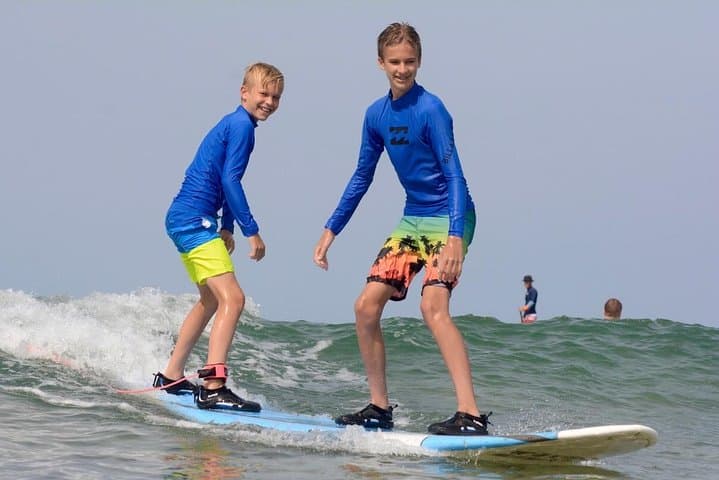
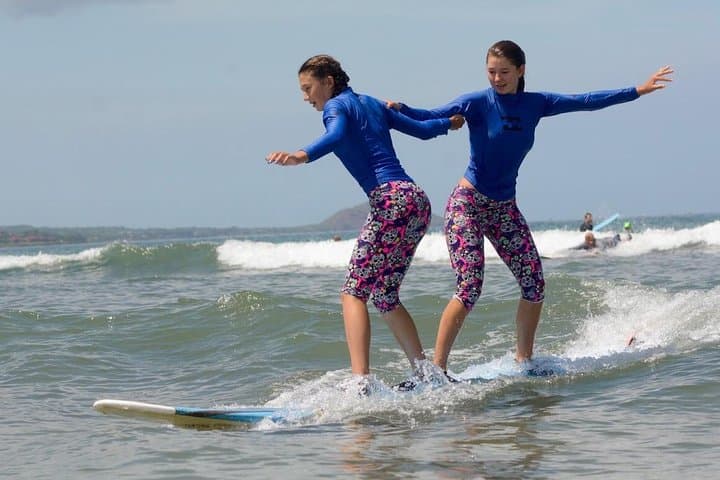
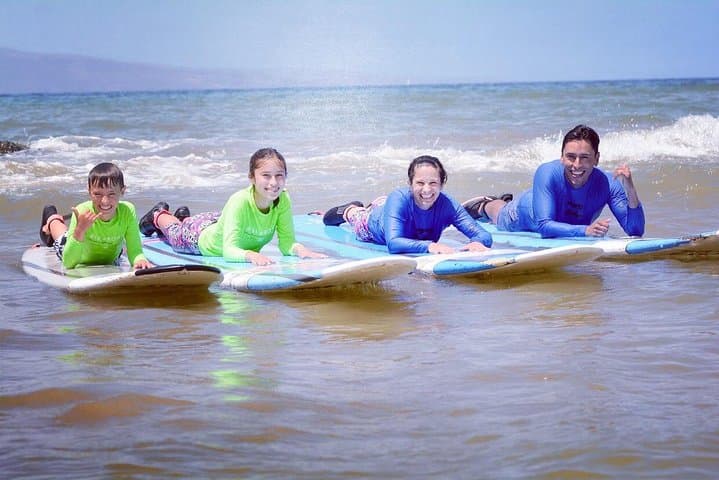
The first light on South Kihei hits the sand like a warning: the ocean is awake and ready. At Kalama Park, a low-slung Waves Hawaii van becomes a ritual starting point — instructors folding rash guards, boards leaning like quiet athletes against the picnic tables. Within fifteen minutes the beach has its own cadence: foam washing forward, retreating, and the steady chatter of practice pop-ups as beginners test balance against a living surface that refuses to be tamed.
Verified experiences and guided adventures in the surrounding area.
Operated by Waves Hawaii Surf School · Kihei, Hawaii
The first light on South Kihei hits the sand like a warning: the ocean is awake and ready. At Kalama Park, a low-slung Waves Hawaii van becomes a ritual starting point — instructors folding rash guards, boards leaning like quiet athletes against the picnic tables. Within fifteen minutes the beach has its own cadence: foam washing forward, retreating, and the steady chatter of practice pop-ups as beginners test balance against a living surface that refuses to be tamed.
Surfing in Kihei traces back to the voyaging Hawaiians who read current and swell long before tide charts existed. The coast here is young basalt cut by reef shelves; waves peel predictably over coral gardens that have shaped local technique and etiquette. Modern Kihei keeps that lineage: the town’s surf culture is less show and more stewardship. Local instructors at Waves Hawaii, the island’s only Billabong-affiliated school, teach that respect for reef, wind and fellow surfers is part of learning to stand.
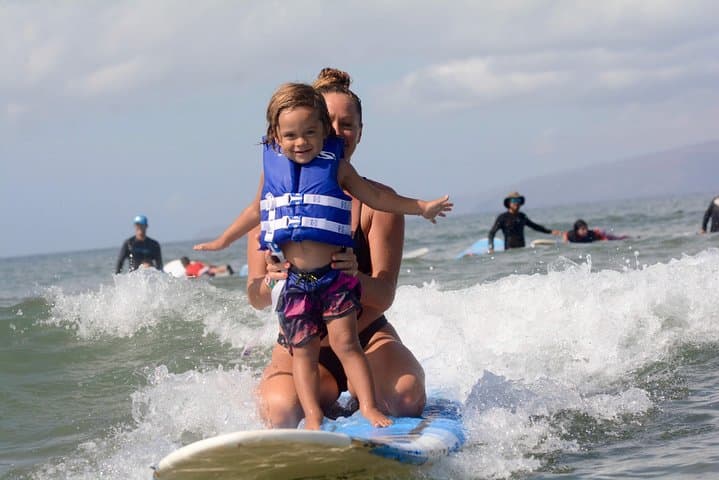
The experience is straightforward and efficient. Two-hour lessons run from Kalama Park, with a maximum 6:1 student-to-instructor ratio — often smaller — and all gear provided: soft-top boards, rash guards and reef shoes. The instruction moves from dry-land safety to paddle technique, to green-wave positioning, and finally guided rides with hands on the board until you feel the wave push you forward. Instructors adjust for swell and student confidence; for nervous kids under eight a private one-on-one lesson is recommended.
Practical edge: water here is warm year-round so heavy wetsuits aren’t necessary, but reef shoes and reef-safe sunscreen are. Expect pockets of coral underfoot and currents that reward technique; a strong pop-up and basic paddling fitness accelerate progress. Note medical advisories: these lessons aren’t recommended for pregnant travelers or those with serious spinal or cardiac conditions.
Timing matters. Summer months bring smaller, more predictable south swells ideal for beginners; winter shifts energy to the north shore and can change conditions quickly. Plan to arrive 15–20 minutes early to check in, suit up and take a focused warm-up. Respect local lineups and instructors’ directions — the ocean is a teacher that can be generous, but only to those who listen.
By the end of two hours you’ll know how to read a green wave, push through a shoulder, and stand with the board at eye level. The memory that stays isn’t just the ride itself but the surf’s directness: salt on skin, the board humming beneath your feet, and that immediate, clear feedback from an ocean that always, in one way or another, answers back.
moderate.
2 hours.
Moderate fitness required—comfortable paddling, basic swimming ability and ability to pop up on a board quickly.
Two-hour instruction, soft-top surfboard, rash guard and reef shoes are included; professional instructor and on-beach safety briefing are provided.
Children of most ages can participate, but Waves Hawaii recommends private 1:1 lessons for kids under 8 for safety and better progression.
Yes—participants should be comfortable in the water and able to swim; instructors coach technique but not basic swim training.
Lessons may be canceled for safety if conditions are poor; full refunds are available if canceled at least 24 hours before the lesson.
No—meet at the Waves Hawaii van in Kalama Park at 1900 S Kihei Rd; there is no traveler pickup service.
Not recommended for pregnant travelers or those with serious spinal or cardiovascular conditions; disclose medical issues when booking.
Surfing on Maui is an ancestral practice; Kihei’s beaches were historically used for training aliʻi (chiefs) and local fishermen who read reef breaks and swells.
Stay on sand entries, avoid stepping on coral, and use reef-safe sunscreen—local groups monitor reef health and rely on visitor cooperation.
Waves Hawaii Surf School operates guided outdoor trips and adventures with an emphasis on safety, stewardship, and memorable experiences.
The first light on South Kihei hits the sand like a warning: the ocean is awake and ready. At Kalama Park, a low-slung Waves Hawaii van becomes a ritual starting point — instructors folding rash guards, boards leaning like quiet athletes against the picnic tables. Within fifteen minutes the beach has its own cadence: foam washing forward, retreating, and the steady chatter of practice pop-ups as beginners test balance against a living surface that refuses to be tamed.
The first light on South Kihei hits the sand like a warning: the ocean is awake and ready. At Kalama Park, a low-slung Waves Hawaii van becomes a ritual starting point — instructors folding rash guards, boards leaning like quiet athletes against the picnic tables. Within fifteen minutes the beach has its own cadence: foam washing forward, retreating, and the steady chatter of practice pop-ups as beginners test balance against a living surface that refuses to be tamed.
Surfing in Kihei traces back to the voyaging Hawaiians who read current and swell long before tide charts existed. The coast here is young basalt cut by reef shelves; waves peel predictably over coral gardens that have shaped local technique and etiquette. Modern Kihei keeps that lineage: the town’s surf culture is less show and more stewardship. Local instructors at Waves Hawaii, the island’s only Billabong-affiliated school, teach that respect for reef, wind and fellow surfers is part of learning to stand.
The experience is straightforward and efficient. Two-hour lessons run from Kalama Park, with a maximum 6:1 student-to-instructor ratio — often smaller — and all gear provided: soft-top boards, rash guards and reef shoes. The instruction moves from dry-land safety to paddle technique, to green-wave positioning, and finally guided rides with hands on the board until you feel the wave push you forward. Instructors adjust for swell and student confidence; for nervous kids under eight a private one-on-one lesson is recommended.
Practical edge: water here is warm year-round so heavy wetsuits aren’t necessary, but reef shoes and reef-safe sunscreen are. Expect pockets of coral underfoot and currents that reward technique; a strong pop-up and basic paddling fitness accelerate progress. Note medical advisories: these lessons aren’t recommended for pregnant travelers or those with serious spinal or cardiac conditions.
Timing matters. Summer months bring smaller, more predictable south swells ideal for beginners; winter shifts energy to the north shore and can change conditions quickly. Plan to arrive 15–20 minutes early to check in, suit up and take a focused warm-up. Respect local lineups and instructors’ directions — the ocean is a teacher that can be generous, but only to those who listen.
By the end of two hours you’ll know how to read a green wave, push through a shoulder, and stand with the board at eye level. The memory that stays isn’t just the ride itself but the surf’s directness: salt on skin, the board humming beneath your feet, and that immediate, clear feedback from an ocean that always, in one way or another, answers back.