THE ADVENTURE COLLECTIVE® · Independent discovery and booking for outdoor travel

Walk Kigali’s hills in a single day: honor history at the Genocide Memorial, haggle through Kimironko Market and feel Nyamirambo’s creative pulse. This five-hour private tour balances reflection, culture and practical city exploration.
Walk Kigali’s hills in a single day: honor history at the Genocide Memorial, haggle through Kimironko Market and feel Nyamirambo’s creative pulse. This five-hour private tour balances reflection, culture and practical city exploration.
You step out into a city that keeps its hills in motion: Kigali’s streets climb and fall beneath a sky that clears quickly, as if the air itself is part of the city’s civic order. The tour begins with a short drive to the Kigali Genocide Memorial in Gisozi, where quiet gardens and concrete galleries ask you to slow down and listen.
Verified experiences and guided adventures in the surrounding area.
Operated by Vazquez Tours & Travel Ltd · Kigali, Kigali
You step out into a city that keeps its hills in motion: Kigali’s streets climb and fall beneath a sky that clears quickly, as if the air itself is part of the city’s civic order. The tour begins with a short drive to the Kigali Genocide Memorial in Gisozi, where quiet gardens and concrete galleries ask you to slow down and listen.
Kigali’s story is recent and layered. Founded as an administrative post in 1907 and designated capital at independence in 1962, the city is built on volcanic hills and red laterite soils that shape its drainage and views. The Genocide Memorial anchors the narrative—an educational, civic space that holds archives and the remains of more than 250,000 victims and frames Rwanda’s path to reconciliation.
From somber remembrance you move into market energy: Kimironko’s aisles of kitenges, fresh produce and seamstresses display everyday ingenuity; Nyamirambo offers street art, cafe culture and an infectious after-dark pulse. Along the route you’ll notice civic cleanliness—part cultural pride and part organized community effort—that makes walking the streets unexpectedly pleasant.
Practical guidance: this is a five-hour, mostly seated-and-walking private tour starting around 09:00. Expect uneven market pavement and short urban climbs between viewpoints—comfortable walking shoes and a light rain jacket are useful. Bring modest clothing for memorial visits, a small amount of Rwandan francs for market purchases, and water to stay hydrated in the sun. Photography is allowed in most places but follow signage at memorial sites and ask permission before photographing people. Timing your visit in the morning avoids the hottest part of the day and gives you a calm hour at the memorial before markets get busiest.
easy.
5 hours.
Suitable for most fitness levels; requires walking for short stretches and navigating market steps and city sidewalks.
Admission is typically separate; check with your operator—many tours include entry but it’s best to confirm before booking.
Yes; the operator usually provides lunch and can accommodate common dietary needs if you note them during booking.
The tour is rated easy and family-friendly, but the memorial contains graphic exhibits that may be upsetting for young children or sensitive visitors.
Yes—small vendors in Kimironko prefer Rwandan francs; credit cards are not widely accepted in market stalls.
Kigali grew from a 1907 administrative post to Rwanda’s capital in 1962; the 1994 genocide and subsequent memorialization are central to the city’s modern identity.
Kigali enforces strong public-cleanliness practices and community clean-ups (Umuganda); visitors are encouraged to support local businesses and minimize single-use plastics.
Vazquez Tours & Travel Ltd operates guided outdoor trips and adventures with an emphasis on safety, stewardship, and memorable experiences.
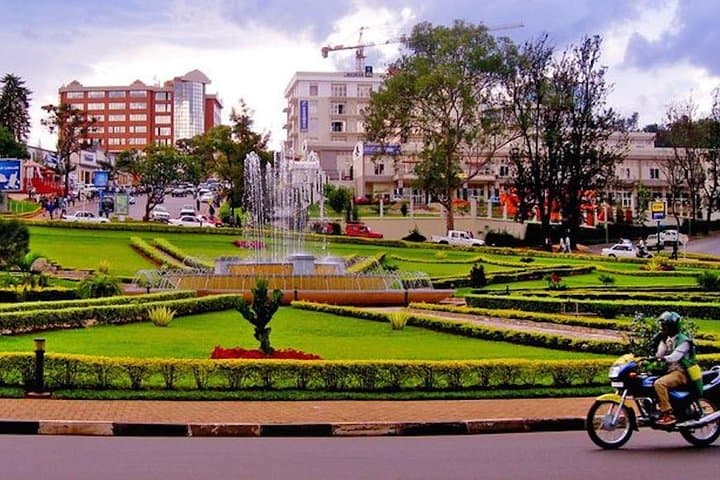
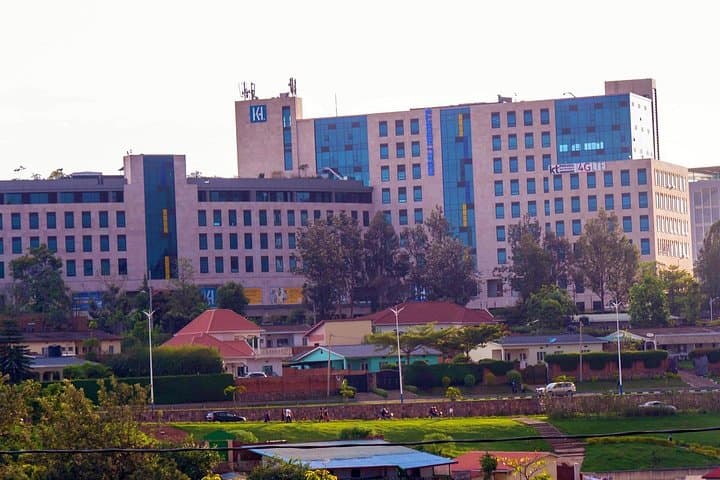
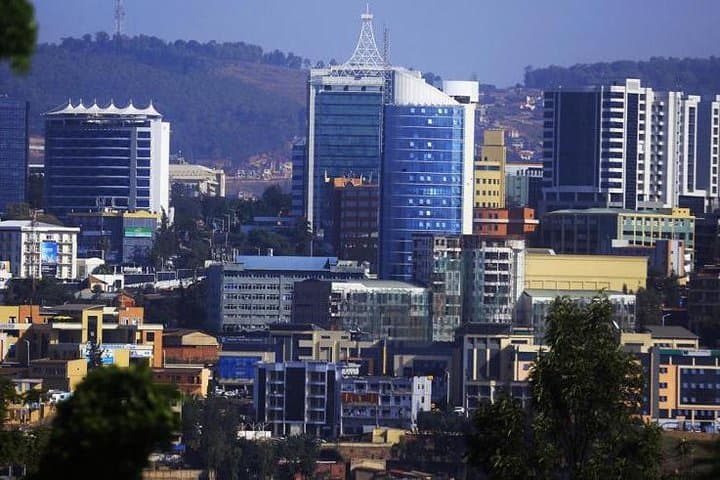
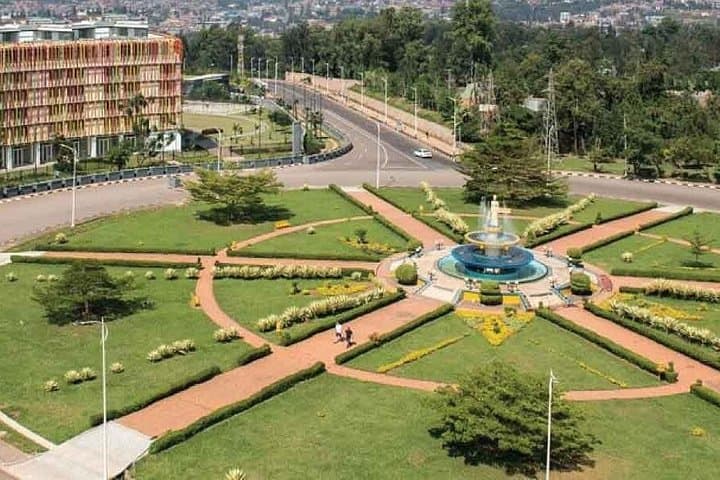
You step out into a city that keeps its hills in motion: Kigali’s streets climb and fall beneath a sky that clears quickly, as if the air itself is part of the city’s civic order. The tour begins with a short drive to the Kigali Genocide Memorial in Gisozi, where quiet gardens and concrete galleries ask you to slow down and listen.
You step out into a city that keeps its hills in motion: Kigali’s streets climb and fall beneath a sky that clears quickly, as if the air itself is part of the city’s civic order. The tour begins with a short drive to the Kigali Genocide Memorial in Gisozi, where quiet gardens and concrete galleries ask you to slow down and listen.
Kigali’s story is recent and layered. Founded as an administrative post in 1907 and designated capital at independence in 1962, the city is built on volcanic hills and red laterite soils that shape its drainage and views. The Genocide Memorial anchors the narrative—an educational, civic space that holds archives and the remains of more than 250,000 victims and frames Rwanda’s path to reconciliation.
From somber remembrance you move into market energy: Kimironko’s aisles of kitenges, fresh produce and seamstresses display everyday ingenuity; Nyamirambo offers street art, cafe culture and an infectious after-dark pulse. Along the route you’ll notice civic cleanliness—part cultural pride and part organized community effort—that makes walking the streets unexpectedly pleasant.
Practical guidance: this is a five-hour, mostly seated-and-walking private tour starting around 09:00. Expect uneven market pavement and short urban climbs between viewpoints—comfortable walking shoes and a light rain jacket are useful. Bring modest clothing for memorial visits, a small amount of Rwandan francs for market purchases, and water to stay hydrated in the sun. Photography is allowed in most places but follow signage at memorial sites and ask permission before photographing people. Timing your visit in the morning avoids the hottest part of the day and gives you a calm hour at the memorial before markets get busiest.