THE ADVENTURE COLLECTIVE® · Independent discovery and booking for outdoor travel

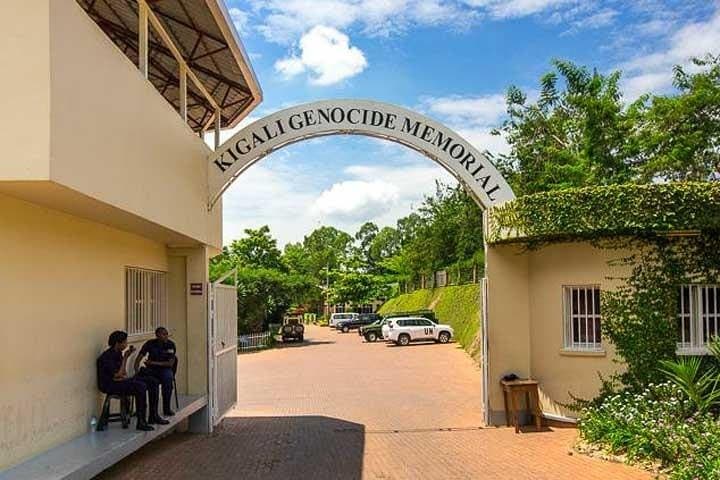
Spend a day moving from Mount Kigali’s city-view perch to bustling markets and the Kigali Genocide Memorial. This private, easy-paced tour blends panoramic views, street-level culture and important historical context.
Spend a day moving from Mount Kigali’s city-view perch to bustling markets and the Kigali Genocide Memorial. This private, easy-paced tour blends panoramic views, street-level culture and important historical context.
You arrive before the city fully stirs; early light slides over the rounded shoulders of Mount Kigali and the city exhales below.
Verified experiences and guided adventures in the surrounding area.
Operated by Simba African Expeditions · Kigali, Kigali Province
You arrive before the city fully stirs; early light slides over the rounded shoulders of Mount Kigali and the city exhales below.
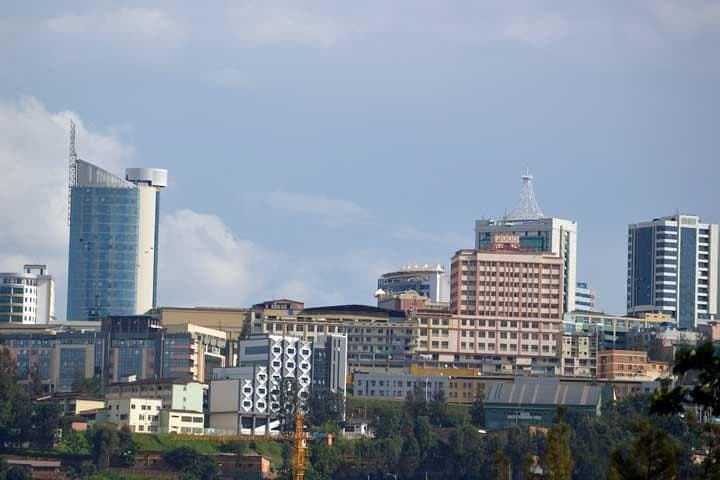
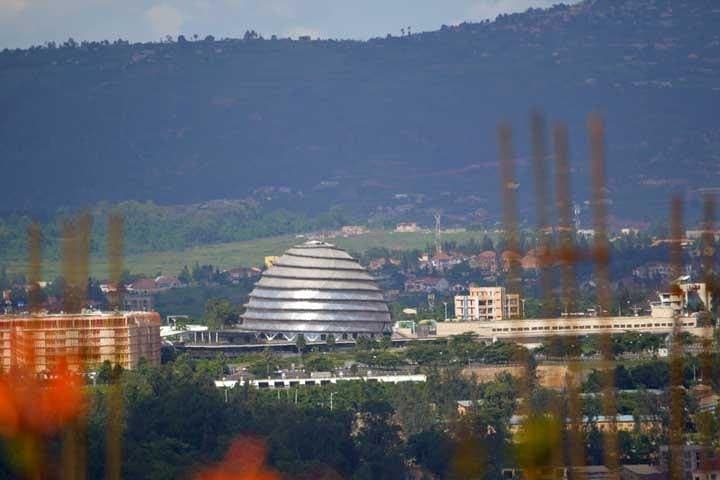
The first climb is short but revealing — a rooftop moment where Kigali’s patchwork of red roofs, banana plantations and distant hills come into focus. The city feels deliberate: streets that rebuilt themselves after 1994, muraled walls that speak in painted narratives, and markets that move with bright, practical energy.
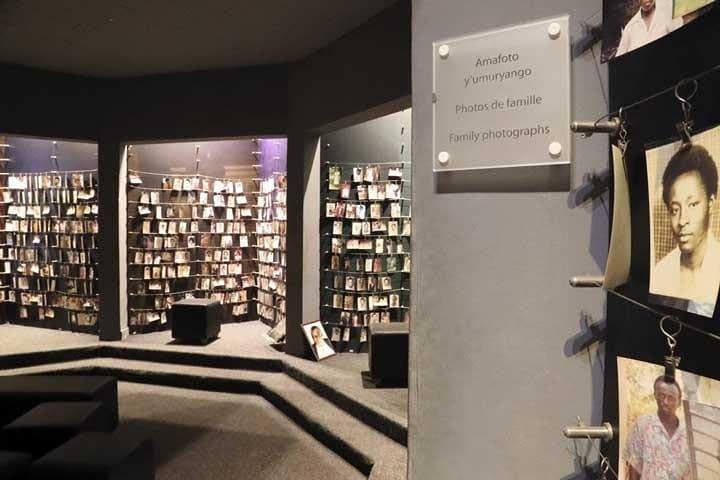
Kigali’s recent history is raw and central to the tour. The Genocide Memorial is a sober, well-curated space — a place for facts, names and reflection rather than spectacle. Geologically, the region sits on gentle hills cut from volcanic soils; the slopes are forgiving but provide steady views and pockets of urban forest.
Culture in Kigali balances modern entrepreneurship with local rhythms: milk bars offering fresh dairy, vendors selling seasonal fruits, and artists turning Kiyovu and Nyarugenge into compact galleries. Local guides often thread personal stories through visits; their context makes the city’s resilience legible.
Practical guidance: expect 3–6 hours of easy walking and short drives in a private car. Dress modestly and remove hats/sunglasses at the memorial, carry water, and bring cash for small market purchases. Start early to avoid midday heat and to catch market activity before stalls shrink.
Respectful behavior and quiet at memorial sites keeps the experience meaningful; elsewhere, allow time for unplanned stops — a mural that demands a close look, a lane that leads to a neighborhood café — and you’ll leave with a clear sense of Kigali’s present and past.
easy.
3–6 hours.
Suitable for most fitness levels; requires light walking, short stair climbs and standing during visits
The tour runs between 1–6 hours depending on chosen sights; pick-ups commonly start at 7:00 AM and schedules are confirmed at booking.
The site contains graphic historical material; consider children’s age and emotional readiness and follow staff guidance on which exhibition sections to view.
This private tour typically includes entrance fees and a lunch as listed in the inclusions, but confirm specifics at booking via the provided referral link.
Kigali is considered one of Africa’s safer capitals for tourists, but standard urban safety precautions apply — keep valuables secure and stay aware after dark.
Kigali grew rapidly after colonial and post-independence shifts and was central to the 1994 genocide; the Genocide Memorial documents events and memorializes victims.
Tourism supports memorial education and small-scale conservation of city green spaces; visitors should avoid single-use plastics and stick to marked paths in park areas.
Simba African Expeditions operates guided outdoor trips and adventures with an emphasis on safety, stewardship, and memorable experiences.
You arrive before the city fully stirs; early light slides over the rounded shoulders of Mount Kigali and the city exhales below.
You arrive before the city fully stirs; early light slides over the rounded shoulders of Mount Kigali and the city exhales below.
The first climb is short but revealing — a rooftop moment where Kigali’s patchwork of red roofs, banana plantations and distant hills come into focus. The city feels deliberate: streets that rebuilt themselves after 1994, muraled walls that speak in painted narratives, and markets that move with bright, practical energy.
Kigali’s recent history is raw and central to the tour. The Genocide Memorial is a sober, well-curated space — a place for facts, names and reflection rather than spectacle. Geologically, the region sits on gentle hills cut from volcanic soils; the slopes are forgiving but provide steady views and pockets of urban forest.
Culture in Kigali balances modern entrepreneurship with local rhythms: milk bars offering fresh dairy, vendors selling seasonal fruits, and artists turning Kiyovu and Nyarugenge into compact galleries. Local guides often thread personal stories through visits; their context makes the city’s resilience legible.
Practical guidance: expect 3–6 hours of easy walking and short drives in a private car. Dress modestly and remove hats/sunglasses at the memorial, carry water, and bring cash for small market purchases. Start early to avoid midday heat and to catch market activity before stalls shrink.
Respectful behavior and quiet at memorial sites keeps the experience meaningful; elsewhere, allow time for unplanned stops — a mural that demands a close look, a lane that leads to a neighborhood café — and you’ll leave with a clear sense of Kigali’s present and past.