THE ADVENTURE COLLECTIVE® · Independent discovery and booking for outdoor travel

Explore Kigali in one or two days: from the moving Kigali Genocide Memorial to vibrant markets, art centers, and a restored wetland. This compact city tour mixes history, culture, and practical sightseeing with local guides and comfortable transport.
Explore Kigali in one or two days: from the moving Kigali Genocide Memorial to vibrant markets, art centers, and a restored wetland. This compact city tour mixes history, culture, and practical sightseeing with local guides and comfortable transport.
You step from an air-conditioned vehicle into Kigali’s warm, hilly morning — streets climbing like the ribs of the city, market calls threading through eucalyptus-scented air. The tour moves between solemn quiet and bright life: a shaded lane at the Genocide Memorial; colorful stalls at Kimironko; a restored wetland where reed-lined channels dare you to slow down and listen.
Verified experiences and guided adventures in the surrounding area.
Operated by Kindness Tours · Kigali, Kigali Province
You step from an air-conditioned vehicle into Kigali’s warm, hilly morning — streets climbing like the ribs of the city, market calls threading through eucalyptus-scented air. The tour moves between solemn quiet and bright life: a shaded lane at the Genocide Memorial; colorful stalls at Kimironko; a restored wetland where reed-lined channels dare you to slow down and listen.
Kigali’s story is recent and layered. Kandt House traces colonial geology and early natural history, while the Genocide Memorial anchors the city’s work of remembrance and reconciliation. The urban landscape is volcanic in origin — rounded hills of laterite and uplifted lakebeds — which shapes the city’s viewpoints and walking gradients.
Culture surfaces in galleries and community centers: Niyo Art and Nyamirambo Women’s Center blend contemporary creativity with social enterprise. Evenings concentrate around Biryogo’s car-free food street, where brochettes and pilau meet mural-backed chatter.
Practical guidance: the route is low-impact walking between sites with vehicle transfers; expect periods of standing in museums and short uphill walks to viewpoints. Bring comfortable shoes, a light rain layer for afternoon showers (Rwanda’s rains can appear suddenly), a refillable water bottle, and modest clothing for memorial visits. Plan 1 full day to cover core memorials, markets, and a gallery; allow two days to add Nyandungu wetland birding and a community walk in Nyamirambo.
Local guides translate history into context, keeping logistics simple and conversations candid. For a first-time visitor, this tour balances essential reflection with approachable, modern city life — Kigali asks you to look, learn, and walk at its rhythm.
easy.
1–2 days.
Normal walking ability; able to manage short uphill sections and standing during museum visits
Yes, private transportation with pickup and drop-off is included; confirm your pickup point when booking.
Entrance fees for listed sites and lunch are included per the tour description, though optional purchases at markets are extra.
The itinerary is classified as physically easy, but it includes standing and short uphill walks; inform the operator of mobility needs when booking.
Speak quietly, follow signage, avoid flash photography in sensitive exhibits, and respect memorial spaces; guides provide context and appropriate conduct guidance.
Kigali was shaped by colonial administration and rapid post-independence urban growth; the Genocide Memorial and Kandt House Museum frame the city’s difficult 20th-century turning points and its path toward reconciliation.
Kigali has invested in wetland restoration and urban green corridors to reduce flooding and boost biodiversity; visitors are encouraged to avoid littering and support community-led conservation initiatives.
Kindness Tours operates guided outdoor trips and adventures with an emphasis on safety, stewardship, and memorable experiences.
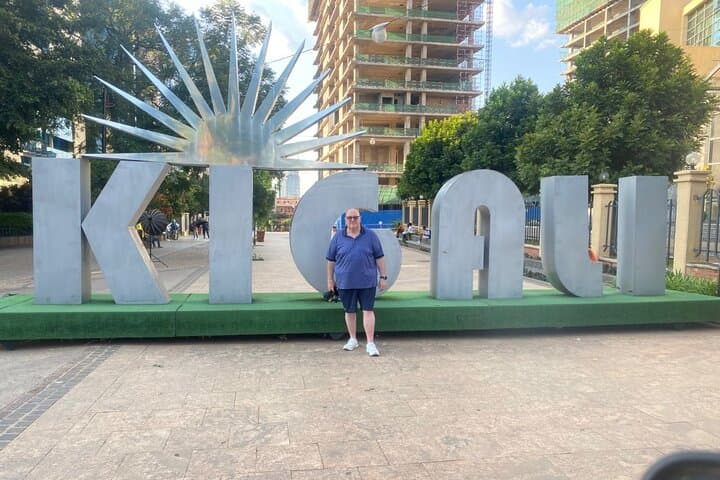
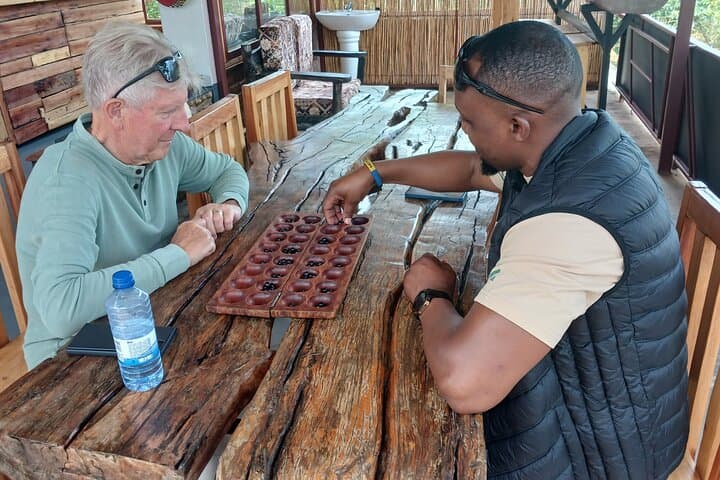
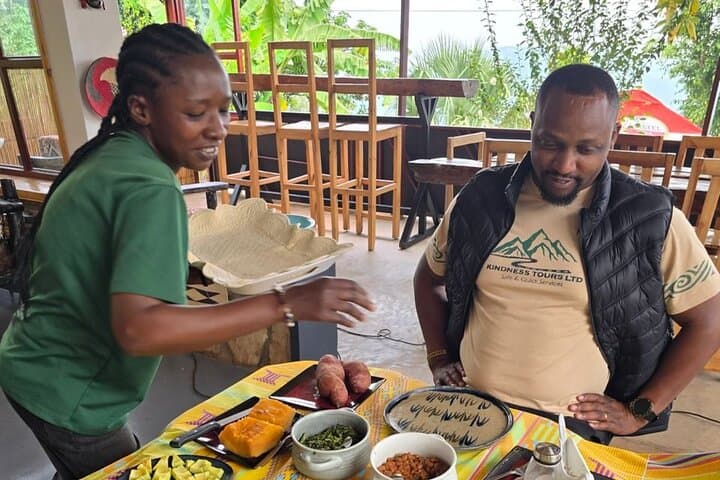
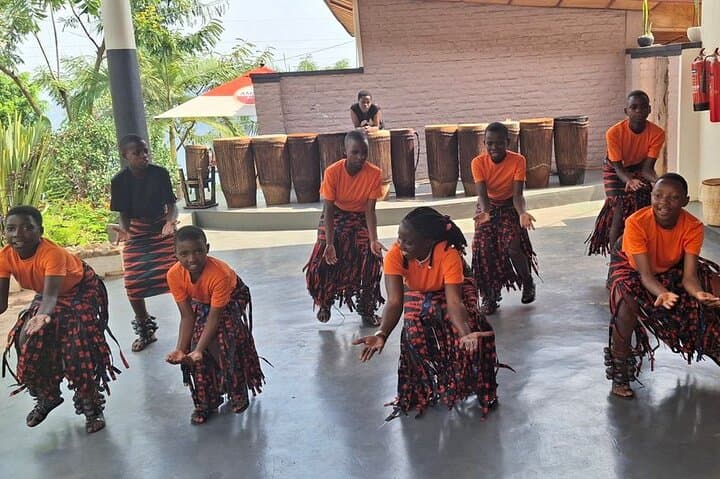
You step from an air-conditioned vehicle into Kigali’s warm, hilly morning — streets climbing like the ribs of the city, market calls threading through eucalyptus-scented air. The tour moves between solemn quiet and bright life: a shaded lane at the Genocide Memorial; colorful stalls at Kimironko; a restored wetland where reed-lined channels dare you to slow down and listen.
You step from an air-conditioned vehicle into Kigali’s warm, hilly morning — streets climbing like the ribs of the city, market calls threading through eucalyptus-scented air. The tour moves between solemn quiet and bright life: a shaded lane at the Genocide Memorial; colorful stalls at Kimironko; a restored wetland where reed-lined channels dare you to slow down and listen.
Kigali’s story is recent and layered. Kandt House traces colonial geology and early natural history, while the Genocide Memorial anchors the city’s work of remembrance and reconciliation. The urban landscape is volcanic in origin — rounded hills of laterite and uplifted lakebeds — which shapes the city’s viewpoints and walking gradients.
Culture surfaces in galleries and community centers: Niyo Art and Nyamirambo Women’s Center blend contemporary creativity with social enterprise. Evenings concentrate around Biryogo’s car-free food street, where brochettes and pilau meet mural-backed chatter.
Practical guidance: the route is low-impact walking between sites with vehicle transfers; expect periods of standing in museums and short uphill walks to viewpoints. Bring comfortable shoes, a light rain layer for afternoon showers (Rwanda’s rains can appear suddenly), a refillable water bottle, and modest clothing for memorial visits. Plan 1 full day to cover core memorials, markets, and a gallery; allow two days to add Nyandungu wetland birding and a community walk in Nyamirambo.
Local guides translate history into context, keeping logistics simple and conversations candid. For a first-time visitor, this tour balances essential reflection with approachable, modern city life — Kigali asks you to look, learn, and walk at its rhythm.