THE ADVENTURE COLLECTIVE® · Independent discovery and booking for outdoor travel

Walk the lantern-lined steps to Kifune Shrine and try the rare mizu-ura water-fortune ritual on a 90-minute guided tour from Kyoto. This intimate experience focuses on nature, ritual, and quiet local history—ideal for travelers seeking meaning beyond photos.
Walk the lantern-lined steps to Kifune Shrine and try the rare mizu-ura water-fortune ritual on a 90-minute guided tour from Kyoto. This intimate experience focuses on nature, ritual, and quiet local history—ideal for travelers seeking meaning beyond photos.
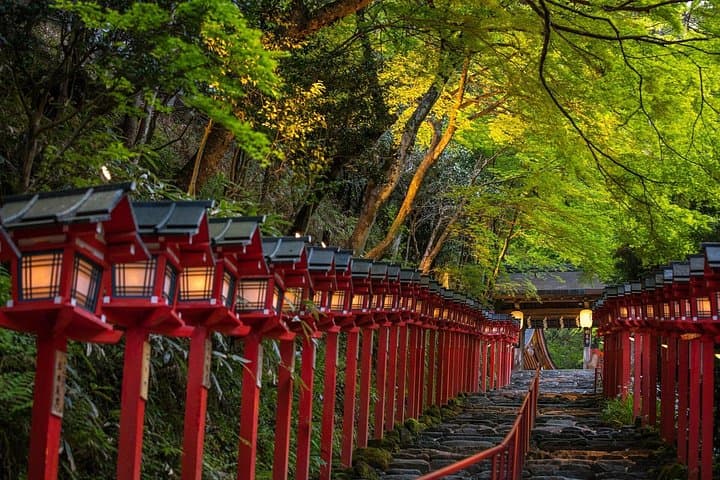
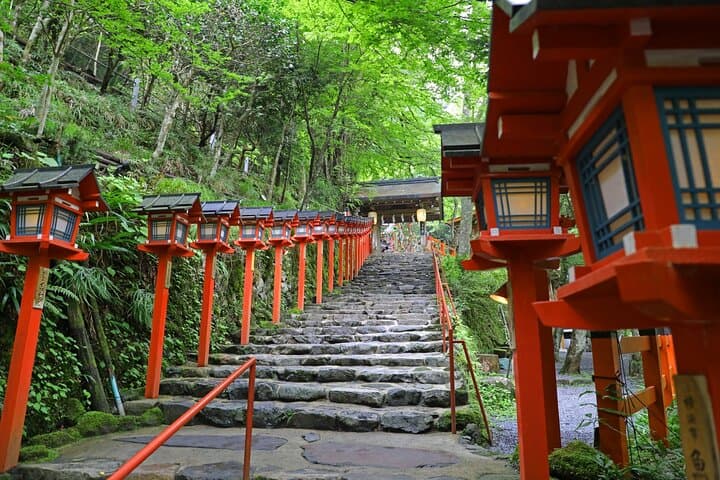
The path begins under a canopy of cedar trunks; red lanterns punctuate the dim as the Kifune River murmurs beside you, daring quiet footsteps. On this guided walk from Kyoto, visitors descend stone steps that funnel toward a shrine where water is both a deity and a daily presence — the air carries a mineral coolness and the distant clack of wooden ema.
Verified experiences and guided adventures in the surrounding area.
Operated by DeepExperience · Kyoto, Kyoto Prefecture
The path begins under a canopy of cedar trunks; red lanterns punctuate the dim as the Kifune River murmurs beside you, daring quiet footsteps. On this guided walk from Kyoto, visitors descend stone steps that funnel toward a shrine where water is both a deity and a daily presence — the air carries a mineral coolness and the distant clack of wooden ema.
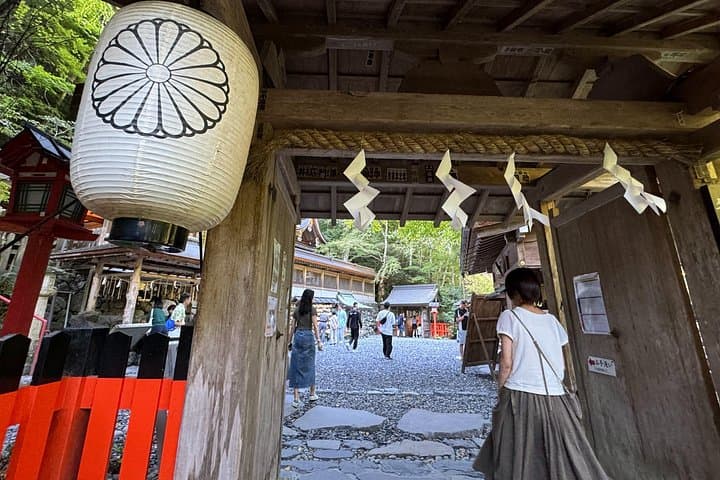
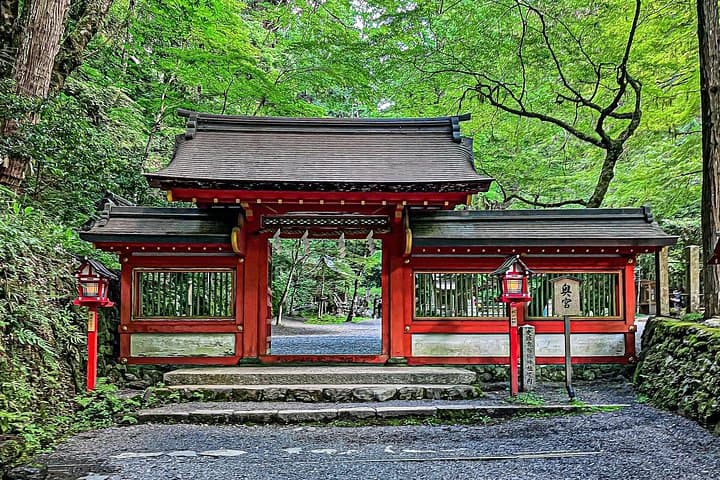
Kifune Shrine has welcomed pilgrims for more than 1,300 years as a center for prayers for rain and matchmaking. Geologically, the site sits on granite and volcanic soils that shape narrow river valleys and steep, forested slopes, channeling clear springs into the shrine’s sacred pools. Culturally, the shrine’s red gates and lanterns reflect Shinto ritual aesthetics; the mizu-ura water-fortune — where paper reveals a message when placed in spring water — is an old local practice that remains surprisingly intimate.
Expect a slow, sensory-paced tour: mossed stone, the smell of wet cedar, and the small bustle of riverside teahouses. The guide will explain shrine etiquette, the symbolism of water worship, and local stories tied to matchmaking and seasonal festivals.
Practical notes: the route involves stairs and uneven surfaces but is suitable for most walkers; plan for rain in summer and slick stones in cooler months. Wear sturdy shoes, carry a compact umbrella or rain shell, and bring cash for shrine offerings and teahouse snacks. Aim for morning or late afternoon to avoid crowds and to catch lantern light or soft river shadows.
easy.
1.5 hours.
Suitable for most fitness levels; able to negotiate stairs and short uphill sections.
Take the Eizan Railway to Kibune-guchi or a short taxi from Kurama; public transport options connect from Kyoto and the guide can advise exact routes.
Yes; the guided tour includes a chance to try the mizu-ura ritual at the shrine’s sacred spring.
Generally yes—it's classified as easy—but there are stairs and uneven surfaces, so mobility limitations should be considered.
Tours are often offered in English with a local guide; confirm language availability at booking if you need another language.
Kifune Shrine has been a water-worship site for over 1,300 years, historically visited by farmers and aristocrats seeking rain and protection.
Visitors are asked to stay on marked paths, avoid leaving offerings in the river, and minimize noise to protect sensitive moss and stream habitats.
DeepExperience operates guided outdoor trips and adventures with an emphasis on safety, stewardship, and memorable experiences.
The path begins under a canopy of cedar trunks; red lanterns punctuate the dim as the Kifune River murmurs beside you, daring quiet footsteps. On this guided walk from Kyoto, visitors descend stone steps that funnel toward a shrine where water is both a deity and a daily presence — the air carries a mineral coolness and the distant clack of wooden ema.
The path begins under a canopy of cedar trunks; red lanterns punctuate the dim as the Kifune River murmurs beside you, daring quiet footsteps. On this guided walk from Kyoto, visitors descend stone steps that funnel toward a shrine where water is both a deity and a daily presence — the air carries a mineral coolness and the distant clack of wooden ema.
Kifune Shrine has welcomed pilgrims for more than 1,300 years as a center for prayers for rain and matchmaking. Geologically, the site sits on granite and volcanic soils that shape narrow river valleys and steep, forested slopes, channeling clear springs into the shrine’s sacred pools. Culturally, the shrine’s red gates and lanterns reflect Shinto ritual aesthetics; the mizu-ura water-fortune — where paper reveals a message when placed in spring water — is an old local practice that remains surprisingly intimate.
Expect a slow, sensory-paced tour: mossed stone, the smell of wet cedar, and the small bustle of riverside teahouses. The guide will explain shrine etiquette, the symbolism of water worship, and local stories tied to matchmaking and seasonal festivals.
Practical notes: the route involves stairs and uneven surfaces but is suitable for most walkers; plan for rain in summer and slick stones in cooler months. Wear sturdy shoes, carry a compact umbrella or rain shell, and bring cash for shrine offerings and teahouse snacks. Aim for morning or late afternoon to avoid crowds and to catch lantern light or soft river shadows.