THE ADVENTURE COLLECTIVE® · Independent discovery and booking for outdoor travel

Inside KidZania Seoul, children step into careers—earning and spending a toy currency while trying on adult roles from firefighter to TV anchor. This practical guide explains what to expect, how sessions work, and tips to make the visit run smoothly.
Inside KidZania Seoul, children step into careers—earning and spending a toy currency while trying on adult roles from firefighter to TV anchor. This practical guide explains what to expect, how sessions work, and tips to make the visit run smoothly.
The lobby hums with small footsteps and the metallic click of miniature stethoscopes as children queue to tag their wristbands and claim their first shift. Inside KidZania Seoul, a scaled-down city takes on the authority of adulthood: miniature fire trucks wait at a painted station, a newsroom broadcasts a child's voice, and a tiny airplane cabin trains future flight attendants.
Verified experiences and guided adventures in the surrounding area.
Operated by SEOUL PASS · Seoul, Seoul
The lobby hums with small footsteps and the metallic click of miniature stethoscopes as children queue to tag their wristbands and claim their first shift. Inside KidZania Seoul, a scaled-down city takes on the authority of adulthood: miniature fire trucks wait at a painted station, a newsroom broadcasts a child's voice, and a tiny airplane cabin trains future flight attendants.
KidZania began as an international concept that turns work into play; Seoul’s location sits within the commercial spine of Jamsil near Lotte World and Seokchon Lake, an area reshaped by late-20th-century urban development. The complex is modern concrete and glass—no geology to explore here—yet local culture filters through in language, safety standards, and the emphasis on group learning and economic play using “Kidzo.”
Expect most interactions to run in Korean; supervisors manage every station and experiences are designed to be child-led with guardian observation from behind glass. The core educational draw is economic literacy—kids earn Kidzo, budget, and spend—while the park reinforces safety, role responsibility, and teamwork.
Practical guidance: choose the session that matches your child’s endurance (1–5 hour options), arrive early to redeem tickets at the group counter, and bring ID if a child aged 10+ will enter unaccompanied. Closed-toe shoes are required for several activities and food is prohibited; use locker or bag checks as needed. For a smooth visit, map a short list of “must-do” stations, set a Kidzo budget with your child, and plan to watch from the designated viewing areas so experiences remain child-centered.
easy.
1–4 hours.
Suitable for typical family mobility and children; minimal physical exertion required
Children under 36 months enter free but cannot participate in work experiences; guardians must accompany children unless the child is 10 or older and presents ID to enter independently.
Most experiences are conducted in Korean only; supervision and signage are Korean, so non-Korean speakers may need a guardian translator.
Bringing food is prohibited. Strollers are accessible and infants can ride in prams, but some activity areas restrict stroller access for safety.
There are two session blocks (morning/afternoon) with specific redemption windows—arrive during the stated ticket redemption time listed on your reservation to guarantee entry.
KidZania is a global edutainment brand that applies role-play to teach labor and money concepts; Seoul’s facility sits in Jamsil, a district transformed by late 20th–21st century commercial projects like Lotte World and Seokchon Lake development.
The venue enforces strict waste and safety protocols; visitors should respect no-food rules and use provided bins to minimize litter in adjacent parks and the indoor complex.
SEOUL PASS operates guided outdoor trips and adventures with an emphasis on safety, stewardship, and memorable experiences.

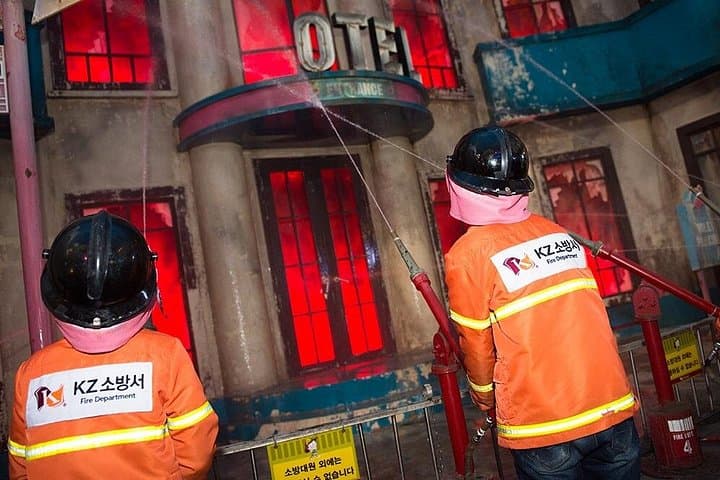
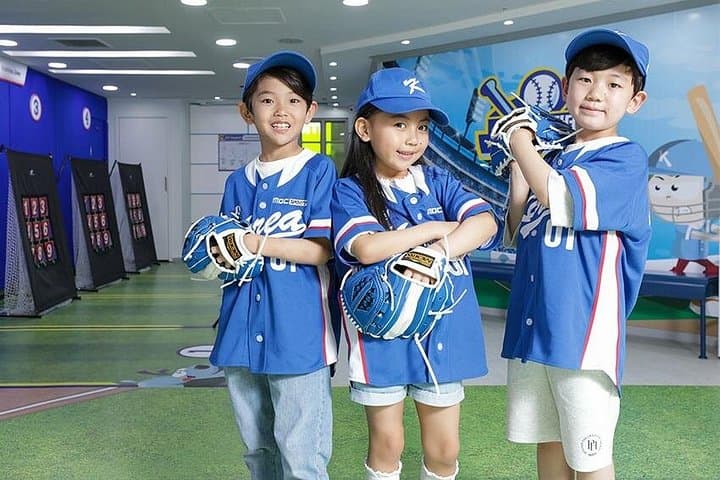
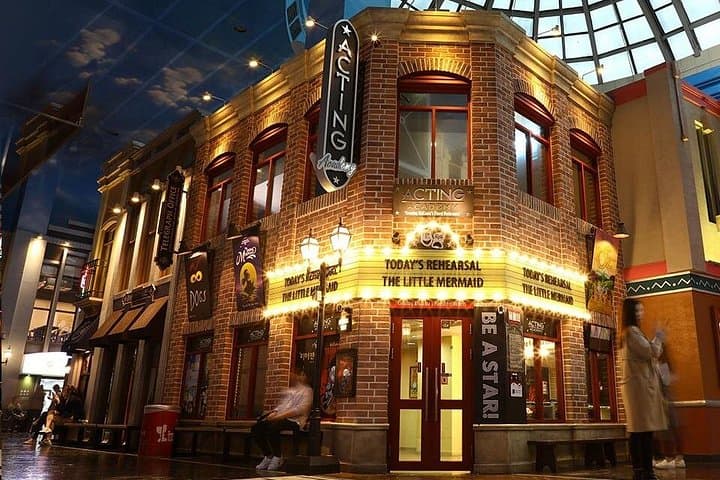
The lobby hums with small footsteps and the metallic click of miniature stethoscopes as children queue to tag their wristbands and claim their first shift. Inside KidZania Seoul, a scaled-down city takes on the authority of adulthood: miniature fire trucks wait at a painted station, a newsroom broadcasts a child's voice, and a tiny airplane cabin trains future flight attendants.
The lobby hums with small footsteps and the metallic click of miniature stethoscopes as children queue to tag their wristbands and claim their first shift. Inside KidZania Seoul, a scaled-down city takes on the authority of adulthood: miniature fire trucks wait at a painted station, a newsroom broadcasts a child's voice, and a tiny airplane cabin trains future flight attendants.
KidZania began as an international concept that turns work into play; Seoul’s location sits within the commercial spine of Jamsil near Lotte World and Seokchon Lake, an area reshaped by late-20th-century urban development. The complex is modern concrete and glass—no geology to explore here—yet local culture filters through in language, safety standards, and the emphasis on group learning and economic play using “Kidzo.”
Expect most interactions to run in Korean; supervisors manage every station and experiences are designed to be child-led with guardian observation from behind glass. The core educational draw is economic literacy—kids earn Kidzo, budget, and spend—while the park reinforces safety, role responsibility, and teamwork.
Practical guidance: choose the session that matches your child’s endurance (1–5 hour options), arrive early to redeem tickets at the group counter, and bring ID if a child aged 10+ will enter unaccompanied. Closed-toe shoes are required for several activities and food is prohibited; use locker or bag checks as needed. For a smooth visit, map a short list of “must-do” stations, set a Kidzo budget with your child, and plan to watch from the designated viewing areas so experiences remain child-centered.