THE ADVENTURE COLLECTIVE® · Independent discovery and booking for outdoor travel

Turn Tate Modern into a hands-on family adventure with a two-hour private tour designed for kids. Expect storytelling, short gallery stops, and activities that make modern art approachable for all ages.
Turn Tate Modern into a hands-on family adventure with a two-hour private tour designed for kids. Expect storytelling, short gallery stops, and activities that make modern art approachable for all ages.
You step through the wide industrial doors of a former power station and the space exhales—cool concrete, high ceilings, and a hush that makes even small voices listen. Children press their faces to canvases and sculptures; a guide threads stories through surreal scenes and bold pop colors, turning the Tate Modern into a place of discovery rather than a checklist.
Verified experiences and guided adventures in the surrounding area.
Operated by Tour with Kids · London, England
You step through the wide industrial doors of a former power station and the space exhales—cool concrete, high ceilings, and a hush that makes even small voices listen. Children press their faces to canvases and sculptures; a guide threads stories through surreal scenes and bold pop colors, turning the Tate Modern into a place of discovery rather than a checklist.
Housed in Giles Gilbert Scott’s Bankside Power Station, the Tate Modern transformed industrial architecture into one of the world’s most visited modern art museums. The building’s raw brick and turbine hall are as much part of the visit as the works of Dalí, Rothko, Warhol, and contemporary installations that challenge scale and perception. The river outside nudges the gallery—a vivid reminder of London’s working past and cultural present.
Culturally, the museum reflects the arc of 20th- and 21st-century art: from surrealism’s dream logic to pop art’s commentary on consumer life. For families, this means stories, simple interpretive prompts, and hands-on activities that make complex ideas accessible.
Practically, the two-hour private tour focuses on engagement: short gallery stops, age-appropriate language, and interactive prompts that encourage sketching, listening, and observation. Arrival by public transport to Southwark or Blackfriars is straightforward; the building is wheelchair- and stroller-accessible. Bring a small sketchbook, allow 10–15 minutes at the turbine hall for a sensory reset, and time your visit to avoid school drop-offs and late-afternoon crowds. With a guide who frames art as a game and questions as tools, a visit to the Tate Modern becomes a family conversation that lasts long after the gallery lights dim.
easy.
2 hours.
Suitable for all fitness levels; mostly standing and short walking between galleries
Yes—the private guided tour includes admission to the Tate Modern as part of the booking.
Yes—the route and activities are stroller-accessible and guides tailor content for different ages, including toddlers.
Meeting typically takes place at the Tate Modern main entrance on Bankside; your confirmation will list an exact meeting point and time.
Yes—guides can adapt pacing, content, and sensory considerations when notified of special requirements during booking.
The Tate Modern occupies the converted Bankside Power Station; its 2000 reopening repurposed industrial space to house the national collection of international modern and contemporary art.
The Tate runs sustainability initiatives for exhibitions and building management and emphasizes accessibility and responsible use of galleries—visitors are encouraged to minimize waste and follow site guidelines.
Tour with Kids operates guided outdoor trips and adventures with an emphasis on safety, stewardship, and memorable experiences.
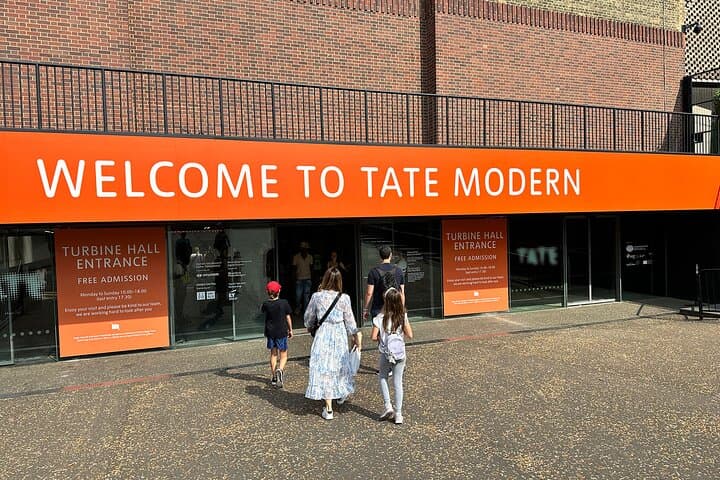
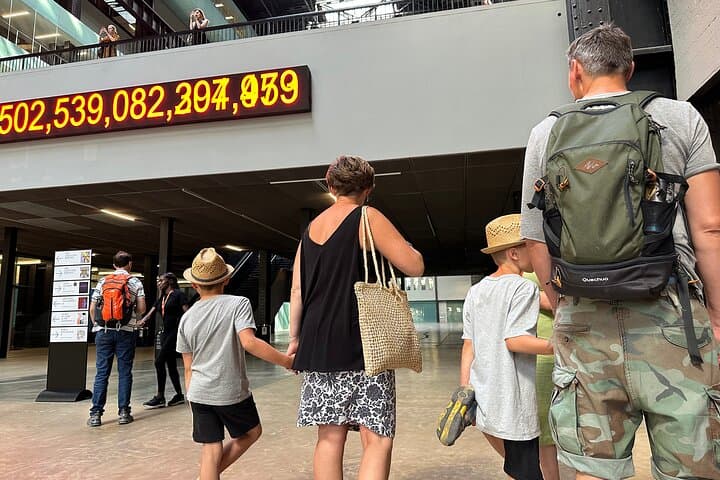
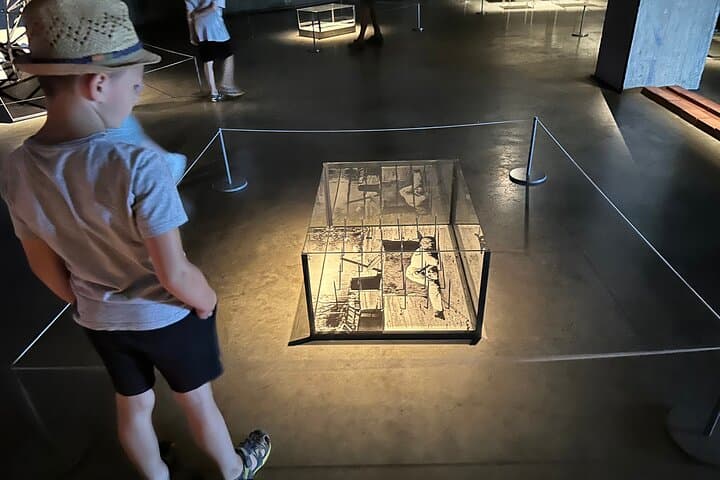
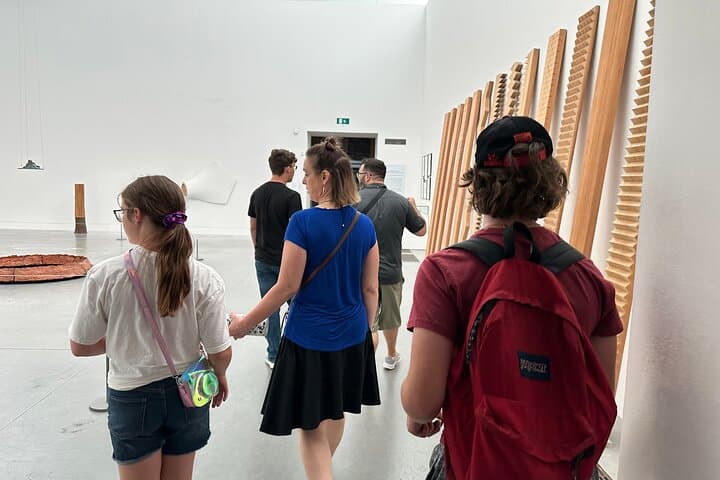
You step through the wide industrial doors of a former power station and the space exhales—cool concrete, high ceilings, and a hush that makes even small voices listen. Children press their faces to canvases and sculptures; a guide threads stories through surreal scenes and bold pop colors, turning the Tate Modern into a place of discovery rather than a checklist.
You step through the wide industrial doors of a former power station and the space exhales—cool concrete, high ceilings, and a hush that makes even small voices listen. Children press their faces to canvases and sculptures; a guide threads stories through surreal scenes and bold pop colors, turning the Tate Modern into a place of discovery rather than a checklist.
Housed in Giles Gilbert Scott’s Bankside Power Station, the Tate Modern transformed industrial architecture into one of the world’s most visited modern art museums. The building’s raw brick and turbine hall are as much part of the visit as the works of Dalí, Rothko, Warhol, and contemporary installations that challenge scale and perception. The river outside nudges the gallery—a vivid reminder of London’s working past and cultural present.
Culturally, the museum reflects the arc of 20th- and 21st-century art: from surrealism’s dream logic to pop art’s commentary on consumer life. For families, this means stories, simple interpretive prompts, and hands-on activities that make complex ideas accessible.
Practically, the two-hour private tour focuses on engagement: short gallery stops, age-appropriate language, and interactive prompts that encourage sketching, listening, and observation. Arrival by public transport to Southwark or Blackfriars is straightforward; the building is wheelchair- and stroller-accessible. Bring a small sketchbook, allow 10–15 minutes at the turbine hall for a sensory reset, and time your visit to avoid school drop-offs and late-afternoon crowds. With a guide who frames art as a game and questions as tools, a visit to the Tate Modern becomes a family conversation that lasts long after the gallery lights dim.