THE ADVENTURE COLLECTIVE® · Independent discovery and booking for outdoor travel

Cycle quiet country roads on the Kibi route, visit a five-story pagoda and ancient kofun, then taste two local ramen bowls served in small family shops. This guided private tour blends easy cycling with regional history and authentic food experiences.
Cycle quiet country roads on the Kibi route, visit a five-story pagoda and ancient kofun, then taste two local ramen bowls served in small family shops. This guided private tour blends easy cycling with regional history and authentic food experiences.
The road opens like a quiet invitation: narrow asphalt running between raised rice paddies, wind sketching ripples across the water as herons quarter the fields. Cyclists set off from Soja JR station on lightweight rental bikes, pedaling through the low, undulating plain of the Kibi region where fields, temples and burial mounds mark human time against a slow, patient landscape.
Verified experiences and guided adventures in the surrounding area.
Operated by KIBI Fun Experience Tours · Soja, Okayama Prefecture
The road opens like a quiet invitation: narrow asphalt running between raised rice paddies, wind sketching ripples across the water as herons quarter the fields. Cyclists set off from Soja JR station on lightweight rental bikes, pedaling through the low, undulating plain of the Kibi region where fields, temples and burial mounds mark human time against a slow, patient landscape.
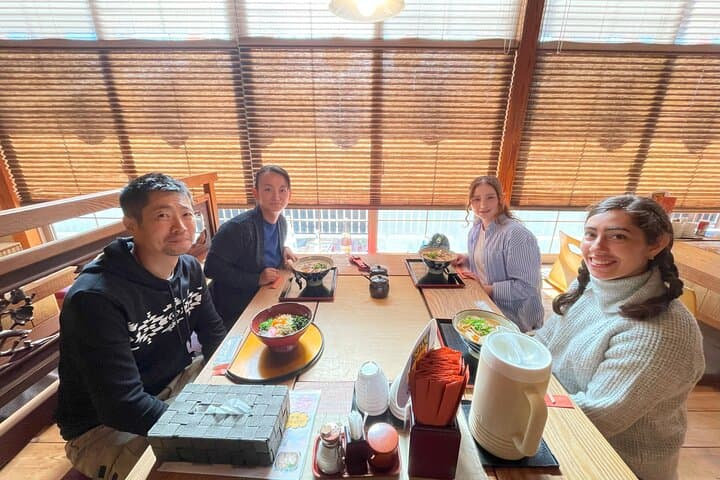
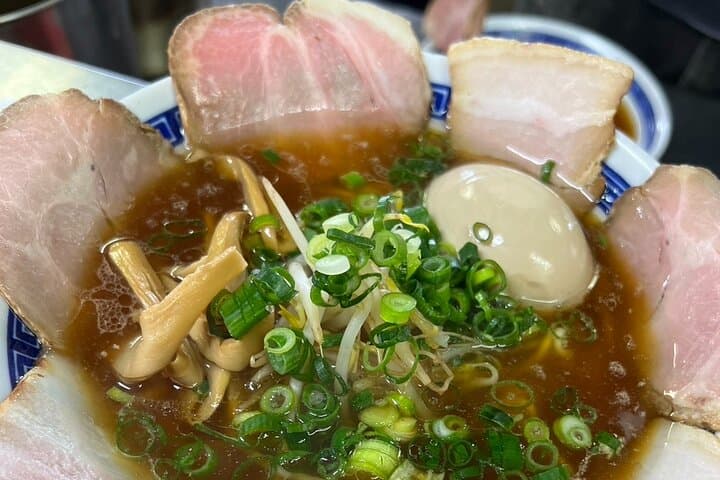
This route threads history and everyday life. Riders visit Bitchu Kokubunji, famous for its five-story pagoda, and the nearby Komorizuka kofun—ancient burial mounds that reveal Kibi’s role in early Japanese provincial culture. Geologically the plain is alluvial: flat land shaped by rivers and sediment, ideal for rice cultivation; seasonal skies and peach orchards define the rural rhythm. Local ramen shops concentrate regional tastes—pork-based broths and soy-forward bowls that reflect Okayama’s simple, ingredient-driven food culture.
Practical guidance follows the story. The tour lasts about 3.5 hours with two main segments: roughly 90 minutes of relaxed cycling and 90 minutes sampling ramen at two shops. Roads are low-traffic but narrow; expect short paved stretches and gentle climbs under 50 meters of elevation change. Guides are nationally licensed and provide English explanations of sites, safety briefings and bike fit. Bring cash (many small shops prefer it), a filled water bottle, a lightweight jacket for coastal breezes, and comfortable pedals or shoes. Start mid-morning to avoid the hottest hours in summer and to catch markets and shops while they’re open. The experience pairs cultural context with accessible cycling: steady paces, frequent stops and a clear route back to Soja station.
easy.
3–4 hours.
Suitable for riders with light to moderate fitness; no racing pace required, mostly flat with short bursts of pedaling
The meet-up point is Soja JR station; the tour loops through the Kibi road and finishes back at Soja station (pickup from Kurashiki can be arranged if booked).
No advanced skill is required; the ride is on paved, low-traffic rural roads and paced for general fitness levels—basic bike handling is sufficient.
Yes, rental bicycles and a guide are included; guests can bring their own helmet or use provided ones—specify sizes at booking.
Guides can advise shops and suggest vegetable or pork-free options, but bring allergies to the operator in advance so they can coordinate with local restaurants.
The Kibi region preserves traces of ancient provincial life—kofun burial mounds and historic temples like Bitchu Kokubunji reflect centuries of local governance and religious practice.
Stick to paved roads and established paths, avoid entering irrigation channels or trampling paddy banks, and support small businesses to sustain local economies.
KIBI Fun Experience Tours operates guided outdoor trips and adventures with an emphasis on safety, stewardship, and memorable experiences.
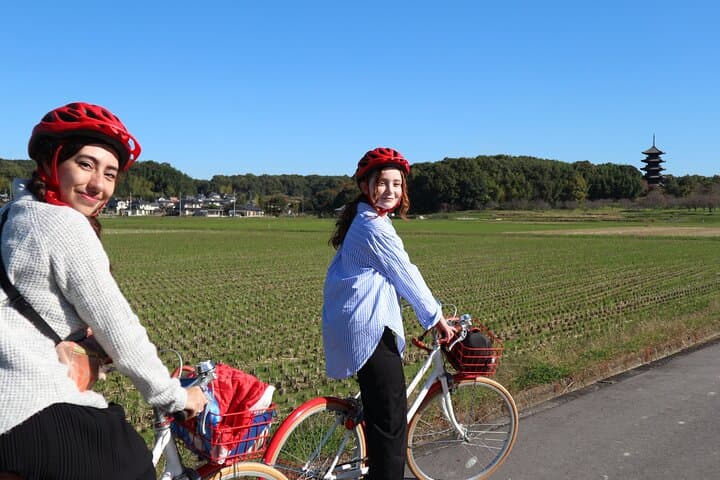
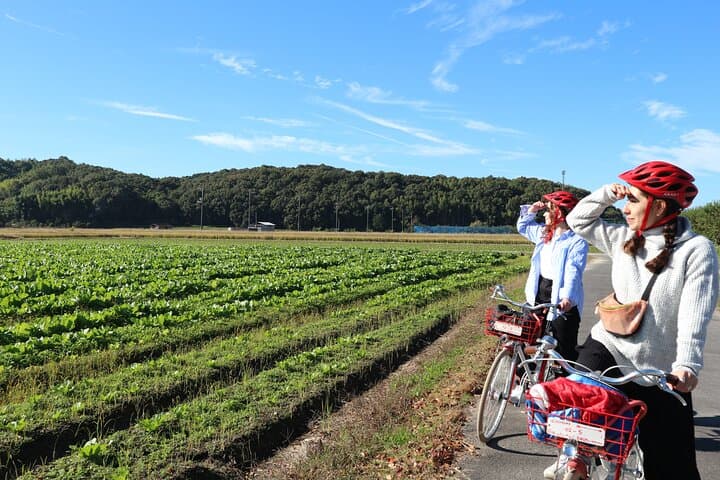
The road opens like a quiet invitation: narrow asphalt running between raised rice paddies, wind sketching ripples across the water as herons quarter the fields. Cyclists set off from Soja JR station on lightweight rental bikes, pedaling through the low, undulating plain of the Kibi region where fields, temples and burial mounds mark human time against a slow, patient landscape.
The road opens like a quiet invitation: narrow asphalt running between raised rice paddies, wind sketching ripples across the water as herons quarter the fields. Cyclists set off from Soja JR station on lightweight rental bikes, pedaling through the low, undulating plain of the Kibi region where fields, temples and burial mounds mark human time against a slow, patient landscape.
This route threads history and everyday life. Riders visit Bitchu Kokubunji, famous for its five-story pagoda, and the nearby Komorizuka kofun—ancient burial mounds that reveal Kibi’s role in early Japanese provincial culture. Geologically the plain is alluvial: flat land shaped by rivers and sediment, ideal for rice cultivation; seasonal skies and peach orchards define the rural rhythm. Local ramen shops concentrate regional tastes—pork-based broths and soy-forward bowls that reflect Okayama’s simple, ingredient-driven food culture.
Practical guidance follows the story. The tour lasts about 3.5 hours with two main segments: roughly 90 minutes of relaxed cycling and 90 minutes sampling ramen at two shops. Roads are low-traffic but narrow; expect short paved stretches and gentle climbs under 50 meters of elevation change. Guides are nationally licensed and provide English explanations of sites, safety briefings and bike fit. Bring cash (many small shops prefer it), a filled water bottle, a lightweight jacket for coastal breezes, and comfortable pedals or shoes. Start mid-morning to avoid the hottest hours in summer and to catch markets and shops while they’re open. The experience pairs cultural context with accessible cycling: steady paces, frequent stops and a clear route back to Soja station.